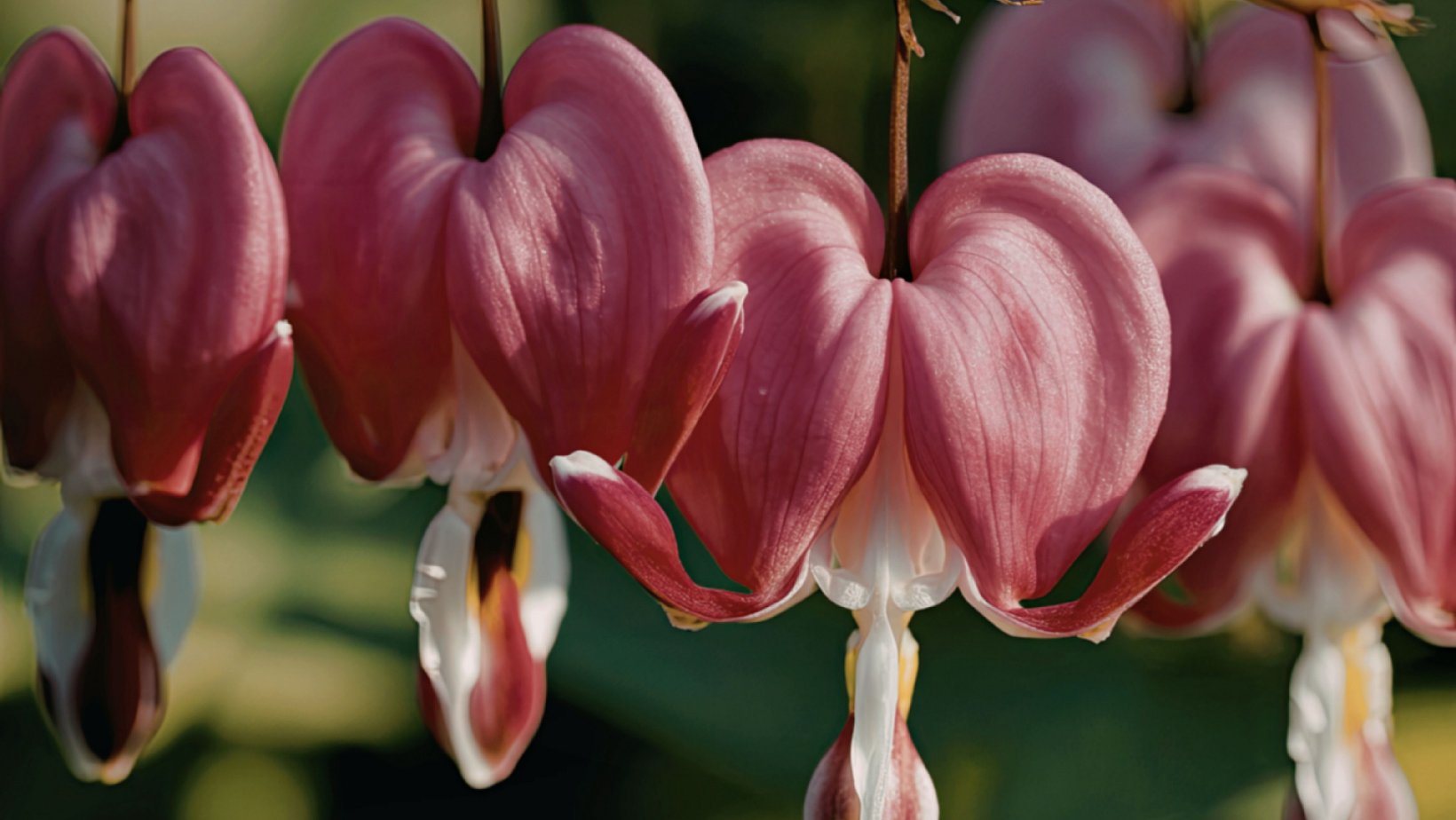
Body Compass is based on the paradigm that those things we all seek- belonging, safety, connection, enoughness, fulfillment, and vitality- are all things best sought through the pathway lit by our bodies. Noticing the sensorial cues of that which our bodies move towards and what it moves away from gives a beautiful and rich map that leads straight to vitality and fulfillment. Our bodies are our compass, showing each twist and turn we must take to continue to follow the path to our most authentic life. In functional or dysfunctional ways, all of our actions are with this aim- each choice we make fueled by the earnest effort to find safety, belonging, and vitality (even those that seem quite to the contrary). So why are we not finding these things? We all have such a human need for safety, belonging, and to feel aliveness, that sometimes the flame of longing for these things gets snuffed out by its own intensity. For fear of never achieving them, we are governed by chronic and inappropriate nervous system responses to perceived threat, governed by fears of the future and a lack of trust in the present, controlled by body image issues and perceptions that our physical self just doesn’t look right. So how do we make this switch? The switch From—> being at war with our body, its unpredictability, inability to be controlled, its insistence to form itself into shapes we don’t like, and its need to run away from situations that would be better resolved by staying and remaining calm —>TO seeing our bodies as beautiful instruments, and the best equipped tools to craft our perfect lives. Desire is nature’s most ingenious trick. Like a flower moves to the sun, we are so meant to orient ourselves to that which gives us most life and nourishment. Our bodies are perfectly calibrated to face what is most life-giving, and to turn away from that which is not. Following our bodily sensation and our deepest embodied desire with each and every choice we make, is a slow and steady practice that builds, block by block, the life you truly want.So, what in the world does this have to do with sex? The relationship people have to their sexuality is a potent example of their relationship to desire, fulfillment, and satiation on a larger scale. How we touch our bodies and how we allow others to touch our bodies speaks to how comfortable we are feeling desire and allowing that desire to take up space in the world. It speaks to how bold we can be in noticing what we want, seeing its value, and communicating it to those around us, and following it in the actions we take ourselves. Your relationship to sex is the same relationship you have to your ability to allow your body to go towards what it wants, to allow it to turn to the sun. Pleasure is: the body sensations we receive when we allow ourselves to move towards those things.Sex is the site of a nerve bundle of the things keeping us from living a pleasure-oriented life. In sex we find shame, numbness, misinformation, automatic nervous system responses, trauma, fear, avoidance, pain, confusion, doubt. We also find a physical site of the body where the most nerves are housed, the area of the body in which new life is formed and birthed, intensity of sensation unmatched elsewhere. We find a fountain of great pleasure- a locus of resource, able to be stretched as large as you need. We find infinite capacity for closeness with another, a place where we can feel completely held and cherished, a place where our inner child can rest and feel safe because it is me the other is here to see. In sex we find our ever-present need for touch satisfied, the need to be reminded that we are corporeal, predicated, real and exist firmly in this great big world. We can find love, safety, belonging, expansion, and fulfillment. Sex can be the scene for great transformation, healing, and beautiful soil for a continuous tangible sense of safety in our lives, even in the most challenging of experiences.
Nicole card
Previous
Previous
spiderwebs and lace
Curious if this work is right for you?
Book a free 30-minute call — no pressure, no commitment.
Click here to listen on SpotifyEpisode Description You love him—and something ancient in your body is still tired. You can feel that what you’re carrying in your relationship is bigger than the two of you, heavier than language, older than this lifetime. In this episode, we open the door to why modern love is awakening ancestral work—and what that means for women standing at the edge of something new.Topics We CoverWhy relationships feel exhausting for womenWhy I feel like I’m doing all the emotional work in my relationshipLoss of intimacy in long-term relationshipsWhy desire disappears in healthy relationshipsEmotional imbalance in heterosexual relationshipsFeeling lonely in a committed relationshipWhy modern relationships feel so hardSearch Tags modern relationships, emotional labor in relationships, relationship exhaustion, women doing emotional work, loss of intimacy, loss of desire in long term relationships, feeling lonely in a relationship, healthy relationship but unhappy, emotional imbalance in relationships, why relationships feel hard, relationship burnout, intimacy issues in couples, modern love struggles, relationship dynamics women🌟🌟Reset Your Erotic Rhythm🌟🌟👉 Explore the Couples CourseA self-guided intimacy journey for rebel lovers who’ve woken up—and are done dragging their unwilling partner behind them. 📲 THIS IS A NEW PODCAST AND WE NEED YOUR HELP! Help This Podcast ThriveIf your body hummed, your brain lit up, or you whispered “WTF yes” during this episode…💌 Don’t keep it to yourself.✨ Download the episode🌱 Leave a review (it’s podcast gold and helps us reach more pleasure-curious weirdos)👯♀️ Send it to that one friend who totally vibes with eco-intimacy, sacred sex, or just needs a little erotic permission slip today.Tag @bodycompass.me if you share—it seriously means the world 💫 🌿 Resources & Links: To work with Nicole 1 to 1: Email bodycompass.me@gmail.com or schedule a free 30 minute consultation with her here. Freebie #1—>Free Erotic Body Reconnection Kit (Previously 3 Best Sexological Bodywork Practices)The 3 most impactful practices from My Erotic Literacy Vault—field tested in sessions, and personally loved by yours truly—to Melt Freeze, Rebuild Trust, and Restore Erotic Aliveness.Free Download | Created by a Certified Sexological Bodyworker® Freebie #2—>Download our ultimate FREE erotic symptom decoder: The DSM-XXX: Desire & Somatics Mythos✨ Our 100+ page reference guide for anyone who’s ever been told their sexuality is dysfunctional—when really, it’s just been misinterpreted. 🌿👉 DOWNLOAD HERE Freebie #3—>Take the Portal Quiz: Your Erotic Survival PatternThe hidden pattern running your pleasure life—and how to burn it to the ground.👉 TAKE THE QUIZ HERE Find me on Insight Timer 💫 𖤓 ૐ 🧘🏻♀️ ✧˖° 🪬 🌿 Go Deeper with Self-Ritual:Reset Your Erotic Rhythm👉 Explore the Couples CourseA self-guided intimacy journey for rebel lovers who’ve woken up—and are done dragging their unwilling partner behind them. Lover, Not Mother: How to Stop Mothering Your Guy in 10 Days👉 Explore the 10 Day Digital ImmersionA relationship upgrade for the woman who is ready to burn it all to the ground if someone else doesn’t start picking up the fckng slack. Contact Nicole directly here—>bodycompass.me@gmail.comTranscript: Okay. In today’s,in today, in today’s episode, we are talking all about how modern relationships are doing deep, deep, ancestral work. If you are listening to this, there’s a good chance you’re inside of a relationship that from the outside, looks fine. Maybe even great. And yet there’s this persistent feeling that something essential keeps slipping just out of reach, and that longing is what we are diving deep into today, where you love him, you’re bonded.There’s history, loyalty, care, and still you find yourself doing things you never consciously agreed to do. Not with yourself, not with him. You’re monitoring his mood, you’re softening your tone before you speak, running a quiet calculus in your body about when and how to bring something up so it doesn’t spiral.You’re noticing how often you’re tracking the emotional weather for both of you. You might feel deeply connected and strangely untouched at the same time, like you’re with someone but not quite met. Like intimacy has become something you manage rather than something you enter and rest into and desire.You didn’t lose it because you stopped loving him. It didn’t disappear because your border broken or secretly uninterested. It went quiet because you’re tired of holding the relational nervous system for two people.And because you’re a self-development goddess, you’re not confused by any part of this. You’re not clueless about any of it because you’ve read the books, you’ve done the work. You can name attachment styles, communication patterns, childhood wounds, you’re emotionally. Super literate. You’re perceptive, thoughtful, which is almost making all of it worse because now you’re left wondering if I understand so much, why does this still feel so empty?And when you go looking for answers, what you find is usually just noise, like and listen noise. One voice tells you to surrender into your feminine. Another says, the problem is polarity or masculine containment or divine feminine magnetism, divine masculine leadership. As if your very real lived relational exhaustion could be solved by performing a different energetic role, and that feels super hollow because you can sense clearly that this isn’t about you not being feminine enough or receptive enough or soft enough.Then you try talking to your friends and their relationship look exactly like yours. They’re good men, decent partnerships, a lot of love and aqui, quiet resignation, that this is just how it is. Maybe the only woman you know who seems genuinely happy is divorced and traveling the world. And even then there’s something lonely around the edges, something unresolved.So the question becomes heavier, more existential. Where does good love actually live? Is there a place where intimacy doesn’t cost this freaking much? And is anyone really doing things differently or are we all just negotiating the same disappointment with better language? And because you’re as intelligent and as intuitive as you are, you’ve probably already sensed this, that the question you’re actually asking isn’t actually about relationship at all.It’s about something bigger. It’s about why love something that matters this much. Something that shapes our entire nervous systems feels so hard to inhabit without disappearing parts of yourself. It’s about why it feels like you are carrying something invisible, something weighty, something unnamed, and it’s about why.Despite all the noise, all the advice, all the suppo supposed answers, nothing quite touches the center of what you are living. That’s what this episode is for. Not to give you another framework to try on, not to tell you what you’re doing wrong, but to name what you’re actually inside of and why it feels the way that it does,and to create a space for you to rest into the truth that modern relationships are doing. Deep ancestral work.All right, let’s get into this. So usually at this pointyou decide the problem is someone, sometimes that someone is you and you start running the internal audit. Maybe I’m not communicating clearly enough. Maybe I need to ask again, but nicer or simpler or with fewer words, or after he’s eaten. You workshop sentences in your head like you’re preparing a TED talk on your own unmet needs, calm, regulated, emotionally fluent, not accusatory, not dramatic, not shutting down a true vocal Olympics event.And then other days it feels much. In other days it feels like the problem is him. You notice how much you are carrying, how often you’re anticipating, reminding, tracking, adjusting. How you’re the one thinking about the relationship as a living thing, while, while he seems vaguely aware that it exists and you swing into that more cynical, sharper inner voice.Why am I the one doing all the work? Why do I care so much more? And why does it feel like I’ve emotionally aged 10 years and he’s. Exactly the same. You might vent to friends. You might binge content that finally says the quiet part out loud about men and emotional labor and relational adulthood. And for a moment it’s relieving because at least now the anger has somewhere to go.But even that doesn’t fully land because deep down, you know, it’s not that simple either. You don’t actually hate him, even if it feels like it sometimes you’re not uninterested in partnership. You are not looking to reduce this to men or trash or women just have to accept less. That frame burns hot, but it burns out fast and you swing again, back to self-reflection, back to therapy language, back to wondering if this attachment stuff or trauma or desire issues or it’s just what happens after the honeymoon phase.You consider therapy again or a workshop, or you briefly consider living alone with a dog and an aggressively beautiful ceramic mug connect collection. All very reasonable responses. And here’s the thing that matters in all of that, the fact that you oscillate between blaming yourself and blaming him doesn’t mean you’re confused or reactive or immature.It means you’re trying to make sense of something that genuinely doesn’t fit inside the explanations you’ve been given, because what you’re actually bumping up against isn’t a personality flaw yours or his. It’s this persistent feeling that intimacy has quietly turned into management. That love requires a level of vigilance.You weren’t told about that. Being good at relationships somehow means endlessly flexible, patient aware, and self-responsible. You often in ways that don’t seem evenly distributed, and because you are sharp, you can feel that every explanation you try on is close, but not quite It. You are not really asking, how do I fix him or how do I fix myself?You’re asking why does love at this level of awareness feel like so much responsibility, so much weight, and so much confusion. Why does closeness feel like labor more than it does nourishment? Why does it seem like I’m evolving and the relationship is struggling to keep up?And no one really has the answers to that that you found because culturally we’re great at talking about romance and pretty terrible at talking about what happens after the women wake up emotionally and before relationships know how to meet them there.The reason why this feels so intense for our generation is because what you are experiencing isn’t just personal, it’s historical, which sounds I dramatic, I know, but stick with me. For most of human history, relationships were built to hold emotional intimacy the way we, for most of human history, relationships weren’t built to hold emotional intimacy the way we expect them to Now.They were built to hold survival, stability, children labor, social standing, maybe companionship if we’re lucky.Love as in emotional attunement, mutual growth. Nervous system level, safety, erotic aliveness, and long-term partnership was not in the job description. That’s a very recent assignment, and here’s where things get spicy. For our generations, women woke up emotionally first, not because we’re better, not because we’re more evolved, but because the world required it.We had to develop emotional awareness to survive inside systems that didn’t protect us. And that harmed us. We had to read rooms, anticipate moods, manage relationships, translate feelings. Emotional intelligence wasn’t a bonus skill, it was a survival one.So now here you are where you have the language, the awareness, you can sense nuance, dynamics, undercurrents. You can feel when something is off long before it becomes a fight. And you’re in a relationship with someone who may be loving decent, well-intentioned, but was never asked to develop those same muscles in the same way.So intimacy becomes asymmetrical where you are not just in the relationship you’re holding it to, you’re tracking it, you’re thinking about it as a living system, and that creates a very specific kind of exhaustion when it you’re doing it alone.This is also why so much advice feels off because it’s either assumes both partners are operating at the same level of emotional development or quietly expects women to keep stretching, softening, adjusting, and being the bigger person. Neither of those actually names. What’s happening, what’s happening is that we are in a relational transition period.Where the old models don’t work anymore, new models haven’t fully landed yet, and relationships are where that tension shows up first.And when you don’t have a map, it’s very easy to assume you’re lost, but you’re not. You’re just early.And here’s the pivot. I want you to really feel in your bodyif you’re multitasking.If you’re driving,if your attention’s somewhere else, I want you to come back to me and truly hear this.What you are experiencing in your relationship isn’t about wanting more. Exactly. It’s about being asked to hold more than one nervous system was ever meant to carry alone. Because when you look honestly at your situation, what’s actually happening is this, you are likely more emotionally literate than the women who came before you.Not because they didn’t care, not because they failed, but because they couldn’t afford to know and act on what you know now. You have language your mother didn’t have or wasn’t allowed to speak. You can sense emotional undercurrents your grandmother had to ignore and you can demand something different.You are aware of tone, pacing, repair, safety, nervous system states, things that were never allowed to be named or let alone prioritized. Just one generation, just a few generations ago.And your partner who may be loving, kind, and trying is still often shaped by older masculine conditioning. That’s the soil he was grown out of. It was conditioning that rewarded stoicism, that trained emotional suppression as strength that never asked men to become fluent and relational interiority. And I think we all assume that we have evolved past this as a society, and I see that we clearly have not.Women are still shocked to see the same problematic dynamics existing in their relationships that they saw in their parents and their grandparents because the truth is relationships haven’t caught up.You are asking for something historically new,and if we zoom out for a second, this starts to make a lot more sense because for most of human history, relationships were about survival, structure, duty, economics, raising children, staying alive. Emotional intimacy was a very distant bonus, but not the foundation. Now we’re asking relationships to do something radically different than we ever have before.We want emotional presence, mutual regulation, erotic aliveness over time, safety and desire. Growth without self abandonment. And here’s the inconvenient truth. Our bodies don’t evolve overnight and neither does the culture.I. And relationships become the pressure point where unprocessed emotional inheritance shows up. Old survival strategies collide with new expectations. Desire collapses under invisible labor. Women become the emotional adults by default.Because remember, for a long time, a woman’s physical safety depended on being partnered. Her financial stability depended on staying. Her social survival depended on not rocking the boat. So emotional attunement wasn’t about intimacy, it was about management. Reading moods wasn’t a relational skill. It was a safety strategy, and softening wasn’t a feminine essence.It was risk mitigation. Suppressing desire wasn’t prudishness, it was protection. If your grandmother learned to stay quiet, it wasn’t because she lacked a voice. It’s because having one could cost her everything. If your mother learned to be competent, responsible, endlessly capable to hold the family together emotionally while minimizing her own needs.That wasn’t martyrdom, that was adaptation.There were wars, economic depressions, limited choices, limited rights, limited exits, and men too were shaped by trauma, scarcity, and emotional shutdown that no, no one ever named women learned to compensate for that shutdown. Not consciously, but somatically. So the relationship itself became the container for unprocessed nervous systems.No one was asking, how does a desire move here? Or is intimacy, is this intimacy mutual? Or what does my body actually want? They were asking, can we survive? Can we keep the family intact? Can we get through this? And that matters because those strategies don’t just disappear when conditions change, they get passed down.They live in posture and tone and the way women still instinctively smooth things over. And the way men still default to emotional containment rather than expression. So even though you now have choice language agency independence, like I said, your body is still carrying wisdom that was forged under very different conditions and exist today.And that’s why this doesn’t feel like a simple mindset shift. Because on a nervous system level, love used to be dangerous. Desire used to be destabilizing. Honesty, used to be risky. Dependence used to be unavoidable. And now very suddenly in historical terms, we’re asking relationships to become places of emotional truth, erotic vitality, mutual presence and nervous system, safe safety.And of course it feels really confusing. Confusing. Of course, there’s friction. Of course, your body feels like it’s running on an old operating system in a new world. You’re not just renegotiating intimacy with your partner, you’re renegotiating your relational emotional inheritance.And your job is actually to complete something, to take the intelligence that once kept women safe and let it evolve into something that can now support, pleasure, choice, and reciprocity. That’s why this work doesn’t feel optional to you. It’s not drama, it’s not dissatisfaction, it’s not being too much.It’s your body recognizing that the conditions have finally changed and asking whether love can change with them. And that’s the moment we’re standing in right now.And moving beyond generations past to the messages we receive about love right now. Uh, we were given just absolutely terrible models of love, like aggressively unhelpful models. We were fed Disney rom-coms, heteronormativity, purity culture, hookup culture, the cool girl archetype, the ride of D myth. The idea that love means endurance, loyalty, and being chosen at all costs.And when you look closely, these stories taught us a very specific curriculum. They taught us how to be chosen, but not how to choose. How to perform inti intimacy, but not how to feel it, and how to be sexually available, but not erotically alive. They trained women to become desirable, flexible, emotionally fluent, low maintenance, and endlessly accommodating.And they trained men often without malice, just omission to stay emotionally contained, outcome oriented, and avoidant of interior complexity.And then in relationship, we end up in a collision of scripts where one person is unconsciously playing caretaker, translator, emotional guide. The other is often playing good guy, provider, not doing anything wrong.And this gap becomes even more accelerated when erotic disconnection starts to come into our relationships and. Oftentimes we’ve inherited this from our culture and our lineage as well. We inherited the nuclear family as an isolated economic unit. The myth of female sexual dysfunction, the loss of communal models of intimacy and partnership.We inherited sex education that was rooted in shame, risk in biology, not connection, consent, or pleasure. We lost rites of passage. We lost elders modeling, relational repair. We lost shared language for desire and boundaries and erot
There is beauty in the most complex of webs. When one thread snaps, the others remain strong, steady pillars amidst the shift. We lace together our strength to form the strongest of webs, and in that web, we find the courage to be soft, authentically us, confronting the world with love, slowness, solidity, and power. With the delicacy of the gossamer that is love and connection, and the strength of millions of small threads coming together to make the thickest of rope, we face the world with the elegance and beauty of lace, in complete and liberating authenticity and eros.
Nicole card
Previous
Previous
taking back the mirror
Next
Next
Why sex?
Curious if this work is right for you?
Book a free 30-minute call — no pressure, no commitment.
My own struggle to body love has been long, confusing, and complex. I remember the moment that it donned on me that my value in (other people’s eyes) rested not only in my intellect, personality, wisdom, and kindness, but also in my image. I was 8 years old. With strong Latin genes, the hair on my legs, lower back, and arms became noticeable before I got my first period. My rite of passage into our troubling definition of womanhood began when my body hair turned from gentle and juvenile peach fuzz to dark-brown, grown-woman-hair. The teasing from the boys started. I went home that day and demanded that I be allowed to use a razor to remove the stains on my body. My mother refused, trying to delay the start of the inevitable journey of body dysmorphia and the resulting contouring, molding, plucking, dying, and shaping I and all of my girlfriends would embark upon soon. Several years passed before I was given access to the almighty razor. The day I was allowed the sweet satisfaction of depilation was the ultimate emancipation from the chains my body had secured around me of embarrassment, difference, and shame. I was finally allowed to shape my body the way I wanted, craft my image the way I saw fit. And my image was to be soft, smooth, and hairless. The ultimate freedom… or so I thought. The hair on my body became a personal foe of mine, my enemy, always trying to outwit my army of razors, wax, bleach, Nair, tweezers, sanding paper, and thread. The life long battle with my body had begun. As the years passed, parts of my body slowly joined in on the battle against me. When I was 12, I learned the correct form my belly was to take after a growth spurt did away with the baby fat that my body had been holding onto for many years due to chronic illness in my childhood. I was congratulated on my weight loss by every friend and adult that saw me. “How in the world did you lose so much weight?” they would ask me. This was the year I learned that ‘weight’ was another one of those magical numbers that factored in to how good you were at being human. I remember it feeling such a foreign concept to me that the physical mass and weight that my body was occupying, measured in pounds and inches, was of any importance at all. I learned quickly, however, that the lower the number, the better, and the less detectable your mid-section, the better people treated you. My diminishing density resulted in intensifying attention, care, compassion, and jealousy, the most valuable currency in the war against the body. I became skilled in eating as little as possible, just enough to keep the pain and fogginess away, and as grew into my teens, I learned that going to the gym enabled me to reach numbers I couldn’t before. As I grew taller, the numbers on the scale shrank and shrank…much to my satisfaction. Everyone congratulated me on my success and self-discipline.By the time I was 21 I had it down to a science. I knew the exact position my legs needed to be in to look as small as possible as they appeared to rest on the chair, the shape in which to place my spine for minimum waistline and maximum bust, the perfect tilting of the head as I sat in thought to appear effortlessly pensive and beatific, the exact speed and shape at which to move my hands as I spoke to lull the men who listened and gazed on into believing that I was divine, with just a touch of sex. I was a work of art. And I was in so much pain. My emotional body hurt… The threads of my confidence felt thinner and thinner as my self-worth was being placed in further and further places from my own body. My relationship to my sexuality suffered, and eventually dissolved into nothing. I didn’t feel pleasure anymore, only satisfaction that I had achieved another goal, another conquest for attention, another coin of jealousy from a girlfriend, another number on the scale. My physical body hurt. I had migraines every single day. I had begun grinding my teeth at night from the stress of treating my body as a means to an end, and the lack of experience being witnessed and loved in my full authentic self. I felt increasingly lonely as a result of treating the women I met as competitors and the men I knew as conquests. My entire being was screaming out for a change, for some part of the true me to be allowed out to see the world, to feel strength, to feel big, to feel pleasure in my life again. I wanted to feel worthy. I wanted to feel like I belonged, to feel welcomed by others. I so desperately wanted authenticity.. to embody it and to witness it all around me. So I ran away to find it. And what I found was sensation. I found pleasure. I found belonging. I found delight in life and in existence. Wonder. I am in awe, constantly, of the vast array of sensation my body is able to produce. That it gifts me every day. I had embarked upon my pleasure journey.
Nicole card
Previous
Previous
Productivity and Creativity- what pleasure and sexuality have to do with business
Next
Next
spiderwebs and lace
Curious if this work is right for you?
Book a free 30-minute call — no pressure, no commitment.
Productivity and Creativity- what pleasure and sexuality have to do with business — Body Compass
Productivity and Creativity- what pleasure and sexuality have to do with business
Recipe
May 14
Written By Nicole card
Productivity and creativity are feuding siblings- similar in makeup but with completely different aims. In seeking achievement in work, most of us have our eyes set on the wrong target. We aim to produce as much as possible, in as little time as possible, creating a laser beam of efficient output. Creating environments of production that are based on efficiency and productivity are sneakily undermining their very purpose. To create things that are new, to find new ways of doing things, to be truly innovative, we need to feel safety, expansiveness, and vitality. This is when our businesses will truly thrive. Creating spaciousness to allow for the spontaneity of generation, growth, and flourishing of new ideas and solutions to old problems allows for true creativity to surface and meaning, fulfillment, and vitality to follow. When we create environments at work that make us feel like we belong, like we are doing a good job, that we are valued because we are alive, environments that foster our joy and pleasure, this is when we are able to access the truly juicy parts of the human experience. This is when we may squeeze the sweetest of creative nectar from every human being, nurturing the most diverse, colorful, and flavorful world to follow. It is when we feel safe that we can play, and only in play can find true curiosity and, subsequently, true creativity. We begin to see the world in news ways, we see solutions to old problems we had never seen before, and we begin creating the world we truly want. We pluck ourselves out of the old monopoly game and start to build, block by block, a world that we truly want. Where is the challenge in this? Why is it so difficult to live a life based on safety, a life oriented to pleasure? Why is it so difficult to trust in our ability to create and be productive in an environment of safety and nurture instead of one of fear and scarcity? Why are most of the methods we employ to make changes in our lives, work, and relationships actually clever mechanisms to cloak and dampen pleasure? Living a pleasure-oriented life is anything but easy. It necessitates that we approach every decision with conviction, confidence, knowing of ourselves, deep respect and love for ourselves, and full trust in our power. It is, arguably, the greatest challenge we will ever face- to valiantly scrutinize every choice we make in all of its complexity, implications, difficulty, and beauty.For once we begin to feel deeply all the aspects of our lives, we begin to demand from ourselves and from our life-pursuits that they feel in accordance with that joy which we know ourselves to be capable of. Our erotic knowledge empowers us, becomes a lens through which we scrutinize all aspects of our existence, forcing us to evaluate those aspects honestly in terms of their relative meaning within our lives. And this is a grave responsibility…-Audre Lorde in Uses of the Erotic: The Erotic as PowerWith pleasure as our guide, and safety as our container, we equip ourselves to fight the beautiful lovemaking battle of vulnerability, nakedness, bone chilling honesty, and infinite possibilities a truly authentic life demands.
Nicole card
Previous
Previous
Vaginismus and Painful Sex
Next
Next
taking back the mirror
Curious if this work is right for you?
Book a free 30-minute call — no pressure, no commitment.
Pain in the vagina/vulva can show up for all kinds of reasons. So many women and female bodied people are experiencing pain in their pelvis, pain in the vagina, pain in the vulva or pain and discomfort in sex. The medical response to this is often to either numb your pleasure center out, or to try to force your way in with dilators or other objects at a pace your body isn’t ready for. The exercises and techniques we are given to access our pelvises again very oftentimes hurt, are hard to maintain, and never get us what we REALLY want—>to feel PLEASURE again in our vaginas. Why does yoni pain occur?Difficulties in pregnancyDisempowerment or trauma experienced during laborInsensitivity to the delicacy of healing in the postpartumYears of having sex when you’re not fully aroused and lubricatedSexual traumaPelvic traumaAbdominal surgery Difficulty in your intimate relationship(s)Hostile or hateful relationship with your menstrual cyclePerimenopause, menopause Pelvic surgery Community and cultural sexual traumaReligious or moral beliefs about sex and sexualityChallenges with body imageCommon Treatments & ApproachesPain in the vagina/vulva is typically managed through a combination of numbing, forceful or harsh manipulation of the muscles, tissues, and ligaments, or through exercises that over-strengthen the pelvic muscles to the point of hypertonicity (adding to the discomfort). Common treatments and approaches include: pelvic floor physical therapylidocaine/numbing creamsdilatorsyears of Kegels/pelvic exercisescouples/sex therapycold compresses or gel packssitz bathall kinds of lubricantsdifferent positionsjust been avoiding sex all together?If you’ve tried these and they didn’t work, you’re not alone. What Can You Do?In the traditional model of solving vaginismus, vulvodynia, painful sex, we get caught up in treating our body as a problem that needs to be solved. We do this so potently and completely that we lose sight of what we are really striving for—to be able to enjoy being in our bodies again, to our absolute fullest. What we REALLY want, is to be able to inhabit our bodies and our pelvises in a way that feels peaceful and pleasurable. The pelvis is our center of gravity not just physically, but emotionally and spiritually. The yoni is our pleasure center, the center of our life force, it is where life is nurtured and born. Our pleasure shows us what is right and wrong, what is nourishing to us and what depletes us. It is in the pelvis that we access the compass of our bodies, and the guide of our pleasure. “I think of the pelvis as the doorway between the upper and lower body. If this is blocked, it is difficult to be one whole piece or soma. Opening through the pelvis lets us rest our weight into gravity and the lower body, making it easier to find and feel the ground…The lower belly and pelvis are the center of gravity in our bodies.” -Staci Haines in The Politics of TraumaSelf Paced HealingThe body opens to what nourishes it, and closes to that which does not serve us. The place this is most potently expressed is in the yoni. Many instances of vaginal pain occur because women have not learned how to read the language of desire constantly being expressed in their yonis. A foundational skill needed to find your way back to pleasure in your pelvis is to learn both the language of blossoming and contraction of your intimate space. My postpartum healing services are perfectly tailored to teach you the fundamental body literacy skills necessary to move with the peak and troughs of the moving and morphing pelvis. In this course you will learn how to nourish the roots of your pelvis so that your body may open to pleasure. This service is for the woman/female bodied person that is: Frustrated after years working under the traditional medical model to solve vaginal pain, and has never gotten results.Feels they’ve never exited the postpartum period in their pelvis.Confused with their new genitals after pregnancy, and the new sensations they experience during sex.Disheartened by the approach taken in gynecological or pelvic floor PT’s office.Tender and unresolved in sexual or pelvic trauma.Numb or hopeless about their lack of libido and desire for sex.
Nicole card
Previous
Previous
My Body, My Pelvis: Empowered Gynecological Care
Next
Next
Productivity and Creativity- what pleasure and sexuality have to do with business
Curious if this work is right for you?
Book a free 30-minute call — no pressure, no commitment.
My Body, My Pelvis: Empowered Gynecological Care — Body Compass
My Body, My Pelvis: Empowered Gynecological Care
Recipe
Jun 29
Written By Nicole card
What is gynecological trauma?Gynecological trauma is an overwhelm of the nervous system when receiving a well woman exam or other gynecological exams or procedures. It is medical “care” that is in any way triggering or maladapted to our real-time needs. It is touch and procedures that go faster than the pace our bodies can handle. Gynecological trauma can feel similar to or the same as sexual trauma or betrayals in intimacy. It takes place in the most vulnerable and delicate parts of the body, in the area of the body most shrouded in shame and guilt, and so we often have a harder time speaking up about our needs when they rest here, in the pelvis. Why does it happen?Trauma at a gynecologist visit happens because of pelvic care that is not trauma informed & not consent based. People of color experience gynecological trauma at a disproportionate rate because of systemic racism/unequal management of treatment based on the color of one’s skin that is still steeped into OBGYN standard of care. One can experience gynecological trauma because of a lack of post-traumatic care (care that is sensitive to a sexual assault history). Trauma is experienced at a women’s health visit because of a bias towards delegitimizing women’s pain, inculcated after hundreds of years of diagnosing women with “hysteria”— “an umbrella term to explain a variety of symptoms that doctors often associated with women: menstrual cramps and bleeding, anxiety, depression, dizziness, insomnia, abdominal pain, loss of appetite, fainting, and more” (not removed from the DSM until 1980) (forbes.com). And It’s even worse for women of color. Gynecological trauma happens because, as women, we are taught in so many ways that our bodies do not belong to us. We are taught not to trust how we feel, that to distance ourselves from our natural hormone cycles is standard. Through a robust and pervasive culture still accepting of and at times celebrating rape, domination, and conquest of land, women’s bodies and sexuality, and nature, we are socialized in many ways to hate our bodies. We are taught that our bodies are a problem to be solved, a constant battle to be won. And, at the same time, we are urged to surrender our bodies to whichever authority is most nearby. We are taught to surrender ourselves to our sexual partners, often feeling confusion as to what we want, to surrender ourselves to the state, allowing laws and legislature to be passed that strip away our freedom, to surrender ourselves to our medical providers, thinking “the doctor knows best”, often never actually considering whether the practices we are being offered (or pressured into) are evidence based or not, or even gets us closer to how we actually wish to experience our bodies. We are socialized into a state of freeze about our bodies. We are molded to dissociate during many instances of touch. We are often cut off from our pleasure because it lives in the body, the place we must not trust. What is the gynecological travesty? The great gynecological travesty is the parody of women’s health that constructs the backbone from which the western medical model of gynecology and obstetrics was built. It is a definition of health built upon domination of the body at large and domination of Woman. It is denial of cyclical living or a life governed by or influenced by nature. It is the debris that remains after the obliteration of women’s holistic health governed long ago by witches, midwives, and healers, and the reactive restructuring of “health”, governed nowadays by doctors, experts, and scientists.This great travesty leaves us with a definition of women’s health that often leaves us no option but to numb out or remove our natural hormone cycles, the building blocks of our emotional body, as a cure-all for many women’s health challenges; Hormonal birth control being prescribed as the first line of defense for nearly every women’s health challenge. How to start getting the care you need:Getting the gynecological care you really need is about educating yourself to your intimate body, knowing what you want, know the roots of the dominant medical system, and creating opportunities for your nervous system to learn how to move from freeze at the doctor’s office to empowered action. This is what my birth and postpartum services are all about. I’ll give you basic skills needed to feel empowered to ask for the care that you need. It is about teaching you how to create the opportunities for you to receive the care that you want, and to start working towards the definition of health that feels right for YOU, that gets you closer to vitality-filled life. This course will start you on your journey to make empowered decisions about your pelvis, whether it be in birth, menstruation, hormone health, postpartum, menopause, or any other domain of women’s health. It’s time we finally start getting the care we really need in women’s health.
Nicole card
Previous
Previous
Why body positive affirmations don’t work.
Next
Next
Vaginismus and Painful Sex
Curious if this work is right for you?
Book a free 30-minute call — no pressure, no commitment.
Why body positive affirmations don’t work. — Body Compass
Why body positive affirmations don’t work.
Wellness
Aug 10
Written By Nicole card
There are so many culs de sac and dead ends along the quest to a self image that feels revitalizing, empowered, and pleasurable. As women, we spend so much of our time and energy trying to find ways just to feel good in our bodies. We are on a never ending hamster wheel chasing youth, vibrance, glow. We run, skip, leap in a desire for perfection, trying everything under the sun:Workout routinesDiets New clothesThat one cream that will finally change the texture and tone of your skinAll forms of contouring- whether it be with bronzer or spandexHair removal (sometimes permanent)Hair dyeFacialsComplex and untested procedures If we are aware enough to poke our heads out from under the endless tsunami waves of societal judgment to see that this isn’t actually an issue of changing your body for the better, but rather changing how you feel about your body now, we may try things like:AffirmationsMirror practicesJournal promptsMeditations.And yet…The negative self talk remains. Maybe with all of this body positive practice you’ve learned how not to stare at yourself in the mirror daily and scrutinize every little thing you see, but the way you’ve learned to avoid this is by not looking at yourself at all. You may no longer be hating your body, but you’re certainly nowhere near loving it. It’s the last thing you think to turn to when you’re feeling overwhelmed, scared, or insecure. I know it can feel like a long journey from where you are all the way to body love, but I can assure you, your body was made to feel pleasure, you were born to love yourself, to provide yourself with everything you need to feel vitality, sensuality, and purpose. We just need to walk along the right path to get there.First, let’s talk about two common ways we are led astray in the quest to body love–changing our bodies to improve self esteem and trying to change our “mindset”. Dead end #1: Why changing your body doesn’t lead to improved self esteemHave you ever realized that the definition of perfection changes over time? What was hot yesterday is not today. Sonya Renee Taylor offers a framework exposing the capitalist track back to our body shame and these ever shifting perfection paradigms, widening our lens far past our individual experience. She points to the matrix of body shame carefully crafted by the money making forces governing so much of our society today:“Relationships with our bodies are social, political, and economic inheritances. The nature of these inheritances has changed over time, the default body morphing and transforming to suit the power structures of the day. We have not always seen fat bodies as less valuable. Throughout periods of human history, we have seen larger bodies not as markers of laziness or ill health but rather as representative of a life of wellness, wealth, and ease—something to aspire to.”-Sonya Renee Taylor inThe Body is Not an ApologyShe calls this conglomerate of social, political, and economic forces driving us towards body hate the Body-Shame Profit Complex (BSPC). Thank you, Ms. Taylor, for giving us a name for this invisible and nasty monster. There is a lot working against us in our journey to body love and it’s all by design. We are supposed to unlock our phones to find sources in abundance of self doubt. It’s what’s driving the billion dollar industry we are satirically calling the “beauty” industry.We don’t have to fall prey to this… ahem… bullshit. There are a lot of ways we can exit this god damn body shame matrix. As women, I think we are all becoming a little disillusioned with the plastic, primped, and plumped self image they keep trying to sell us. We will no longer be fooled. To demonstrate, allow me to quote one of my favorite songs: I know Victoria’s secretAnd, girl, you wouldn’t believeShe’s an old man who lives in OhioMaking money off of girls like meCashin’ in on body issuesSellin’ skin and bones with big boobsI know Victoria’s secretShe was made up by a dude (dude).- Victoria’s Secret by JaxThe prospect of altering our bodies to improve how we feel is sold to us many times over as a quick fix, but the reality is, to change how we feel about our bodies, we are going to have to get real about connecting to our feeling body, our somatic patterning, our access to pleasure, and our embodied experience of moving through the world. There’s even been some research done on how altering our bodies affects our self esteem. They found that out of all participants that received elective surgical alterations to a part of their body, a majority of 89 percent said they were ‘somewhat satisfied’ or ‘extremely satisfied’ with the body part… yet, “they reported no significant changes in self-esteem or in symptoms of depression.” In other words, they didn’t actually feel any better.Changing your body isn’t an effective way to change your self esteem. Not to mention it’s a never ending battle, especially as women with our fluctuating, fluid, morphing bodies. Our bodies change so many times during our lifetime, through our menarche, pregnancy, birth, menopause and even on a monthly basis with our moon cycles. Our bodies are fluid, and they were meant to ebb and flow with the lunar cycle and the changing landscape of our world. We are the creators of life, and our containers need to be malleable to hold the life within. We can be anything we want 💗. Dead end #2: Changing your “mindset” to change your self esteemNow let’s chat about why affirmations, mirror practices, and other “mindset” methods don’t make much of a dent towards body love, at least not in the long term. Trying to tell your body and mind to feel something different when it comes to your body image is a lot like telling a friend in distress that “they will get over it soon” or “it’s not that big of a deal”. Your body has adopted this encoded belief pattern for good reasons… It has brought you safety when you felt there was no other way to get it, belonging when it felt unreachable, and dignity when it seemed like no one had your back. Our mindset about our body is the output of a very, very long production line including our familial history, our cultural roots, societal expectations, physical ailments or impediments that we may have experienced, impactful somatic experiences such as birth or injury… all of which get encoded into how we inhabit our bodies. How we move through the world–our posture, the way we position ourselves in a room, the tone of our voice, whether or not we speak up when something doesn’t feel right, the way you touch people, and the way you touch yourself–these are the building blocks of how we feel about our self image, and they are the perfect entry points to inhabiting your body differently and, ultimately, having different conscious beliefs about who you are and how you look. For you to embody a different set of beliefs, your body needs to feel that it is equally as safe to move through the world in a different way, that you can still feel safe at the center of the room with your forehead held high, and your voice booming as loud as your message requires.To change your mindset, you must work compassionately and lovingly with the body.Just like when you learn to play an instrument, the theory or instruction (mindset work) may have helped you get there, and got you to take the first steps towards putting your hands in the right place, but you couldn’t have learned to play that instrument without putting your hands on it and trying to play. The beliefs we have about our bodies are just like that. Your body is a physical incarnate thing, and you’ve learned to play it in a certain way. To learn a new way, a new language, or a new song, it isn’t about mantras, or affirmations, or beliefs, it’s about actually practicing doing something different with your body, in small doable steps, steps that feel safe and secure to your body. Doability is newness that is able to actually be integrated into your way of being.Exploring the song you have, listening to it with compassion, love, and curiosity, and meeting your body where it’s at today, that’s what we are talking about here. Making change is about leaving just a little bit of room for improvisation in that comfortable, familiar song you’ve been playing your whole life.What might that look like?I’ve got a practice for you to take steps towards body love today. If you’d like a video demonstration of me guiding you through one of these simple somatic practices, look below. You are only a few small steps away from a pleasure filled body image, my dear. You were meant to feel the pleasure you are so longing for when you gaze upon your beautiful form. Start the smallest piece of your journey today. And remember, the gold is in the practice.
Nicole card
Previous
Previous
What is Sexological Bodywork ?
Next
Next
My Body, My Pelvis: Empowered Gynecological Care
Curious if this work is right for you?
Book a free 30-minute call — no pressure, no commitment.
My methodSexological Bodywork is an internationally recognized certification governed by the ACSB. The modality is also referred to as Somatic Sex Education, and can be understood to mean exactly that. It is education regarding the soma (the ancient Greek word for ‘the organism in its wholeness’). Through educating you to your body through your body, we pave the path to healing. There are five important aspects of this work: embodiment practices, touch, home practice, whole body acceptance, and being client led. Embodiment practicesThe term embodiment refers to the melding of mind and body. The separation of the soma (or the body) and the brain is something so inculcated into our culture that we have often forgotten completely what direct experience feels life. Embodiment practices bring these two threads together. Can you feel the sensations in your body before you label them? Do you have a definition of sex outside of the cognitive or goals? Do you experience pleasure for pleasure’s sake? Why? It is only when we can access our direct experiences that we can experience pleasure and ease- ease in sex, in intimacy, in decision making. Pleasure, as defined here, is not hedonistic, it is the why of everything we do, the motivation for putting one foot in front of the other, the reason the world turns round. When the brain and the soma are aligned is when we find the most vitality in life. TouchWhat does touch have to do with this?As a sexological bodyworker, I am certified to give full body touch (including the erogenous zones), when appropriate to the intention of the session. Sessions do not always include touch, and all touch is directed by the client. This aspect of sessions is an empowerment technique. As such, every hands-on session is performed within a learning contract wherein every single contact is decided on by you, and carried out by me. Why? While there are many practices that can be done with embodiment practices such as dynamic meditation and body focusing, experiencing touch in this way provides many benefits:the experience of touch that is entirely directed by you, outside of partner dynamics is uniquely empowering and educationallearning sexual anatomy through hands-on teaching is more complete as it teaches both the mind and the body about your sexual organs feeling the complicated dynamics of consent in a simple and direct way facilitated by professional touch is an experience we have no access to otherwiseand much more…Whole body acceptance A cornerstone of Somatic Sex Education is whole body acceptance. When we exclude a part of the body, we instill shame. Shame can be understood as segregation of parts of the self. When we work with the entire body, we allow for rejected parts of the self to integrate so that we may experience wholeness. Home practice Why and what? An incredibly important aspect of this method is that we are working always to build your tools so that you may continue on your journey without me, fully empowered. The ultimate goal of this work is that you fully embody your erotic self outside of session. In session, I am trained to work with you to perfectly co-create the safest environment for you to heal old habitual patterns, but the beauty of this work is when you are empowered enough to take this out into your real life. With this aim, I will constantly be weaving in integrative practices including ‘moments of stillness’ (or pauses for reflection), a discussion of what I call ‘wisdom nuggets’ at the end of every practice, and home practices. Home practices are similar to what we do in session, but tailored to your life circumstances so that you can practice the skills we learn together within the context of your life. Like homework, but way more fun.Client ledUnlike other healing modalities, there is absolutely no prescription for what your journey looks like or where it is meant to end. This is yet another empowerment technique (sensing a theme?). When we start sessions together, we will come to a clear overarching intention behind our time together. In addition, at the beginning of every session, we will devise a learning contract that includes your intention for the session, the practices it will include and the parameters for each, and how you will know when you have achieved your intention. At the end of the session, we will also co-create home practices for you to continue your learning and integrate your new skills. This is the meaning of sessions being client led. They are entirely directed by you, and facilitated by me.
Nicole card
Previous
Previous
pleasure is a political act
Next
Next
Why body positive affirmations don’t work.
Curious if this work is right for you?
Book a free 30-minute call — no pressure, no commitment.
Pleasure is a political act. It is the opposite of frivolity. In fact, feeling good could be the most important political stance you take. Pleasure is the ultimate statement of sovereignty, belonging, and your right to be alive. A pleasure-filled community is a just and supportive community. When we orient towards pleasure, we orient towards reciprocity, equal representation of all, and vitality for everyone.When we lose access to our pleasure and step on the hamster wheel of success, materialism, and limitless generation of wealth, we lose our sovereignty. When we are taking constant action born out of the need to do, even and especially when the doing doesn’t feel good, we lose our autonomy. We are in a battle to feel the most burnt out, tired, and over-worked. When in the world did success come to be defined as what sounds more like misery when viewed out of the context of an anti-sensuous society? To treat your body as only an instrument for change, an instrument of production, to deny yourself the sensations of pleasure, satisfaction, and ease is to treat your body without personhood. In denying ourselves pleasure, we become our own oppressors. When we lose touch with our pleasure, we lose touch with our aliveness, we lose touch with our right to be, and our right to be loved and valued simply because we exist. When we buy into our bodies as commodities, as objects that need constant maintenance to be kept up with expensive products, as tools to manufacture enough success based on the maximum production output per day, we are buying into external governance of our personhood. When we buy into the glorification of the grind, even when we are fighting for justice, we are subscribing to the current system of objectification of the person that has led us to where we are today. Pleasure is a political act. It is radical acceptance and love of all people. And, as adrienne maree brown (author of Pleasure Activism: The Politics of Feeling Good) says, you can’t feel love unless you can feel. When we regain access to our pleasure, we realize that we are enough. In orienting to pleasure, we feel that we have value, because every action turns to honoring ourselves, to honoring the miracle that each of us are just in being alive. We start to be able to access wonder, to marvel at the beauty in experience. We gain fuel to fight for ourselves, and we naturally begin to fight for others, because we can’t help but see their beauty too. We begin to build communities that assume our right to a fulfilling life, that define success based on happiness.Our communities become amazing hubs for the biodiversity of the human experience, and, in turn, they naturally begin to foster the reciprocity inherent in any healthy ecosystem. When we orient ourselves towards vitality, we orient towards vitality for all. We stop buying into the illusion of scarcity of resources, because pleasure is our biological imperative. We stop fighting against other people and start creating communities where there is enough space, belonging, resources, and love for all.This is the seed of regenerating energy we need for advocacy, to experience love even when it feels scary and too vulnerable, to continue to create things that have never existed before even when it feels like a risk. Pleasure is how we make change, it’s what fuels us forward. And the even better news is, pleasure is limitless. When we learn how to increase our capacity for pleasure through somatics, sexological bodywork, and other body-based techniques, we gain access to feeling again. Through slow, trauma-informed, and client-led practices, we gently massage the nervous system’s ability to process sensation. The more capacity our nervous system has, the more pleasure we can feel. In somatics, we increase our capacity for diverse sensation, and we experience what it feels like to have safety, to experience dignity, to know our boundaries and to be able to express them, and we begin crafting a life that perfectly suits us. We begin to feel purpose, passion, and pleasure in everything that we do. This content was informed by pleasure activist, adrienne maree brown, the work of Staci Haines, and generative somatics. A huge thank you to my teachers.
Nicole card
Previous
Previous
Women’s Holistic HEalth: a call to action
Next
Next
What is Sexological Bodywork ?
Curious if this work is right for you?
Book a free 30-minute call — no pressure, no commitment.