Blog

  • 🎙️Linear Sex Was Built for the Patriarchy (Your Desire Isn’t Broken—It’s Just Not Male, Mechanical, or Marketable) — Body Compass

    🎙️Linear Sex Was Built for the Patriarchy (Your Desire Isn’t Broken—It’s Just Not Male, Mechanical, or Marketable) — Body Compass

    BLOG

    🎙️Linear Sex Was Built for the Patriarchy (Your Desire Isn’t Broken—It’s Just Not Male, Mechanical, or Marketable) — Body Compass

    🎙️Linear Sex Was Built for the Patriarchy (Your Desire Isn’t Broken—It’s Just Not Male, Mechanical, or Marketable)
    Oct 8
    Written By Nicole card
    If you’ve ever wondered why sex feels more like a checklist than an experience—or why your arousal doesn’t show up “on time”—you’re not broken. You’ve just been living inside a model that was never made for you.In this fire-breathing, history-shattering episode, Nicole takes you on a tour through the origins of the linear sex script: the tired old pattern of Desire ➡️ Arousal ➡️ Penetration ➡️ Orgasm ➡️ Curtain call.Spoiler: It wasn’t handed down by the gods. It was built by men in lab coats, corsets, and colonial mindsets.You’ll learn how this model was born from Victorian shame, Freud’s obsession with vaginal orgasms, medical sexism, and a centuries-long war on anyone whose pleasure wasn’t profitable, penetrative, or performative.This episode will make you laugh, seethe, exhale—and most of all, rethink everything you thought you knew about desire.🔥 In This Episode, You’ll Learn:Why the sexual “script” most of us inherited is rooted in patriarchy, not pleasureHow Victorian medicine and Freud pathologized female desireWhat sex research got right—and what it left out (hint: almost everyone)How trauma, neurodivergence, queerness, and cyclical bodies get erased by linear modelsWhy your arousal isn’t “late”—it’s layered, sacred, and smart🚨🔥 HOTTEST DEAL OF THE FALL🔥🚨🍂Reset Your Erotic Rhythm is at its lowest price EVER—October only! Price doubles in November and again in December!😳🍂https://www.bodycompass.me/self-paced-course-rese-erotic-rhythmcouples 🌿 Resources & Links:Free Erotic Body Reconnection Kit (Previously 3 Best Sexological Bodywork Practices)The 3 most impactful practices from My Erotic Literacy Vault—field tested in sessions, and personally loved by yours truly—to Melt Freeze, Rebuild Trust, and Restore Erotic Aliveness.Free Download | Created by a Certified Sexological Bodyworker®Download our ultimate FREE erotic symptom decoder: The DSM-XXX🌀 Desire & Somatics Mythos✨ 100+ page reference guide: a RADICAL RECLASSIFICATION of what our culture calls sexual dysfunction—and what your body knows as sacred. 🌿👉 DOWNLOAD HEREDSM-XXX: Desire & Somatics Mythos is our 100+ page reference guide for anyone who’s ever been told their sexuality is dysfunctional—when really, it’s just been misinterpreted.Inside, you’ll find:✦ Reframings of so-called “sexual dysfunctions” like pelvic pain, vaginismus, anorgasmia, through a trauma-informed, pleasure-centered lens✦ Somatic context for things like low libido, pain, dissociation, and numbness✦ Radical translations of what your body might actually be saying when it doesn’t follow the cultural script✦ Alternatives to diagnosis culture that honor nervous system rhythms, safety, and truth over performance👉 DOWNLOAD HERE🔥 Join the pleasure rebellionSacred sex ed, somatic rituals, and a radical return to your body.👉 www.bodycompass.me📲 Share the Truthbombs:This episode is for the ones who’ve faked desire, blamed their bodies, and wondered what’s wrong with them.Tag @yourbodyisgreen, send it to your therapist, and share it with your lover—because it’s time to stop performing sex and start reclaiming it.You’re not too slow. Too sensitive. Too complicated. You’re just not a machine.transcript   If your sex life feels like it’s running on a script, desire, arousal, penetration, orgasm, curtain call, it’s not because you are broken, it’s because the model is, I. In this episode, we’re dragging the tired ass myth of linear sex into the light. We’ll unpack how a bunch of corset wearing colonizers, Freud’s, fragile ego and some very clinical dudes with boards created a model of sex that left most of us behind.You’ll learn why low desire isn’t a diagnosis. It’s a misunderstanding how hysteria, vibrators, and Victorian repression are more connected than you think. Why queer neurodivergent, trauma-informed, slow cyclical, relational pleasure was never included in the original data and what it actually means to build a model based on your body, not their agenda.We’re burning the performance script. We’re reclaiming the spiral, and we’re doing it with Cs, history, science, and a whole lot of truth telling, just like always. So if you’ve ever felt like you weren’t doing sex right. This episode will blow that myth wide open. , Because your body was never the problem.The model just wasn’t made for you. Okay. Let’s talk about how we ended up with this tired ass idea of sex as a straight line, desire, arousal, penetration, orgasm critical. The belief that the sequence is how sex is supposed to be. Is so deeply ingrained in our culture that most people have never even stopped to question it.But this wasn’t handed down by some divine being from a vulva shaped cloud. This was manufactured, constructed, assembled from a very narrow and very male focus lens. So to figure out how we got here, we need to roll back the tapes and know this isn’t going to be some romantic candle lit stroll through history.This is a behind the scenes tour through the dusty patriarchal archives of Western medicine, psychology, and power.So our first stop is the Victorian era, AKA, the original pleasure police. Welcome to the 18 hundreds when people were choking on corsets and colonialism, and sexuality was under strict moral lockdown. This was a time when women were expected to be pure, pious, and painfully self-sacrificing. The ideal woman was delicate, asexual, and emotionally repressed unless she was crying in a Chis lounge.Because her uterus was supposedly wandering around her body, which doctors genuinely believed was a thing. If you were a woman who ever expressed desire, you were a threat. If you were a man who didn’t, you were suspect, and if you were queer, trans, kinky, or non-monogamous, you were erased or punished or pathologized.This is when the diagnosis of hysteria came into vote. Hysteria was a catch all diagnosis for any woman who was too emotional, too horny, too angry, or God forbid, uninterested in her husband’s advances.Symptoms included anxiety, insomnia, irritability, and oh yes, wanting sex. The treatment pelvic massage performed by a doctor to induce hysterical heroism,eism in plain English, A medicalized orgasm performed on the woman. For the doctor to calm her down. Consent, pleasure, or agency, not even part of the conversation. The vibrator was literally invented to make this process more efficient so doctors wouldn’t get tired. Yes. Really. So from the jump, Western Medicine wasn’t interested in exploring women’s pleasure.It was interested in controlling it and taming it and turning it into a medical problem to be solved. Fast forward to the early 19 hundreds, AKA, Freud, and friends ruin everything. Let’s talk about Freud for a second. Sigmund, tell me about your mother Freud. Now, Freud did give us some good stuff about the unconscious mind, but when it came to sexuality, especially female sexuality, he really went off the rails.Freud believed there were two kinds of orgasms. Clitoral and vaginal clitoral orgasms, he said, were immature real women. Mature women. Were supposed to grow out of them and graduate to vaginal orgasms. Were just supposedly more evolved and fulfilling despite not having a vagina. Freud believed that mature healthy women should orgasm from vaginal penetration alone.No clitoral stimulation needed. If you needed external stimulation, you were considered infantile in erotic development, infantile. Let that sink in. He thought that clitoral orgasms were for immature women, which is hilarious. Considering Clits have over 8,000 nerve endings and zero function.Besides pleasure. Freud didn’t even know where it was. By the way, so thanks to Freud. Not only was pleasure misunderstood, it was pathologized if it didn’t align with penis centric logic translation. If your orgasm doesn’t happen from penile penetration alone, you are developmentally stunted.And this idea still haunts us today despite the fact that the clitoris is the only human orgasm whose sole purpose is pleasure, and that most people with vulvas require clitoral stimulation to climax Freud’s hierarchy of orgasms still lingers, and sexual scripts, porn plots, and hetero bedroom shame spirals.Freud also believed that women’s sexuality was inherently passive, that they received desire rather than initiated it. He wasn’t interested in curiosity or complexity or the emotional intelligence of actual arousal. Nope. He wanted a system that could be charted and ranked, let’s.Move to the mid 19 hundreds with the rise of sexual science, but let’s make it patriarchal. Now we get to the era where researchers tried to quantify and standardize sexuality. I. Enter Alfred Kinsey, masters and Johnson, and a bunch of people in lab coats holding clipboards and watching people have sex under fluorescent lighting.Let’s start with Kinsey. Kinsey was a biologist and sex researcher who in the 1940s and fifties. Published groundbreaking reports on male and female sexual behavior. His work shocked the public and revealed that people were already living more sexually diverse lives than mainstream culture allowed.But even Kinzie for all his data collection wasn’t immune to bias. His team primarily studied white, middle class educated people, often excluding anyone who didn’t fit that mold. Then we get masters in Johnson, who in 1966, published human sexual response. Their goal. To document and pleasure the phases of sexual arousal using observable physiological responses, and voila, the four phase sexual response cycle was born.Excitement, plateau, orgasm and resolution. Just like the narrative arc, literally a bell curve, a sexual rollercoaster that starts low, builds tension, climaxes, and then coasts to a stop, linear, measurable, and meet just like a corporate workflow. But here’s the problem. They studied people and lab environments that were deeply unnatural and often still prioritized male pleasure.Penetrative sex was the gold standard. Orgasms were the end goal. Emotions not measured. Trauma, not accounted for. Cultural pressure completely ignored. And if your body didn’t follow this arc, if your turn on came after touch, or if you needed emotional intimacy first, or if your orgasm didn’t look like the ones they charted, they were labeled dysfunctional, low desire, non orgasmic, sexually difficult.Not the good, difficult, just the kind that doesn’t fit the machine. Meanwhile, in pop culture, magazines like Cosmopolitan and Playboy were running sex advice based on these same outdated models. Women were told how to please their man and how to be sexy, but not slutty, and how to get their body back into compliance with the male gaze.Porn exploded in the seventies and eighties with scripts that mimic the exact same trajectory. Arousal is incident. Sex is penetrative. Climax is required. Anything else, edit it out. Even sex ed in schools, focused on reproduction disease and fear, not desire, not consent, not exploration, and definitely not pleasure.Meanwhile, over in medicine and media land, doctors were pushing a one size fits all model of sexual health. Magazines like Cosmopolitan, were serving up 237 ways. A please your man, none of which included asking what you want or checking in with how you feel. Hollywood was writing sex like a Marvel movie, big buildup, fast action, climactic explosion roll credits.We were being trained to see sex, like a performance, not a process. And it always ended the same way with someone, usually a man finishing and everyone else pretending it was fulfilling. So what does that mean for you? It means you inherited a model that was built by men. Built for men based on male bodies performed on focus, on performance, over connection, and deeply suspicious of emotions cycle and nuance.It means your experience of desire, especially if it’s cyclical, emotional, delayed, layered, spiritual, or requires trust was never even considered. You weren’t broken. You were unaccounted for. And here’s the kicker. If your body didn’t match that arc, if you didn’t get aroused first, or needed connection before horniness or didn’t climax with penetration, you were labeled disordered, having low desire, dysfunctional, frigid, and orgasmic.They had lit literal clinical categories for women who didn’t orgasm during intercourse, because obviously the problem couldn’t be the model. It had to be you. And guess what? This logic didn’t stop at sex. Let’s zoom out for a second, because linear obsession with bodies performing on Q, it shows up everywhere.And the medical model, especially in birth, you’ve heard of the one centimeter per hour cervical dilation rule. That tidy little metric that’s used to measure whether labor is progressing fast enough. If you don’t dilate according to schedule, you’re labeled as stalled, too slow, not progressing.Cue the interventions. Pitocin Epidurals emergency C-section. But here’s the thing, that whole one centimeter per hour thing, it’s based on a study from the 1950s by a man named Emmanuel Friedman. He charted the average labor curve based on a very narrow group of women, white, middle class, and wait for it medicated.Most of them were sedated, lying on their backs. Hooked up to IVs. Their labors were already being managed and manipulated by the system, and yet that became the gold standard for how birth should organically unfold. So if your cervix and its infinite wisdom wants to dilate two centimeters, then hang out and vibe for a few hours before rocketing to 10 in a sudden burst of glory.That’s not wrong. That’s nature. That’s you. But medicine doesn’t like spirals. It likes graphs, linear graphs, just like the sexual response cycle, just like the sexual response cycle, the medical birth model was built on the idea that body should be linear, predictable, and efficient, that if your body doesn’t perform on someone else’s timeline, it’s faulty.It needs to be fixed, pushed, controlled. Sound familiar. Because it’s the same damn logic, the same system that says if you don’t get wet fast enough, something’s wrong, is the one saying if your cervix doesn’t dilate fast enough, something’s wrong. In both cases, the underlying messages, you are too slow.You are too complicated. Too hard to manage. What’s actually true is that your body is wise, cyclical, responsive, and operating on a timeline that makes sense for you. But when the system is built to treat you like a broken machine, not a miraculous organism, the solution is always more control, more pressure, and more shame.So yeah, this linear sex model, it’s not just messing with your bedroom. It’s part of a bigger story of how bodies, especially female and femme bodies have been studied, measured, and manipulated by systems obsessed with control. Even modern sex education, if you got any at all, is still largely based on these outdated linear models.Your doctor probably trained in it. Your therapist, unless they specialize in sex therapy, probably echoing it. Your partner absolutely influenced by it, and you might be unconsciously living it out every time you shame yourself for not being in the mood. let’s go to the modern day and the legacy of this linear model.Today, most of us are still internalizing this history without even realizing it. We judge our desire if it doesn’t show up on time, we perform sex instead of feeling it. We worry that something’s wrong with us if we don’t crave penetration or climax the same way every time. But here’s the thing. You are not broken.The model is this entire framework was built without your body, your culture, your emotions, or your pleasure and mind. It was engineered for efficiency, observation, and control, not connection, curiosity, or complexity. If your desire feels messy, cyclical, relational, or mood dependent, if your pleasure blooms slowly or arrives midway or skips the orgasm altogether, that’s not dysfunction.That’s real, that’s valid. That’s you. And you deserve a model that actually knows how to hold that. Who got left out of this model? Short answer. Pretty much everyone but the lab coded penis, Havers. So now that we’ve unpacked the dusty, stiff hetero history of linear sex, let’s talk about what really matters.What happened to all the people who didn’t fit. Because it’s one thing to say, oh, the model’s outdated. It’s another thing to realize that entire populations were never even considered human enough to include that people were studied pathologized and then gaslit into believing their bodies were broken.This wasn’t just a case of, oops, we missed a few perspectives. This was full blown erasure. Entire ways of experiencing desire, arousal, and intimacy were excluded because they didn’t match the straight white male performance based sex fantasy. Some guy in a lab decided was normal, so let’s name it.Let’s shine a light on all the brilliant, complex, beautiful humans who are left out of the old model and who are still being told they’re too much, too slow, too complicated, or not sexual enough because this next part, this is for you. People with Vulvas, let’s just start there. If you have a vulva, your pleasure was quite literally not the subject of early sex research.When researchers built their models, they studied what they could see, AKA erections, ejaculation, on other quote, observable phenomena. The clitoris barely mentioned, misunderstood. Some early anatomists thought it was a mini penis. Others ignored it altogether, and yes, we didn’t fully map the internal structure of the clitoris until the 1990s.Sit with that.The truth is most people with Vulvas experience what we call nowadays, responsive desire, non spontaneous desire. In my work, I often see that all bodies and all genitals. Generally experience responsive desire, not spontaneous desire, because our bodies live within an ecosystem and a system, the environment that we’re in, our emotional system, our relational system, and that means desire often shows up after arousal starts, after attunement happens after closeness, after the touch, after vibe, under the linear model.That’s not how it’s supposed to work. If you’re not in the mood before sex starts, the model says you are not sexual enough. You must have a low libido or trauma, or a hormone imbalance, or you’re not attracted to your partner, or you need to try harder. So people with vulva spend decades trying to fix themselves when really the model just never made space for how bodies actually work.Okay. Who else was left out in this linear model? Queer people. Linear sex assumes a penis and a vagina. Walk into a room and have one kind of sex that ends in one kind of orgasm. But what happens when there is no penis, no vagina, or they don’t match the standard pairings, the model breaks, or more accurately the model erases.Queer sex is non-linear by nature, doesn’t follow a predictable arc. It’s creative, contextual, co-authored. Built on communication, experimentation, and mutual discovery, and that terrifies the system designed to control our bodies. So instead of being studied, celebrated, or taught queer sex was pathologized erased from textbooks labeled deviant, criminalized, and even shoved into narrow stereotypes or in sensationalist porn tropes.Even today, queer folks are often left out of conversations about desire. Arousal and anatomy unless they go looking for specialized resources, and that’s if they’re lucky. Neurodivergent folks, were also not included in this LEN model. Sensory processing, timing, emotional regulation, attunement, and the beautiful chaos of non-normative brains.All things that were ignored by the linear model. If you’re autistic, A DHD, or otherwise neurodivergent, you might experience arousal differently. You might need different kinds of stimulation, pacing, or communication. You might find the pressure to get there totally shuts down your desire altogether, but the linear model doesn’t care.It says start here and there, preferably within 20 minutes. Or less. Anything outside that gets labeled as too much, too sensitive, too complicated. But what if your way is actually a gift? What if your neurodivergence isn’t a barrier to pleasure, but a map to deeper, more honest, more attuned intimacy? The linear model will never ask, but I will.Trauma survivors are another big one that are not included in the linear model. This one makes me want to throw the whole model in the trash, fire and dance on the ashes. The linear model assumes the body is a machine and frankly, how dare it, you press desire, an orgasm comes out the other end.But if you have trauma, especially sexual or intimate trauma, that line gets jagged. Desire may come with fear. Arousal might trigger memories. Touch might feel overwhelming even if you want it. Consent might be there, but your nervous system hasn’t caught up. Trauma rewires the body and healing requires slowness, spaciousness, and safety not get turned on fast.And don’t make it weird. Linear model has no capacity to hold that. It shames you for not wanting it fast enough. And medicalize your freeze response. It labels your beautiful, adaptive nervous system as broken. But what if you’re not behind? What if you’re just healing in the way your body needs to heal?What if your pleasure is still possible, but it’s going to take a new map and you know who else? This model doesn’t include men. It doesn’t even include men. It screws them over to, it tells ’em that desire is always spontaneous, that their value is measured by their erections, that sex is a performance and their job is to deliver.So if they experience stress related erectile issues or performance anxiety or emotional numbness, the model says you are not a real man. It doesn’t give them language for slowness, softness, connection, or pleasure. Beyond penetration, the model takes men’s humanity and shrinks it down to a dysfunction.That’s not intimacy, that’s machinery. And lastly, , the model does not include anyone who doesn’t like being on a timer. Let’s be real. The linear model isn’t just exclusionary. It’s boring. It reduces sex to a checklist, a race, a predictable pattern, and it leaves no room for spontaneity, messiness, nuance, or evolution.Where’s a slow build? Where’s the stopping and starting where’s the, let’s just line naked together for an hour and see what happens. Where’s the play? The answer is not in the model, but it’s absolutely in your body, your relationship, and your lived experience. So the TLDR, linear Sex Left behind Anyone who has a clitoris experiences desire relationally has trauma.Is queer, is neurodivergent, is emotionally complex? Does an orgasm on command? Likes variety, has ever felt pressure to perform pleasure or simply needs a little more goddamn foreplay. So basically everyone. 📍 Okay, so you’ve just learned that the model most of us inherited about sex and desire is deeply flawed, unscientific, exclusionary, and honestly a buzzkill.So what now? What do we do with all of this knowledge? Do we just sit here bitter and betrayed, clutching our vibrators and whispering? It was never about the orgasm? No. We build a new map and that’s exactly what the body compass method is. This isn’t just about throwing out the old model. It’s about returning to you your rhythms, your body’s truth, your pleasures natural intelligence, because your body isn’t broken.It’s brilliant. It just needs a model that was actually designed to listen to it. After all this, you might be wondering, okay, if the linear model is trash, then what the hell do I do instead? Because it’s one thing to tear down the system. It’s another thing to walk into the wilderness of your body without a map.The body compass method isn’t some trendy new hack or rebranded sex tip disguised as empowerment. It’s a fundamental reorientation away from performance and back towards presence, away from scripted sexuality and toward the deep living language of your body. Because when I say your body already knows how to do this, I really mean it.Your body was never linear. It was never designed to sprint towards orgasm like it’s clocking in for a shift. Your body is responsive, cyclical, contextual, brilliant. It’s not a problem to be fixed. It’s a compass to be followed. But when you’ve been told over and over that your pleasure should look like a straight line, when you’ve been made to feel like you’re behind broken or too complicated, you start to doubt your own signals.You stop trusting the very wisdom that was built into you from the beginning. The body compass method is here to change that. It’s a framework, yes, but more than that, it’s a return to the truth of how desire actually works for most people, to the organic, non-linear rhythms of turn on safety, sensation and joy to the sacred circuitry of your erotic aliveness.This method is what happens when we stop asking, how do I fix my body to match the model? And start asking, what if my body has been the model all along? The body Compass Method says, you’re not linear, you’re not a problem to solve. You’re not too much or not enough. You’re just not a machine. You are a body.A body with tides, with timing, with a language of sensation that goes beyond performance and productivity. In this method, we stop asking, how do I get turned on faster? And we start asking, what is my body asking me to feel? Right now? We stop pushing for orgasm like it’s a deadline. We start listening for the quiet yes of safety, the slow build of trust.The deep thro of real turn on this method was designed with all the left outs in mind. If you’ve ever been told your desire is low, if you’ve been blamed for not wanting sex the same way your partner does. If you’re healing trauma and feel like your body’s response doesn’t make sense, if you’re neurodivergent and traditional sex advice makes you wanna scream, if you’re queer, trans, non-binary, or simply uninterested in playing by the norm, this method is for you.It’s not a five step formula to fix you. It’s not a checklist for becoming a better sexual partner is a framework for coming home to yourself. So how does it work? We follow the body’s natural language, which spoiler not made up of words like should hurry or just relax. We use tools like somatic awareness because your body’s always telling you something, even when your brain is buffering.Pleasure mapping, not the, here’s your GS spot kind. The what makes your whole self feel alive, kind. Seasonal , cyclical frameworks because your body has seasons not just on a fertility chart, but in your moods, your energy, your access to turn on. We use consent and communication that starts internally.No more betraying yourself to preserve the vibe, and we use pleasure practices that build capacity over time. Not pressure to perform, but space to explore. You learn to track what opens you, what closes you, what pulls you deeper into presence and what kicks you back into dissociation. And then you learn to trust that wisdom to build a relationship with your body where you are no longer the project, but the compass instead of a staircase.Think spiral in the linear model. You climb the stairs, start a desire march through arousal, end at orgasm. In this method, you’re walking a spiral. You circle back, you deepen, you spiral inward, you expand outward. Some days you’re in the realm of safety. Some days you’re focusing on your genitals. Some days you’re focusing on your growth.There’s no wrong place to be, no deadline to hit. There’s just your unfolding, your curiosity, your aliveness, because the truth is that pleasure is not a reward for performing sex correctly. Pleasure is a birthright. Your body is not a machine. It’s an ecosystem, a landscape, a living archive of wisdom. And your pleasure.True unforced, deeply rooted. Pleasure is not linear. It’s wild, relational, and sacred. So if you’re ready to stop trying to fit the model, if start letting your body lead the way, then welcome to the Body Compass Method. This is where we remember that healing can feel good, that intimacy can feel safe. The desire can feel like home.And before you go, here is a practice to break the script called what happens when you Don’t Chase? Pleasure. So let’s try something radical. Let’s do nothing, not forever. Just for now. Let’s pause the performance. Drop the goal, set down the chase. Because you’ve been taught the pressure is something you achieve.The desire is something you summon and that sex is something you perform. But what if pleasure was never a pursuit? What if it was eliciting? Try this. Find a quiet space. No music, no vibe, just you and your body. Lie down. Sit or lean against a wall. Close your eyes or keep them soft and unfocused, and ask yourself gently like you’re speaking to something sacred.What happens in my body when I stop trying to feel good? Not what do I want? Not what should I feel? Just what’s left when I stop reaching for sensation. Let the silence stretch a little longer than you normally would. Let the boredom come. If it comes, the impatience rise. Let the numbness speak. Don’t rush it.Your body has been waiting a long time for you to stop performing and just be with it. And then if something, anything arises. A flicker of sensation, a thought, a temperature shift, a memory, a subtle ache, a tingle, a tear, a breath instead of running toward it or away from it. Ask, what if this was enough?This practice is not about feeling good. It’s about feeling real. It’s a practice of breaking the habit, of chasing, fixing, improving. It’s where the body compass method begins. Not with a goal, but with a reckoning, because pleasure can’t be forced, but it will rise organically. Naturally when the conditions are right and one of those conditions is not needing to be anything but what is.So this week, instead of chasing the orgasm, the vibe, the peak moment, try chasing nothing. Instead feel everything. Even the quiet. Even the ache. Even the stillness. Especially the stillness. This is what it means to come home to your compass, not just to feel good, but to feel true. If this practice moves something in you, you’re ready to stop outsourcing your sexuality to a broken script and start building an erotic life that actually fits your body.You’re already on the path. Your body is the method. I’m just helping you remember.
    Nicole card
    Previous
    Previous
    how to deal with an immature husband
    Next
    Next
    🎙️Erotic Archetypes Do Not Exist (Why You’re Not a Type—You’re a Whole Goddamn Ecosystem)
    Nicole Siegel

    Curious if this work is right for you?

    Book a free 30-minute call — no pressure, no commitment.

  • Quiz: will my relationship last? — Body Compass

    Quiz: will my relationship last? — Body Compass

    BLOG

    Quiz: will my relationship last? — Body Compass

    Quiz: will my relationship last?
    Oct 9
    Written By Nicole card
    Take the quiz below!
    Nicole card
    Previous
    Previous
    🎙️The Bedroom is the Most Honest Place You’ll Ever Be (An Autie’s Journey to Sacred Sexual Healing )
    Next
    Next
    how to deal with an immature husband
    Nicole Siegel

    Curious if this work is right for you?

    Book a free 30-minute call — no pressure, no commitment.
  • 🎙️The Bedroom is the Most Honest Place You’ll Ever Be (An Autie’s Journey to Sacred Sexual Healing ) — Body Compass

    🎙️The Bedroom is the Most Honest Place You’ll Ever Be (An Autie’s Journey to Sacred Sexual Healing ) — Body Compass

    BLOG

    🎙️The Bedroom is the Most Honest Place You’ll Ever Be (An Autie’s Journey to Sacred Sexual Healing ) — Body Compass

    🎙️The Bedroom is the Most Honest Place You’ll Ever Be (An Autie’s Journey to Sacred Sexual Healing )
    Oct 15
    Written By Nicole card
    Episode Summary What happens when the one place you can’t camouflage is the one place that asks the most from you? Episode NotesWhat happens when the one place you can’t camouflage is the one place that asks the most from you?We explore:Why sex is the one place where masking fails—and why that’s a giftWhy numbness, overthinking, or emotional flooding during sex aren’t signs of brokenness—but doorways into healingThe story of how I became a Sexological Bodyworker—and why the erotic is now my most sacred place of truthPractices to begin listening to your body without performance or pressureWhy, for neurodivergent people, the erotic can become a portal to self-trust, regulation, and liberation This episode is for the deep-feeling, high-functioning, hyper-aware humans who’ve done all the work—and still wonder why sex feels so damn complicated. If you’ve ever felt “too much,” “too sensitive,” or “not enough,” especially in intimacy… I made this for you. 🚨🔥 HOTTEST DEAL OF THE FALL🔥🚨🍂Reset Your Erotic Rhythm is at its lowest price EVER—October only! Price doubles in November and again in December!😳🍂https://www.bodycompass.me/self-paced-course-rese-erotic-rhythmcouples📲 Help This Podcast ThriveIf your body hummed, your brain lit up, or you whispered “WTF yes” during this episode…💌 Don’t keep it to yourself.✨ Download the episode🌱 Leave a review (it’s podcast gold and helps us reach more pleasure-curious weirdos)👯‍♀️ Send it to that one friend who totally vibes with eco-intimacy, sacred sex, or just needs a little erotic permission slip today.Tag @yourbodyisgreen if you share—it seriously means the world 💫 🌿 Resources & Links:Freebie #1—>Free Erotic Body Reconnection Kit (Previously 3 Best Sexological Bodywork Practices)The 3 most impactful practices from My Erotic Literacy Vault—field tested in sessions, and personally loved by yours truly—to Melt Freeze, Rebuild Trust, and Restore Erotic Aliveness.Free Download | Created by a Certified Sexological Bodyworker® Freebie #2—>Download our ultimate FREE erotic symptom decoder: The DSM-XXX🌀 Desire & Somatics Mythos✨ 100+ page reference guide: a RADICAL RECLASSIFICATION of what our culture calls sexual dysfunction—and what your body knows as sacred. 🌿👉 DOWNLOAD HEREDSM-XXX: Desire & Somatics Mythos is our 100+ page reference guide for anyone who’s ever been told their sexuality is dysfunctional—when really, it’s just been misinterpreted.Inside, you’ll find:⟆ Reframings of so-called “sexual dysfunctions” like pelvic pain, vaginismus, anorgasmia, through a trauma-informed, pleasure-centered lens⟆ Somatic context for things like low libido, pain, dissociation, and numbness⟆ Radical translations of what your body might actually be saying when it doesn’t follow the cultural script⟆ Alternatives to diagnosis culture that honor nervous system rhythms, safety, and truth over performance👉 DOWNLOAD HERE Find more Freebies here—> 🔥 Join the pleasure rebellionSacred sex ed, somatic rituals, and a radical return to your body.👉 www.bodycompass.mefull transcript‎ have you ever noticed how sex kind of breaks you in the best and worst ways? Maybe you’re someone who usually has it all together at work in friendships, even in therapy, you can talk circles around your feelings, but then sex enters the chat and suddenly it’s why do I feel so much and then nothing at all?Why can’t I stay present even when I want to? That’s what we’re talking about today because sex doesn’t just bring up your desire. It brings up your wiring, your patterns, your coping mechanisms, your deepest unconscious material. And if you’re neurodivergent like me, if your nervous system was built to.Adapt to camouflage, to constantly manage input and output. Then the bedroom becomes the one place you can’t keep the mask on. In fact, sex kind of breaks everyone’s mask clean off. Today’s is about that very moment, the moment when your strategies don’t work anymore, and why? That’s not a failure.It’s a doorway. Maybe you’re someone who knows how to show up. You’re emotionally intelligent. You’re a deep thinker.Maybe you’ve done the therapy, read the books, know your attachment style and your shadow side. But when it comes to intimacy, to touch, to arousal, to actually being with another human in that raw electric skin tokin space, something short circuits you blank out or overanalyze or feel too much or absolutely nothing at all, and you’re sitting there thinking, what the hell is wrong with me?Here’s what I wanna offer you. Nothing is wrong with you. You’re just in a space where your usual coping strategies, your high functioning brilliance, your ability to read the room, your tendency to keep it all together, just don’t work anymore because sex doesn’t let you perform not forever. Sex demands.Truth, and that can be terrifying, but it’s also holy. So in today’s episode, we’re going to talk about why the erotic is the one place where your body refuses to lie, where you can’t mask, can’t dissociate without consequences.And why that’s not a problem to fix, but a threshold to cross and a secret gift in disguise. So let’s get into it.So I’m going to start by telling y’all how I got into this work in the first place because I didn’t become a sexological body worker because I was obsessed with sex. I became one because I couldn’t lie to myself and the erotic anymore. If you have listened to the past episode about my personal story of how I got into this work, you will know that I had built a life on managing well, on being good at things, smart, capable, attentive, articulate.I could track everyone else’s emotional states like it was a second job. I could predict needs, fill gaps, smooth things over. And I was praised for being so mature for my age. And what this really meant was I had learned how to perform connection without ever really being in it. And it worked everywhere.I.Except in sex,but not because I struggled with it. Actually. I loved sex. I always have.Because sex was the one place where all of that performance, the hyper functioning, the cleverness, the control just didn’t matter. It didn’t land, it didn’t work. And sex people couldn’t hide, not fully anyway. They couldn’t curate their responses. They couldn’t intellectualize their way through arousal or pretend their bodies were somewhere they weren’t.It was just a more honest space than I could get anywhere else, and that was such a relief. It was the one place I felt something raw, something real, not just in myself, but others too. Their guard dropped, their voice, shook their body, told the truth whether they wanted it or not, whether they wanted it to or not, and I realized this was the place I wanted to work from.Not a boardroom, not a social script, not the endless dance of emotional labor and self-editing, but from that moment that like wholly unraveling, that erotic truth, the place where people stop performing and start telling on themselves in the best way. So I started looking for an environment where I could go even deeper into that raw honesty, a space where authenticity wasn’t just encouraged.It was required where I could be surrounded by people willing to drop the act, feel the discomfort, and tell the truth with their whole bodies. And I didn’t just want to witness that. I wanted to help facilitate it. To be the person who holds the door open when someone’s right on the edge of revelation and help them walk through it with courage and care.And that’s how I found sexological body work. And it didn’t just change how I showed up in intimacy. It actually changed how I related to truth because here’s the thing. The biggest reason I do this work is because I love honesty. I love seeing people write at that moment when their usual scripts stop working, when they’re just slightly off kilter and the truth starts to leak out.There’s something sacred about that crack in the armor when someone’s not posturing, not performing, not trying to look wise or sexy, or, okay, they’re just real. And sexuality. It takes people there faster than anything else I’ve ever foundbecause most people don’t have the language for it. They’re not used to speaking about it. And so when we go there, when we open that door, it’s scrambles the usual defenses.It stirs up emotion, memory, fear, longing, and that’s where the real work actually begins in that moment of disarmament,I.That breathtaking, awkward, beautiful moment when someone says something they didn’t plan to say, and I get to meet them, not the version of them they’ve been selling to the world. That’s why I do this. Okay, because sexuality, when held with skill and safety becomes a kind of portal, a mirror, a reckoning, and eventually a coming home.Working in sexological body work felt like watching the surface of a frozen lake crack, not in a catastrophic way, but in the kind of way that means spring is coming, that the ice was never meant to hold forever. That underneath the performance, there was always something alive, and I realized this was the place I wanted to work froma place where the air was thick with truth and nobody needed to pretend andI didn’t just get to witness it, but I got to midwife that truth to be the person who walks alongside someone, right as their surface begins to crack and says, it’s okay. Keep going. What’s underneath is welcome here.And here’s what I’ve seen over and over again, not just in my clients, but in myself. Sex brings up that truth. Even the parts you thought you had neatly tucked away because you can’t think your way and to turn on and you can’t strategize your way into surrender. You can’t control your way into connection.You can try, but your bodies will always out. You, your breath will get shallow, your stomach will tighten, your jaw will clench, or your throat will catch, or maybe nothing will happen at all, and that will be its own kind of truth. The erotic doesn’t care about who you’re trying to be. It cares about who you are right now.Underneath the scripts, underneath the Good Partner Act, underneath the techniques and the toys and the lingerie and the expectations.It’s not just that sex is inherently healing and pleasure is inherently healing. It’s also that it’s revealing. It’s like a pressure cooker. It compresses all the hidden stuff, the shame, the fear, the longing, the need, and it brings it to the surface. And if we’re willing to meet it there without running, it can become one of the most honest places we’ve ever shown up.And the saddest thing is that most people don’t make it that far because the moment something doesn’t go quote, right, no arousal or no orgasm, or too many feelings or not enough interest, they think something’s wrong with them or with their body or with their relationship, they don’t realize is that moment, that breakdown is the work.That’s the place where the healing can actually begin.And I’ve seen this over and over again in my clients. There was one client that I worked with who was a corporate attorney, big firm, high stakes deals, a hundred hour weeks. She was brilliant, unflappable, the kind of woman who could walk into a boardroom full of men and hold the entire room in the palm of her hand.Everyone around her saw her as so powerful and untouchable and in control,and when she came to me.What she confessed to me was that she felt nothing during sex. She said she just went through the motions, that she knew how to do it, but that she didn’t feel connected. I, she felt like she was acting and she didn’t come to see me because she lacked knowledge. She came to see me because she couldn’t access herself.And there was this one session, a simple session where we dida few foundational somatic practices, breath work, some grounding touch over her clothes. Some slow pelvic mapping. Nothing goal-oriented, nothing dramatic. About 15 minutes in her breath caught. She got quiet and her whole body trembled, and suddenly she was sobbing.I,at first it confused her.She said I don’t usually cry. I never cry at work. I haven’t cried in, I don’t know, years. I don’t cry, is what she said. But her body did. Her body felt, her body finally felt safe enough to stop performing and to stop managing and to tell the truth. And her truth that day wasn’t about sex positions or libido.It was actually about grief, like a lot of grief, decades of clenching, of being the one who held it all, of never having a space to fall apart, even in the most intimate moments. And I remember thinking, this is the erotic, this is that pure gold, that complete truth, not performance, not climax. But this wild tender homecoming, because the erotic will always lead you back to the part of you that’s been waiting to be felt. So I’m gonna tell you one more story about another client where this just deep truth was revealed. It was this beautiful woman, so gentle, super warm, super open, the kind of person who shows up to every personal growth endeavor with a highlighted workbook and a full set of crystal infused pens. And she had tried everything.She’d been to Tanha retreats, she tried jade eggs, conscious kink, womb healing. She could talk for hours about her sexuality, but the truth is she really wasn’t feeling it.The way she described it was that when she was in bed with someone, it’s like her body disappeared. So what we did was we slowed everything down and we just started with a body scan and I offered her the option to place her own hand on her body and just noticed and nothing, there was nothing.Her jaw tensed. Her breath stayed shallow, and when I asked what she noticed in her pelvis, she said, I don’t feel anything. It’s it’s not even a part of me. And she was frustrated and embarrassed and really feeling like she was supposed to feel something that her body was doing it wrong.But what she didn’t realize is that numbness was the feeling that was the body telling the truth. The erotic doesn’t always show up as heat and wetness and fireworks. Sometimes it shows up actually as absence, as silence, as an echo of all the times. Your body had to shut down to survive in that moment.N naming the numbness instead of trying to override it. That was the breakthrough because for the first time, she wasn’t trying to fix her arousal. She was listening to it. Listening to her body say, this part of me has been ignored. Can you stay with me even if I don’t perform for you? And she did.She stayed. And over time the numbness started to thaw, not through pressure, not through forcing, but through truth.That’s the magical moment in the work that I do. It doesn’t look impressive or sexy, honestly. It usually looks like stillness, a held breath, a hand pausing mid motion, along silence between words, and then something shifts the face, softens the truth, drops in. It’s the moment someone stops performing. Not just for their partner or for me, but for themselves.Because let’s be honest, we all perform even when we think we’re not doing it. We perform healing, confidence, being into it. We perform presence when really our minds are floating above our bodies, watching the whole thing, like a movie we forgot we already saw, and sex is the great interrupter of that illusion.Because eventually the script runs out and the technique stops working. The sexy thing you thought you were supposed to do falls flat, and what’s left is you and your body and your fear and your longing, your defenses, your truth. And sometimes in that moment people actually panic because the scaffolding they’ve been leaning on of achievement or people pleasing or control suddenly is gone.And all that’s left is their sensation or silence or sadness they didn’t even know they were carrying. And it can feel like a failure, but it’s not. It’s a threshold when you stop trying to be sexy and start letting yourself be seen when you stop trying to do it right and start letting yourself be real.It’s really tender there, and it’s messy and unpolished, but it’s deeply exquisitely human. And that moment, whether it comes with tears or numbness or awkward laughter. Is where everything begins, because now we’re working with the actual material of your erotic life, not a, not the fantasy, not the idea, but the truth.And if you can stay there, even just a few seconds longer than you’re used to, that will start to rewire your nervous system. It will begin the healing process. That’s where the body starts to trust you again, because the body doesn’t need you to be perfect. It just needs you to be honest.And when you start to do that, you don’t just have better sex, you start to feel more like yourself than you ever have before. And that’s really the heart of what I do. My method isn’t about fixing what’s broken or adding more techniques to your toolbox. It’s about creating the kind of environment where your body feels safe enough to tell the truth, maybe for the first time in years where you can meet yourself without performance, where numbness, overwhelm, craving, fear, all of it isn’t a problem, but it’s information.It’s your compass.So I’m going to offer you a little practiceto actually get your body and your awareness to.Experiment with this new way to frame your eroticism, so if you have space to do it. Or if you are driving right now, you can just let yourself passively listen, but keep paying attention to the road. But if you have some space, go ahead and try to find a place to sit or lie down where you won’t be interrupted for a few minutes.And you don’t need to make this sacred. It just already is sacred.So close your eyes and soften your gaze and let your body be exactly as it is,and take a breathand slowly bring your attention to your genitals. Not to try to change anything or to judge what’s happening in that part of your body, not to try to fix it, just to listenand ask yourself what is true right now. And it’s not what you want to feel or what you think you should feel, but actually just notice what’s really true for you right now. Are you tense? Are you numb? Are you pulsing? Are you bored? Are you irritated that I asked you to do this?Whatever is there. Just noticing it is the practice. If it’s tight, don’t try to loosen it. If it’s empty, don’t try to fill it. And if it’s silence, don’t try to make it speak. Just stay and witness and just give yourself one minute right there. You can even pause the pod if you like. Spend some more time there,and when you’re ready, just take one last breath and slowly come back to the space that you’re in.So if you stayed with that practice, thank you. Your body. Thanks you too. Not for doing it right, but for being willing to meet yourself without performance. That alone is completely radical. Because in a world that constantly asks us to be productive and pleasant and palatable, the erotic asks us to be honest.This is the work that I do, not because I think sex needs to be a performance you finally master, but because I believe it can be a path and a map and a place where the body and all its wild and inconvenient, beautiful truth finally gets to lead. if this episode stirred something in you, if you felt seen or unsettled or quietly curious, know that’s a sign that your body is listening.And if you want support walking through that threshold, whether you’re just starting to listen or you’ve been trying to hear your body for years, I’d love to walk with you and you can find more of my work, my programs, and ways to connect@bodycompass.me. And there’s no pressure, no performance, just a deep tender invitation to come home to yourself.You are on the edge of something real, so let it in. I’ll see you next time.
    Nicole card
    Previous
    Previous
    It’s Not a Polarity Problem—It’s a Codependency Pattern (Why Your Nervous System Isn’t Turned On by Masculine/Feminine Theater)
    Next
    Next
    Quiz: will my relationship last?
    🎙️What 8 Weeks Can Do for the Rest of Your Relationship: Reset Your Erotic Rhythm
    Nicole Siegel

    Curious if this work is right for you?

    Book a free 30-minute call — no pressure, no commitment.
  • It’s Not a Polarity Problem—It’s a Codependency Pattern (Why Your Nervous System Isn’t Turned On by Masculine/Feminine Theater) — Body Compass

    It’s Not a Polarity Problem—It’s a Codependency Pattern (Why Your Nervous System Isn’t Turned On by Masculine/Feminine Theater) — Body Compass

    BLOG

    It’s Not a Polarity Problem—It’s a Codependency Pattern (Why Your Nervous System Isn’t Turned On by Masculine/Feminine Theater) — Body Compass

    It’s Not a Polarity Problem—It’s a Codependency Pattern (Why Your Nervous System Isn’t Turned On by Masculine/Feminine Theater)
    Oct 22
    Written By Nicole card
    If you’ve ever said, “I just can’t be in my feminine because he won’t lean into his masculine,” this episode is for you—and also lovingly coming for you.Because what if what you’re calling a “polarity issue” is actually codependency wearing a crown and calling itself divine union?In this raw and revelatory episode, we break down the seductive myth of polarity and reveal what’s actually going on beneath the surface: emotional outsourcing, survival stress, and nervous systems trying to find safety by performing outdated gender roles. Whether you’re the partner who can’t relax unless you’re micromanaging everything, or the one hoping your lover will validate your worth every night—this is your mirror.You’ll learn:Why your sex life isn’t broken—it’s burdenedHow your nervous system reacts when emotional responsibility isn’t sharedThe difference between erotic sovereignty and erotic codependenceWhy “waiting to be claimed” might actually be a trauma reenactmentWhat happens when we confuse sensual surrender with self-abandonmentThis episode is a must-listen for anyone exhausted by their relationship roles, craving true connection, and ready to stop playing adult daycare in the name of polarity.🧠 Key Takeaways:”Masculine/Feminine dynamics” often disguise deeper nervous system dysregulation.Erotic aliveness can’t be outsourced—your turn-on isn’t his job, and your sense of safety isn’t hers.Codependency isn’t sexy. Sovereignty is.Nervous system attunement is more important than role performance.Healthy polarity is not about archetypes—it’s about co-regulation, responsibility, and play.💥 Practice of the Week:Reclaim the part of you you’ve been outsourcing. Sit with the question: “What part of me have I been asking my partner to carry?” Place your hand on that part of your body. Breathe into it. Bring it home.💬 Conversation Starter:“Can we talk about the places where we’ve been leaning on each other for things we might need to cultivate in ourselves—not to disconnect, but to reconnect in a cleaner, sexier way?”🚨🔥 HOTTEST DEAL OF THE FALL🔥🚨🍂Reset Your Erotic Rhythm is at its lowest price EVER—October only! Price doubles in November and again in December!😳🍂https://www.bodycompass.me/self-paced-course-rese-erotic-rhythmcouples 🎁 Free Gifts:Free Erotic Body Reconnection Kit (Previously 3 Best Sexological Bodywork Practices)The 3 most impactful practices from My Erotic Literacy Vault—field tested in sessions, and personally loved by yours truly—to Melt Freeze, Rebuild Trust, and Restore Erotic Aliveness.Free Download | Created by a Certified Sexological Bodyworker®Download our ultimate FREE erotic symptom decoder: The DSM-XXX🌀 Desire & Somatics Mythos✨ 100+ page reference guide: a RADICAL RECLASSIFICATION of what our culture calls sexual dysfunction—and what your body knows as sacred. 🌿👉 DOWNLOAD HEREDSM-XXX: Desire & Somatics Mythos is our 100+ page reference guide for anyone who’s ever been told their sexuality is dysfunctional—when really, it’s just been misinterpreted.Inside, you’ll find:⟆ Reframings of so-called “sexual dysfunctions” like pelvic pain, vaginismus, anorgasmia, through a trauma-informed, pleasure-centered lens⟆ Somatic context for things like low libido, pain, dissociation, and numbness⟆ Radical translations of what your body might actually be saying when it doesn’t follow the cultural script⟆ Alternatives to diagnosis culture that honor nervous system rhythms, safety, and truth over performance👉 DOWNLOAD HERE🔥 Join the pleasure rebellionSacred sex ed, somatic rituals, and a radical return to your body.👉 www.bodycompass.me💌 If You Loved This Episode:Send it to a friend who keeps saying “he’s just not in his masculine”Leave a review to help this sacred rebellion growStay sovereign, stay sensual—and let’s unhook from the patriarchy together
    Nicole card
    Previous
    Previous
    🎙️Stop Treating Your Genitals Like a Smoke Alarm
    Next
    Next
    🎙️The Bedroom is the Most Honest Place You’ll Ever Be (An Autie’s Journey to Sacred Sexual Healing )
    Nicole Siegel

    Curious if this work is right for you?

    Book a free 30-minute call — no pressure, no commitment.
  • 🎙️Stop Treating Your Genitals Like a Smoke Alarm — Body Compass

    🎙️Stop Treating Your Genitals Like a Smoke Alarm — Body Compass

    BLOG

    🎙️Stop Treating Your Genitals Like a Smoke Alarm — Body Compass

    🎙️Stop Treating Your Genitals Like a Smoke Alarm
    Podcast
    Nov 7
    Written By Nicole card
    If you only check in with your genitals when something’s wrong—low libido, painful sex, no orgasm, erectile challenges—this episode is your loving call-in. Your body isn’t broken. Your genitals aren’t malfunctioning. They’re just tired of being ignored until they start chirping like a *dying smoke alarm*.In this episode, we’re unpacking the deeper roots of sexual “symptoms” and why trying to fix them directly often doesn’t work. From sex-negative conditioning to body image, from household dynamics to emotional regulation—we explore how your erotic wellbeing is connected to everything. And how healing it starts not with performance or pressure, but with presence.💡 In This Episode, You’ll Learn:Why treating symptoms like problems to fix will keep you stuckWhat your genitals are really trying to tell youHow sexual challenges often stem from systemic disconnectionThe hidden impact of body shame, emotional numbing, and unresolved resentmentWhat it actually means to heal your sex lifeHow your genitals can become a compass—not a crisisA simple mindset shift to start building erotic connection today🚨🔥 LAST CHANCE FALL DEAL 🔥🚨🍁Reset Your Erotic Rhythm is still discounted—but not for long 👀 November’s your final shot to get in before it hits full price in December!https://www.bodycompass.me/self-paced-course-rese-erotic-rhythmcouples🧰 Free Download: Free Erotic Body Reconnection Kit (Previously 3 Best Sexological Bodywork Practices)The 3 most impactful practices from My Erotic Literacy Vault—field tested in sessions, and personally loved by yours truly—to Melt Freeze, Rebuild Trust, and Restore Erotic Aliveness.Free Download | Created by a Certified Sexological Bodyworker®Download our ultimate FREE erotic symptom decoder: The DSM-XXX🌀 Desire & Somatics Mythos✨ 100+ page reference guide: a RADICAL RECLASSIFICATION of what our culture calls sexual dysfunction—and what your body knows as sacred. 🌿👉 DOWNLOAD HEREDSM-XXX: Desire & Somatics Mythos is our 100+ page reference guide for anyone who’s ever been told their sexuality is dysfunctional—when really, it’s just been misinterpreted.Inside, you’ll find:⟆ Reframings of so-called “sexual dysfunctions” like pelvic pain, vaginismus, anorgasmia, through a trauma-informed, pleasure-centered lens⟆ Somatic context for things like low libido, pain, dissociation, and numbness⟆ Radical translations of what your body might actually be saying when it doesn’t follow the cultural script⟆ Alternatives to diagnosis culture that honor nervous system rhythms, safety, and truth over performance👉 DOWNLOAD HERE🔥 Join the pleasure rebellionSacred sex ed, somatic rituals, and a radical return to your body.👉 www.bodycompass.me💌 Stay ConnectedDid this episode spark something in you?Subscribe to The Nature of Pleasure to keep unraveling the myths of intimacy, embodiment, and healingLeave a review if this landed—we read every one and it helps spread the workTag me on Instagram @yourhandle with your biggest takeaway using #NatureOfPleasurePodcastYour body isn’t a machine. It’s a messenger. Start listening before it screams. 🌀💫
    Full Transcript Here:‎So today’s episode is a plea to stop treating your genitals like a smoke alarm. Stop ignoring the little light that comes on that warns you that it is a running out of juice. Do not wait until the annoying chirping happens for you to do something about it. Um. I mean, I’m joking you, you’re welcome to start your erotic journey wherever you like.Um,but it really is a funny phenomenon because I do see clients, because they are dealing with some kind of acute sexual challenge. They’re experiencing ed, they have low, uh, libido, painful sex and orgasm. Um, and they start seeking out help for that very reasons which. Which makes perfect sense and the road to creating a foundation of eroticism that is going to be strong enough to heal those acute systems, uh, symptoms is not going to be about directly about, um, solving those specific problems.And if you have gone so long, ignoring the little tiny signs that your genitals and your erogenous zones and your eroticism has been sending you, and we’ve gotten to the point where that little chirping is happening, um, there is quite a bit to unwind at that point. And so I would like to talk about today.What it means exactly to heal your sex. We are so quick to assume that our bodies are broken and that they can be fixed, kind of like a broken down car, like a machine. We just need the right part. We just need the one mantra that’s going to work, but the reality is. When you are seeing symptoms and challenges in your sex, that is just the symptom.And what we really need to be digging for is the root cause. And so if you, if you, and so if you think about all of the things that go into our sex. You really need to broaden the scope quite large. And so if we are carrying sex negativity, and sexual shame in our bodies, that is going to block our full eroticism.And to unwind that, we kind of have to unwind 2000 plus years of conditioning. And cultural history that have taught us that our bodies are dirty, that our bodies are not natural, that our bodies do not have their own intelligence. And that’s quite a lot. Andthe other things that go into our sex are. Um, for example, our body image. If we, if we hate our bodies and we hate how our bodies look, that is going to block you from a full loving eroticism. I, we have to investigate our attachment to others and how that feels. We need to examine how household chores are divvied up in our home, and if that feels equal to us and if we feel respected in the way that our, our households function, we need to get curious about how we.Relate to our emotions and our sensations. Are we curious about what we feel or do? We tend to kind of seek numbing out when things feel like they’re getting too intense? So people are often really surprised that when they come into my office, they’re coming for very specific sexual challenges. And the thing, the topics.And the lands that we traverse during our work together are rarely just about sex, because sex and intimacy are essentially physical representations of how much we allow ourselves to experience joy. Like do we really allow ourselves to. Feel the joy of our lives to express joy to emote and to are, are we tolerant of the, the depth of our experience day to day?And so to get back to the metaphor that I brought in at the very beginning. If your genitals have gotten to the point where they are doing the annoying chirping thing and they’re being persistent, they will not let it go. Um, and the whatever symptom you’re experiencing just keeps coming back. What is likely needed?Is a whole system reeducation of how you relate to your body in the first place. And the absolute beautiful thing about that is, is that our bodies are wired to do just that. Our bodies are wired to work in partnership with us and our life pursuits. And so when we set an intention of just spending a tiny bit more.Attention on them. In our daily lives, our bodies and our genitals especially, can actually inform us of the direction that we need to go to feel that fulfillment regularly in a world where sex is not shamed, where our bodies aren’t shamed, um, and. We didn’t have entire religious institutions that were training us to disassociate from our bodies and think of them as dirty.In a world that is totally pleasure, positive, we would not just interact with our genitals when there is a problem to be solved. We would see them as a guiding light and. The greatest source of potential anywhere on our bodies because there are so many nerves there that are just waiting to be taken advantage of and enjoyed.
    PodcastDivine FeminineGoddess WorshipInannaIshtarLilith
    Nicole card
    Previous
    Previous
    🎙️The Politics of Pretty (7 Radical Pillars That Will Change How You Feel About Your Body—Forever)
    Next
    Next
    It’s Not a Polarity Problem—It’s a Codependency Pattern (Why Your Nervous System Isn’t Turned On by Masculine/Feminine Theater)
    Nicole Siegel

    Curious if this work is right for you?

    Book a free 30-minute call — no pressure, no commitment.
  • 🎙️The Politics of Pretty (7 Radical Pillars That Will Change How You Feel About Your Body—Forever) — Body Compass

    🎙️The Politics of Pretty (7 Radical Pillars That Will Change How You Feel About Your Body—Forever) — Body Compass

    BLOG

    🎙️The Politics of Pretty (7 Radical Pillars That Will Change How You Feel About Your Body—Forever) — Body Compass

    🎙️The Politics of Pretty (7 Radical Pillars That Will Change How You Feel About Your Body—Forever)
    Podcast
    Nov 12
    Written By Nicole card
    Let’s be real: most beauty advice is a trap wrapped in a compliment. You’re told to love your body—but not too much. You’re told to age gracefully—but please, don’t look like you’re aging. You’re told to be sexy—but only in a way that sells.It’s time to call bullshit.In this episode, we’re tearing up the old rulebook and writing a new one. I’m sharing 7 radical pillars that reimagine beauty as something you define, something that feels good, and something that doesn’t require you to suffer, shrink, or disappear.This isn’t a “self-love” pep talk. It’s a pleasure-drenched, pro-woman, pro-sex redefinition of beauty—rooted in power, art, embodiment, and the sacred experience of being alive in a female body.🌹 In This Episode, You’ll Learn:Why the beauty myth isn’t just shallow—it’s systemic social controlThe connection between patriarchy, capitalism, and your body shameWhy women across generations still feel haunted by their thighsWhat happens when beauty becomes an experience, not a performanceWhy admiring another woman can be a revolutionary actHow a pleasure-based approach to beauty changes everythingThe 7 new pillars of beauty that celebrate your curves, your rage, your softness, your power💄 The 7 Radical Pillars of Beauty We Explore:Beauty is Non-Hierarchical – No ladders, no competition, no scarcityBeauty is Self-Defined – You don’t need to be chosen to feel radiantBeauty is Pleasure-Based – If it hurts, it’s not beautifulBeauty is Fluid – Your body is a river, not a statueBeauty is Intergenerational – Age is power, not a problemBeauty Connects Us – Your radiance doesn’t threaten me—it nourishes meBeauty Honors Your Body’s Needs – Rest, hunger, adornment, rage, softness—all included📲 Help This Podcast ThriveIf your body hummed, your brain lit up, or you whispered “WTF yes” during this episode…💌 Don’t keep it to yourself.✨ Download the episode🌱 Leave a review (it’s podcast gold and helps us reach more pleasure-curious weirdos)👯‍♀️ Send it to that one friend who totally vibes with eco-intimacy, sacred sex, or just needs a little erotic permission slip today.Tag @yourbodyisgreen if you share—it seriously means the world 💫 🌿 Resources & Links:Freebie #1—>Free Erotic Body Reconnection Kit (Previously 3 Best Sexological Bodywork Practices)The 3 most impactful practices from My Erotic Literacy Vault—field tested in sessions, and personally loved by yours truly—to Melt Freeze, Rebuild Trust, and Restore Erotic Aliveness.Free Download | Created by a Certified Sexological Bodyworker® Freebie #2—>Download our ultimate FREE erotic symptom decoder: The DSM-XXX🌀 Desire & Somatics Mythos✨ 100+ page reference guide: a RADICAL RECLASSIFICATION of what our culture calls sexual dysfunction—and what your body knows as sacred. 🌿👉 DOWNLOAD HEREDSM-XXX: Desire & Somatics Mythos is our 100+ page reference guide for anyone who’s ever been told their sexuality is dysfunctional—when really, it’s just been misinterpreted.Inside, you’ll find:⟆ Reframings of so-called “sexual dysfunctions” like pelvic pain, vaginismus, anorgasmia, through a trauma-informed, pleasure-centered lens⟆ Somatic context for things like low libido, pain, dissociation, and numbness⟆ Radical translations of what your body might actually be saying when it doesn’t follow the cultural script⟆ Alternatives to diagnosis culture that honor nervous system rhythms, safety, and truth over performance👉 DOWNLOAD HERE Find more Freebies here—> 🔥 Join the pleasure rebellionSacred sex ed, somatic rituals, and a radical return to your body.👉 www.bodycompass.me
    Full Transcript Here:‎‎‎Let’s be honest. Most conversations about beauty feel like a trap. And yes, I am totally about to channel America Ferrera in Barbie, in the Barbie movie. In this next little segment, either you’re being shamed for caring about how you look, or you’re being shamed for not caring enough. You’re supposed to love your body as she is, but also contour her into an illusion.You’re supposed to age gracefully, but also please, for the love of God, don’t look like you’re aging. You’re supposed to feel sexy, but only in a way that’s palatable. Not too much, not too loud, just hot enough to be marketable and through it all, you’re supposed to act like none of this affects you. Well, I’m calling bullshit.Because I’ve worked with women who run empires, lead communities, raise children, start movements, and still, still feel quietly haunted by their thighs, by their wrinkles, by that deep gnawing question. Am I allowed to feel good in this body? So today I wanna offer you a different lens, not just to love yourself, pep talk, not a reclamation of hot girl summer, but a whole new definition of beauty.One that’s not based on market value, male approval, or your ability to suffer in silence. This is a pro woman, pro sex, pro, pro definition, pro pleasure, definition of beauty. It doesn’t ask you to shrink. It doesn’t ask you to suffer. It asks you to live fully sensually defiantly because beauty as it’s currently defined, has become a tool of social control as we’ll Define it today, but beauty as we’ll define it today is a birthright, a portal practice.So here’s what we’re getting into. Why the cultural, why the current beauty myth isn’t just annoying, it’s political. How pleasure is the missing ingredient in most body image con conversations. What happens when women stop competing and start delighting in each other and the many, many pillars of a beauty paradigm that make space for all of you, your cycles, your curves, your power, your rage, your eroticism, your art, your changing, your aging, your aliveness.By the end of this episode, I hope you’ll start to feel what it’s like to live in a body that isn’t an image to perfect, but a world to explore. So get cozy, grab your tea, take off your bra if you haven’t already, let’s burn down the beauty myth and bring something better into its place. So let’s begin. I am going to be talking about the nine pillars of a.Pro woman, pro-sex, pro pleasure, definition of beauty. And the very first one I wanna talk about is that beauty is non-hierarchical. There’s no ladder to climb, there’s no ideal, no raking, no caste system. The current beauty myth turns women into adversaries. It divides us, pits us against each other and says, only one of you can win.But a pro-woman definition of beauty says that. We all rise. There’s abundance in this definition of beauty, and we are not still art to be judged. We are living art to be felt. We’re not in or out of beauty. We are beauty. We are beauty in all of our shapes and shades and scars and season seasons. Beauty is a lived experiencebecause remember, we are not objects to observe. We are verbs to be felt. And if you wanna hear more about that, then go to the episode to hear a lot more. The second pillar that I wanna talk about. In this new definition of beauty is that beauty is subjective and self-defined. So what turns you on to life is yours.Your style, your send to your expression. These are sovereign choices. It’s not one universal standard. It’s thousands of personal dialects. It’s not found in a rule book. It’s found in a feeling. And that means you don’t have to wait to be chosen because remember, what we’re all really longing for when it comes to beauty is to feel beautiful, not to look a certain way.It’s to have the actual sensations of beauty.The third pillar is that beauty is pleasure based, and this is probably the most revolutionary idea of all, is that if it hurts, it isn’t beautiful. Beauty is not pain.Sincerely like, fuck that.It’s not about ignoring your hunger, it’s. Not about shame.That’s not beauty. That’s bondage. If beauty is an experience, then pleasure is your body’s way of showing its beauty. Pleasure is your compass, your guide, your medicine, and when we reclaim beauty as pleasure based, we stop sacrificing our experience for an image. We don’t. Avoid going to that pool party because we’re having a fat day.We delight in the water as it kisses our skin. When we jump in headfirst, we dress for how something feels against our skin. We dance because a song moves us and we adorn ourselves because we delight in our reflection. And so beauty becomes a sensual art and not a social performance. Fourth pillar is that beauty honors the fluidity of the female form.Your body is a river, not a statue. She changes, she cycles, she expands and contracts with the moon, with seasons, with grief in every single piece of all of this is demonstrating your aliveness, and it’s something to be absolutely celebrated and loved. And so this pro-woman definition of beauty makes room for all phases of the body, the bleeding and the postpartum, and the menopausal and aroused and soft, strong scars.Sensual, there’s no expiration date, no before and after, just one long miraculous unfolding. So pillar number five of this new definition is that beauty is intergenerational. We are not meant to live cut off from our elders, from their stories, their softness, their power, their joy. The beauty myth has made us fear aging, and it is an completely brilliant way to maintain this.Cycle because if you cut off young women from our elders, then we don’t benefit from their experience of living within this ideal and learning that it is completely fake and how to get out of it.And so this new definition of beauty is. It connects the generations of women. It does not separate us,and it does not honor youth above all else. If it’s an experience than having even more experience would make you even more beautiful. So pleasure. Number six is that. This definition of beauty turns us towards other women.What if we were flirtatious and chivalrous and gallant towards other women? What if we looked at one another? Also like art, admired, celebrated, adored, a pro defin, a pro woman definition of beauty softens our gaze. It says, I see you. You are radiant. You are beautiful. And your beauty doesn’t threaten me, it nourishes me, and it maybe even gives me pleasure.Pillar number seven, and the last pillar of today. Is that beauty is rooted in the body’s needs. So because beauty is a living, breathing relationship with your body, it’s about honoring your body in what it’s asking for. Rush rest, nourishment, adornment, boundaries, softness, celebration. It’s about letting your body have what she needs without punishment, without waiting for permission, without performance.It’sbecause this new definition is based on abundance. We are not working off of scarcity anymore, and so there is no self denial that happens in this definition of beauty. No self negation, none of that. We are not ignoring our body’s cues. We are not not eating because we are trying to live up to an ideal.This definition of beauty is intimately and deeply rooted in your body’s needs. And so to have an even richer art piece, we honor our needs more and more and more, and that my dears is what beauty can be when it’s rooted in truth and pleasure and power. When it’s not handed to us like a prize for good behavior, but reclaim, reclaimed as a birthright, a delicious shape, shifting language spoken through fabric, scent, gaze, and gut.So we jog. So we just walk through the pillars of a pro woman, pro body, pro pleasure, definition of beauty, a definition that doesn’t ask you to shrink, perform, or disappear. But invites you to feel, to play, to adorn, to expand, and maybe you’re not ready to throw away every beauty rule you’ve ever learned, and that’s okay.The only thing I’m asking you is to do this right now. The only thing I’m asking you to do right now is this notice where this version of beauty already lives within you. Notice where beauty feels beautiful without notice where your body feels beautiful without trying. Notice, when you delight in the sparkle of another woman’s lipstick, the lusciousness of her thighs and the the scent of her skin, notice that pleasure in your body.
    PodcastDivine FeminineGoddess WorshipInannaIshtarLilith
    Nicole card
    Previous
    Previous
    🎙️JUICY PERSONAL SHARE: When a Tantric Yoni Massage Did More Harm Than Good
    Next
    Next
    🎙️Stop Treating Your Genitals Like a Smoke Alarm
    Nicole Siegel

    Curious if this work is right for you?

    Book a free 30-minute call — no pressure, no commitment.

  • 🎙️JUICY PERSONAL SHARE: When a Tantric Yoni Massage Did More Harm Than Good — Body Compass

    🎙️JUICY PERSONAL SHARE: When a Tantric Yoni Massage Did More Harm Than Good — Body Compass

    BLOG

    🎙️JUICY PERSONAL SHARE: When a Tantric Yoni Massage Did More Harm Than Good — Body Compass

    🎙️JUICY PERSONAL SHARE: When a Tantric Yoni Massage Did More Harm Than Good
    Nov 19
    Written By Nicole card
    ✨ When a Tantric Yoni Massage Did More Harm Than Good ✨Ever felt like you were doing all the right things—reading the books, buying the yoni egg, reclaiming your pleasure—only to find yourself confused, floating in a haze of oil and spiritual platitudes? This deeply personal and unflinchingly honest episode is for you.Nicole takes you inside the story of the time she said yes to what was supposed to be a sacred, sensual, goddess-level experience… and ended up reenacting old wounds instead of healing them.This is not an attack on tantra—it’s a love letter to your body’s wisdom and a call to stop overriding your own discomfort in the name of “healing.”🌿 In this episode, you’ll learn:Why even “sacred” spaces can still replicate harmHow performance can sneak into our healing journeysThe difference between consent as a checkbox and consent as an ongoing, living dialogueWhat true erotic sovereignty and agency look likeWhy your body—not the velvet-draped temple—is the altar that matters most💫 Key takeaway:You don’t need a ritualized performance of surrender to heal—you need a container where your yes and no are equally welcome, moment by moment.🔥 If you’ve ever been told to “just breathe through it,” this is your invitation to pause—and listen deeper. 🚨🔥 LAST CHANCE FALL DEAL 🔥🚨🍁Reset Your Erotic Rhythm is still discounted—but not for long 👀 November’s your final shot to get in before it hits full price in December!https://www.bodycompass.me/self-paced-course-rese-erotic-rhythmcouples📲 Help This Podcast ThriveIf your body hummed, your brain lit up, or you whispered “WTF yes” during this episode…💌 Don’t keep it to yourself.✨ Download the episode🌱 Leave a review (it’s podcast gold and helps us reach more pleasure-curious weirdos)👯‍♀️ Send it to that one friend who totally vibes with eco-intimacy, sacred sex, or just needs a little erotic permission slip today.Tag @yourbodyisgreen if you share—it seriously means the world 💫 🌿 Resources & Links:Freebie #1—>Free Erotic Body Reconnection Kit (Previously 3 Best Sexological Bodywork Practices)The 3 most impactful practices from My Erotic Literacy Vault—field tested in sessions, and personally loved by yours truly—to Melt Freeze, Rebuild Trust, and Restore Erotic Aliveness.Free Download | Created by a Certified Sexological Bodyworker® Freebie #2—>Download our ultimate FREE erotic symptom decoder: The DSM-XXX🌀 Desire & Somatics Mythos✨ 100+ page reference guide: a RADICAL RECLASSIFICATION of what our culture calls sexual dysfunction—and what your body knows as sacred. 🌿👉 DOWNLOAD HEREDSM-XXX: Desire & Somatics Mythos is our 100+ page reference guide for anyone who’s ever been told their sexuality is dysfunctional—when really, it’s just been misinterpreted.Inside, you’ll find:⟆ Reframings of so-called “sexual dysfunctions” like pelvic pain, vaginismus, anorgasmia, through a trauma-informed, pleasure-centered lens⟆ Somatic context for things like low libido, pain, dissociation, and numbness⟆ Radical translations of what your body might actually be saying when it doesn’t follow the cultural script⟆ Alternatives to diagnosis culture that honor nervous system rhythms, safety, and truth over performance👉 DOWNLOAD HEREfull transcript‎ Okay, so let’s get one thing straight right out of the gate. This episode is not a takedown of tantra, but it is for the ones who’ve done the work, the ones who’ve read the books, burned the sage, bought the yoni egg, done all the self-reflection, radical honesty. The ones who’ve spent years trying to reclaim their body and who thought maybe just maybe the next step was a sacred sensual candlelit yoni massage.Spoiler alert. For me, it wasn’t. So today I’m telling the story of the time. I said yes to what was supposed to be a healing sensual goddess level experience . And ended up floating in a hot tub in a haze of confusion, oil and spiritual gaslighting. This episode is for anyone who’s ever overridden their own discomfort in the name of healing.For the seekers who’ve performed pleasure because they thought they should be ready for the ones who’ve walked out of sacred spaces, wondering why their body still feels like it’s holding its breath. We are talking about the thin line between healing and reenactment. The way spiritual language can sometimes mask subtle harm and why your yes doesn’t mean a damn thing if it’s not ongoing.I am gonna walk you through it, blow by blow what happened, what I missed, what I wish someone had told me before I signed up to be touched by a stranger in a gold drenched tumble in Barcelona, Spain. This isn’t a horror story, it’s a wake up call, a reclamation, and most of all, it’s an invitation to build a kind of pleasure that’s rooted in agency, not performance.So if you’ve ever been told to just breathe through it, this one’s for you. Let’s go there. rewind to a time in my life when I was deep in the thick of healing work. You know the phase when you’ve already done a lot of the inner excavation, your bookshelf looks like a who’s who of embodiment gurus, and you’re starting to feel like maybe just maybe you’re ready to invite in some kinds of touch.I was living in Barcelona at the time. I had the sun on my skin, the magic in my step, and a growing curiosity about what else was possible in my erotic life. And then I heard about it, a tantric yoni massage.Now, if you’ve never heard of that before, let me break it down a little bit. It’s a kind of sensual body work rooted in the neo tantric tradition. Often intended to open energetic channels, activate pleasure, and help people release stored emotional or physical tension from the pelvis. At least that’s the pitch.It is really quite different than sexological body work because a tantric yoni massage has a ritual and steps that you go through. Sexological body work, on the other hand, is completely client led, and at the time, this really intrigued me because I had already done so much work talking about my sexuality.Processing my trauma and reclaiming my body, and this felt like maybe the next frontier. What if instead of just talking, I let someone hold my body with reverence. What if I open the gates and let the goddess in? What if this was the key? It felt edgy, it felt sacred. It felt like the kind of thing someone as spiritually evolved and embodied as me should be able to handle.So I booked it. No big deal, just a yoni massage from a stranger in a candle lit temple in a foreign country as one does. And let me tell you something, the space was gorgeous. You’d never know from the outside what was tucked behind the ordinary storefront. A full on opulent incense drenched temple, giant cushions on the floor, soothing music, hot tub for post session integration and oil like gallons of oil.Tanika really know how to create a luxurious space. And the practitioner also really lovely, soft spoken, skilled, clearly well-meaning, but something happened during that session. Something I didn’t have language for at the time. Something I shrugged off at first because I wanted to have a good experience.I wanted to be the kind of person who came out of a tantric massage, glowing and unbothered, and fully healed. But what I actually walked away with was. A whole lot of confusion. So in today’s episode, I’m gonna tell you what happened, not to scare you away from every sensual healing practice on the planet, not to shame a modality that truly has helped people, but to show you why even the most beautiful spaces can.Still sometimes miss the mark. Why consent is more than just signing up and why sometimes your body knows what it needs, even when the spiritual branding is gorgeous and the practitioner is holding your hand with care. Let’s talk about what happened when I said yes to Ioni Massage and realize halfway through that I was performing my own pleasure again.Okay, let’s go back to Barcelona. So I walk into this space off a totally normal Barcelona Street, and I swear to you it’s like I stepped into a portal, velvet curtains, gold leaf, the smell of something between rosewater and patchouli. And in the center of an all this massive plush floor cushion, like the kind of thing you’d imaginea Persian queen reclining on while telling stories that could save her life. The practitioner greets me. She’s calm and grounded, speaks softly with an accent I can’t quite place. She gives me a warm smile and hands me a robe, and I feel myself doing that. Little nervous, excited dance you do when you’re not quite sure if you’re about to be healed or haunted.She walks me through a basic outline of the session, some breath work, some energy movement, a lot of touch. I ask about consent boundaries and what to do if I want to speak, and then that’s when she says, there’s no need to talk unless you wanna moan or scream, but if something like fear comes up, just breathe through it.Let yourself melt into the experience and y’all, I clock it. My little spidey senses do a ping, but I override them because in that moment I thought, this is a sacred practice. She knows what she’s doing, and maybe the part of me that wants to pause or question things is just scared of expansion. Yeah.That’s how the deep performance of healing can go. So I undress. Lie down on the cushion and close my eyes, and the session begins. At first, it’s gentle, some guided breathing, a warm hand on my belly, slow, deliberate touch, and oil. So much oil, and I can feel it slipping across my skin, coating every inch of me in this strange combination of devotion and detachment.I keep checking in with myself. Am I here? Yes. Am I safe physically? Yes. Do I want this? I think so. I’m not saying no. But I’m also not saying anything because I was told not to, even when a flicker of fear started to rise in my chest, when I felt the beginning of that old familiar sensation of being touched with good intentions, but without full presence, I didn’t speak.I just breathed like a good little healer in training, and I remember thinking, this is fine. This is beautiful. My body’s receiving. I should let it happen. I should let it happen. And that right there is the part that gets me now because should has no business being in a space like that. Not when your genitals are involved, not when your nervous system is already whispering Something’s off. 📍 Eventually the session ends. See, she places a hand on my heart. Thanks me smiles, and I go sit in the hot tub alone in this dreamy, opulent, gold drenched temple, and I feel like hazy, floaty, not wrecked, not devastated, but not integrated either. And that’s the thing. Sometimes the wound isn’t dramatic.Sometimes it’s just the echo of all the other times you didn’t speak up. All the other times your body said, wait, and you said, okayto the hot tub. I dried off, got dressed, step out onto the sunlit Street, like some kind of like freshly anointed oil slicked goddess. We didn’t quite know what had just happened. Barcelona was still doing its thing, motorbikes, zipping pass, old couples walking arm in arm, the smell of coffee and cigarette smoke in the air, but I wasn’t really in it.I was drifting and hazy like someone had turned down the contrast on the whole world and still no tears, no panic, no dramatic rupture, just that low grade unease. You don’t have words for yet. That feeling like your body filed something away in a locked drawer, you won’t open for months. I told myself I had a powerful experience.I journal journaled about it with all the right language open, surrendered, released, but there was this one entry I didn’t write, the one that said, I think I just reenacted every time I stayed silent when someone touched me in a way I didn’t ask for. A few days later, I met with my sexological body worker.I hadn’t told her I was going to do this session because some part of me knew that she might tell me not to, and I didn’t wanna hear it. So I reported it after the fact casually, like someone describing a new yoga class. I said, yeah, it was really beautiful. The practitioner was kind. It was definitely intense.I think some stuff moved. And I will never forget the way her face changed. Not dramatic, not panic. Just this quiet shift in her eyes that said, oh no, my girl reenacted something. She asked questions. Not invasive ones. Just simple loving ones. Were you encouraged to speak up if something didn’t feel right?Were there check-ins? Were you touched Genitally before any verbal consent was reaffirmed, and as I answered slowly, honestly, I saw the pieces start to click, why it felt so foggy afterward, why my body didn’t fully land, why the words sacred and safe aren’t interchangeable. At the time I thought she was overreacting.I thought she didn’t understand the tantric container. But now years later, with everything I’ve studied, practice and held in others, I see it so clearly. That session was beautiful and it was also a bypass. It was sensual, but it wasn’t sovereign. It was tender, but it wasn’t trauma informed. And no matter how many rose petals or breath cues you add to the mix, if a space doesn’t make room for all of you, especially the parts that say, stop or wait, or, I’m not ready, then it is not a healing container.It’s reenactment wrapped in satin. So what could have happened instead? Let’s imagine that practitioner had said, if fear comes up, tell me. We’ll pause. Your words are welcome here. Let’s imagine she’d said, you don’t owe me a performance of surrender. We go at your body’s pace. Let’s imagine she had checked in, like really checked in, not just at the beginning, but throughout, and not just with a script, but with curiosity, with presence, with permission.Let’s imagine I’d been invited to speak, to be, even if what came up was mess, messy, resistant, confused, or contradictory, that would’ve changed everything. Because what I needed wasn’t silence, it was collaboration. What I needed wasn’t an altar, it was agency. And what I needed wasn’t to be guided deeper.It was to be reminded I could leave that, I could say no, not just once at the start, but a hundred times every time something shifted. And that’s the thing no one tells you. Consent is not a checkbox at the beginning. It’s an ongoing dialogue. It’s dynamic. It breathes, it responds. So what could have happened a session where my whole self was welcome, I.A space where pleasure and fear could coexist without pressure. Container that knew deeply reverently that erotic healing is not about overriding anything. It’s about listening so well that even your smallest No, it feels like an invitation to stay close and that. That is why I became a sexological body worker because I wanted people, especially people like me, with the history of swallowing their no.To have a space where their yes, didn’t have to compete with it. So if you’re listening to this and thinking about doing a session like the one I did, just, no, it’s okay to ask questions. It’s okay to want more structure. It’s okay to not be ready, and it’s okay if you are ready, but only on your terms. You don’t need a velvet temple to find healing.You need a space where your body is the altar and your voice is the prayer.Before we go, I wanna offer you a little something, a self consent practice, because before we ever offer our body someone else’s hands, we need to know what a yes and a no even sound like inside of ourselves. So if it’s safe to do I invite you to close your eyes and take a breath and let your attention drop into your body, not your thoughts.Not your performance, but your felt sense. Now, gently place a hand somewhere on your body that feels neutral, maybe your thigh, your belly, your collarbone, and ask out loud or in your mind, do you want this touch? Do I want this touch? Then wait. Not for what you think you should feel, not for what someone else would call healing.But for your body’s honest response, it might be a yes, a no, a maybe a not right now. Whatever comes up, believe it. No justification, no pushing, no override. That’s consent. Now ask again in a different spot, different intention. Do you want more? Do I want more? And again, listen. This is how we practice. This is how we rebuild trust, not by going faster, but by going with.So you can return to this anytime. Your body’s not a problem to be fixed. She’s a conversation waiting to be had. And the more you listen, the louder she speaks.
    Nicole card
    Previous
    Previous
    Valentine’s Day After He Cheated: Why Intimacy Still Feels Hard
    Next
    Next
    🎙️The Politics of Pretty (7 Radical Pillars That Will Change How You Feel About Your Body—Forever)
    Nicole Siegel

    Curious if this work is right for you?

    Book a free 30-minute call — no pressure, no commitment.
  • Valentine’s Day After He Cheated: Why Intimacy Still Feels Hard — Body Compass

    Valentine’s Day After He Cheated: Why Intimacy Still Feels Hard — Body Compass

    BLOG

    Valentine’s Day After He Cheated: Why Intimacy Still Feels Hard — Body Compass

    Valentine’s Day After He Cheated: Why Intimacy Still Feels Hard
    Dec 26
    Written By Nicole card
    If you’ve found your way here, you might want to give this gentle meditation a try: Returning to the Body After Betrayal. Save this for later 🫶. Now let’s get into it.
    It’s been years since it happened.Maybe he cheated years ago and never told. Maybe he cheated years ago and got away with it. But eventually… The apology was made. The decision to stay was made. Maybe you even went to therapy, promised a “fresh start,” and tried to move on.But here you are, years later, and sex still feels… off.(If your partner’s betrayal is still fresh — the wound is raw and recent — this article may feel too far ahead. You might find this article more supportive right now.)Maybe you flinch when he reaches for you, even if you don’t want to. Maybe you can’t turn your mind off during intimacy — the ghost of betrayal hovers in the room, even if neither of you mention it. Or maybe you find yourself avoiding sex altogether, because being that vulnerable still feels unsafe in your body, even if your mind says, “We’re past this.”Here’s the truth no one tells you: Infidelity doesn’t just rupture trust in him. It ruptures safety in your own body.That’s why the timeline of “forgive and forget” never works. Your nervous system isn’t bound by the calendar. It’s bound by felt experience. Until your body can actually trust again — trust that you’ll be met, trust that you won’t abandon yourself just to keep the peace, trust that you’ll be held when you open — the echoes of that betrayal will keep shaping your sex life.This isn’t about weakness, or holding grudges, or “not being over it.” It’s about your body being exquisitely intelligent and refusing to pretend it’s safe when it doesn’t yet feel safe.
    Why does it still hurt when you partner cheated on you years ago?
    Why Cheating Leaves Such a Long ShadowInfidelity isn’t just about the night it happened, or the text message you discovered, or the confession that broke you open. It’s about what followed — the ripples that rearranged your entire sense of safety.Cheating lands in the body like an earthquake. At first, there’s shock — that numb, shaky, can’t-catch-your-breath feeling. But even years later, after you’ve “rebuilt,” the aftershocks can keep rattling the foundation:Every kiss can carry ghosts. You might find yourself pulling away without meaning to, wondering if you’re the only one in your partner’s mind, even as they hold you close.Desire gets tangled with defense. Instead of relaxing into sex, your body scans for danger: Is he really here? Is she hiding something? Am I safe to open again?Trust fractures time. You may have chosen forgiveness, but some part of you is still living in the “before” and “after.” It’s not just a wound — it’s a timeline split.And here’s the hardest part: sex amplifies it all.In daily life, you can stay busy, move forward, even convince yourself it’s behind you. But the bedroom strips away those buffers. Nakedness isn’t just about skin — it’s about being undefended. And if your nervous system still holds that memory of betrayal, being undefended feels impossible.So yes, the cheating might have happened five, ten, fifteen years ago. But betrayal doesn’t obey the calendar. It lingers because intimacy doesn’t live in your thoughts — it lives in your body. And bodies don’t just decide to move on. They need repair, safety, and sometimes entirely new rhythms to trust again.
    Maybe you’ve felt it: the slow drift from passion into parallel lives. The longer you ignore it, the harder it is to come back. That’s where this work comes in.The epic relationship upgrade every couple needs — Reset Your Erotic Rhythm helps you actually stay in sync, without the guesswork. Click here to find out more.
    Why does it still hurt if he cheated years ago?
    Why Time Doesn’t Automatically HealYou’ve probably heard it a hundred times: “Time heals all wounds.” But when the wound is betrayal, time doesn’t work like medicine — it can work more like a magnifying glass. It enlarges what’s already there.Here’s the truth no one tells you: betrayal isn’t just an event that happened once; it’s an imprint.When you found out, your body recorded every detail — the racing heart, the hollow stomach, the trembling hands, the way the air seemed to go thin. Your nervous system filed it under “never safe again.” And unless something interrupts that filing system, the body quietly keeps running that code, no matter how many birthdays, anniversaries, or vacations have passed.That’s why, even years later, you might notice:A spike of adrenaline when you see your partner glance at their phone.A freeze response in bed, as if your body whispers: don’t open too much, don’t risk collapse again.A simmer of resentment when intimacy starts, because deep down you’re carrying the ledger of who protected the relationship and who broke it.A chronic hyper-vigilance — scanning, listening for inconsistencies, never fully relaxing, even when things “look fine” on the outside.Time doesn’t melt those reflexes away. It doesn’t tell your body, “you’re safe now.”What actually heals is new evidence — experiences that gently teach your nervous system something different:That conversations can end in connection instead of defensiveness.That touch can land as safe and wanted, not risky or transactional.That your partner can show up consistently, without you doing all the emotional labor to make it happen.Without that, time doesn’t soften betrayal. It hardens it. What once was a raw wound becomes scar tissue woven into your sex life — creating numbness where you long for aliveness, mistrust where you crave surrender.So if you’ve ever thought, “It’s been years, why am I still not over this?” — it’s not because you’re broken. It’s because time alone isn’t the healer here. It’s the repair work that rewires your body, not the calendar.
    Maybe you’ve noticed it — you share a bed, a mortgage, a calendar… but not your bodies. When sex turns into a rare event instead of a regular rhythm, intimacy quietly starves.The epic relationship upgrade every couple needs — Reset Your Erotic Rhythm helps you actually stay in sync, without the guesswork.
    A Somatic Pause: Listening to the Imprint
    If you’re noticing yourself nodding along, take a moment to check in with your body right now.
    A Somatic Pause: Listening to the ImprintIf you’re noticing yourself nodding along, take a moment to check in with your body right now.Get still. Close your eyes if that feels safe. Let your body settle into the chair or bed beneath you.Call up a memory. Think of a moment when the betrayal still echoes — maybe the twinge when they’re on their phone late, or that wall that goes up right before sex.Notice your body’s first response. Does your chest tighten? Does your stomach drop? Do your shoulders curl in? No need to change it — just notice.Bring your hand there. Place a palm over the part of your body that spoke up. Breathe into it, as if your hand is saying: I hear you. I won’t gaslight you. You get to be here.Ask this part one gentle question: “What do you need to feel safer with me right now?” Then listen — not with your mind racing for an answer, but with your body. Maybe it wants warmth, or stillness, or just your presence.This simple pause begins the repair process. Not because it “fixes” betrayal, but because it tells your body: your reactions make sense, and I’m willing to listen now.And listen, if you’re reading this and thinking, “God, that’s me — it’s been years and I still tense up, I still check their phone with my eyes, I still can’t fully let go,” …girl, I get it.You are not crazy. You are not “too much.” And you are definitely not broken for still feeling it.This is what betrayal does — it makes you carry around the weight of vigilance, even when you’d give anything to just relax into love again. And of course you want that. Of course you want to be the version of yourself who can melt into sex without the background static of fear, who can see your partner across the room and actually feel safe, desired, chosen.So if you’re here nodding, just know: you’re not alone in this. Hundreds of women have sat in session with me and whispered the same thing: “Why am I still not over it?”The answer isn’t that you’re failing. The answer is that your body is still protecting you. And that makes sense.The good news? Protection can soften. Walls can shift. And your body can absolutely learn a new story — one where safety and pleasure belong together again.The answer isn’t that you’re broken. The answer is that your body is still carrying an imprint it never got the chance to release. And that makes sense.The good news? That imprint isn’t permanent. With the right support, your body can be guided back into trust — step by step, moment by moment — until safety and pleasure no longer feel like opposites.That’s exactly why I created Reset Your Erotic Rhythm — my most comprehensive couples course. Inside, you’ll both get what you’ve been craving:For him: short, powerful audios that finally teach the erotic skills and emotional intelligence every woman wishes her partner had (but is exhausted from trying to explain).For you: practices that take the weight off your shoulders, so you’re no longer managing his growth — you’re reclaiming your turn-on, your voice, and your right to ask for what you need in ways that actually land.For both of you: a step-by-step roadmap that dissolves resentment, rebuilds safety, and helps you sync again — without guesswork, without blame, and without endless talking in circles.Because you deserve more than “coping” with betrayal’s aftermath. You deserve to feel met, wanted, and safe in your own body again — while seeing your partner rise to meet you in ways you maybe stopped believing were possible.Reset Your Erotic Rhythm isn’t about going back to who you were before. It’s about becoming the couple who can walk through fire, and come out more intimate, more alive, and more unshakably connected than ever.
    Reset Your Erotic Rhythm isn’t about going back to who you were before. It’s about becoming the couple who can walk through fire, and come out more intimate, more alive, and more unshakably connected than ever.
    The spiritual imprint of cheating
    The Spiritual Imprint of BetrayalIf betrayal feels like it echoes in your body, it also echoes in your spirit.In spiritual traditions across the world, betrayal isn’t just seen as a rupture between two people — it’s a rupture in trust itself. And when trust shatters, it can feel like the ground beneath you no longer holds.The Diné (Navajo) tradition: Harmony and balance (hózhó) are the foundation of life. Betrayal — lying, cheating, breaking promises — is understood not just as harm to one person but as disruption to the whole balance of family, community, and even the land. Rituals of restoration are aimed at re-weaving that harmony.The Lakota/Dakota Sioux: Commitments, especially those made in ceremony or relationship, are understood as sacred. To break them is not just to hurt your partner but to dishonor the ancestors and spirits who witnessed it. The repair process often includes ceremony to bring the rupture back into alignment with Spirit.Andean (Quechua/Aymara) cosmology: Relationships are seen through ayni — sacred reciprocity. Betrayal is not simply infidelity; it’s a breaking of reciprocity, which damages not only the human bond but also the flow of energy with Pachamama (Mother Earth). Healing means re-establishing right relationship with each other and with the cosmos.Astrologically, many people notice these seasons of betrayal align with what some call Pluto transits or Chiron activations — times when the cosmos seems to crack open the old wounds so you can’t just bypass them. It’s as if the universe says: “This is where you’ve been silenced, this is where you’ve been carrying too much, this is where you forgot your own worth.”
    “It’s as if the universe says: “This is where you’ve been silenced, this is where you’ve been carrying too much, this is where you forgot your own worth.””
    — Nicole
    Spiritually, that rupture can become a portal. A place where you’re asked not just, “Can you trust them again?” but, “Can you trust yourself again?” Can you trust your intuition, your inner compass, your erotic truth — even if once upon a time you ignored its whispers?When you begin the somatic work of repair, you’re not just healing the nervous system — you’re realigning with your soul’s knowing. You’re saying to yourself: “I am still whole. My body is still mine. Pleasure is still my birthright.”And here’s the secret: the stars don’t determine your fate, but they can remind you that your healing is bigger than this one story. Betrayal may be part of your chart, your past, your timeline — but it doesn’t define your destiny.Your body, your spirit, and yes, even the cosmos want to see you come home to safety, connection, and joy.
    Why cheating shows up in your sex life even years after it happens.
    Why It Shows Up in Sex (Even If You’re Fine Outside the Bedroom)One of the most confusing things I hear from clients is this: “I thought I’d moved on. We worked through it. I don’t think about the cheating all day. But when it comes to sex, I shut down. Why?”From a Sexological Bodyworker’s perspective, the answer is clear: sex is where the nervous system does its most honest talking.Outside the bedroom, you can “manage” with your mind. You can rationalize, redirect your attention, remind yourself that you chose to stay. But inside the bedroom? Your body leads. And your body has its own memory.When betrayal has happened, it leaves what we call an erotic imprint — not just an emotional scar, but a change in how your body responds to closeness, turn-on, and touch. Even if forgiveness has been extended and daily trust feels stable, the erotic body often lags behind.
    What is an erotic imprint?
    It’s not just an emotional scar, but a change in how your body responds to closeness, turn-on, and touch.
    Here’s what that can look like in practice:Hyper-vigilance in arousal. Instead of surrendering into pleasure, part of you stays on watch. His hand moves across your skin, and a whisper inside asks, “Can I trust this? Is he really here?” The nervous system scans for inconsistencies before it allows turn-on.Confusion between desire and duty. You may feel obligated to “rebuild” intimacy, but your body reads that pressure as unsafe. So you find yourself performing sex rather than inhabiting it.Triggers hiding in ordinary moments. Maybe it’s a position, a sound, even the way he reaches for you. Without warning, the erotic body associates that cue with betrayal and pulls the plug on your arousal.The mismatch between mind and body. Cognitively, you want to connect. Physically, you freeze, shut down, or feel irritation instead of openness. This mismatch is one of the hardest things couples face after infidelity.From a somatic lens, this isn’t you being “broken” — it’s your body doing exactly what it was designed to do: protect you when you feel unsafe. Betrayal breaks the erotic contract — the unspoken agreement that this space is sacred, exclusive, and trustworthy. And until the body has a reason to believe otherwise, it will keep sounding the alarm.This is why sex after betrayal so often feels fragile. You might laugh together at dinner, but in bed one glance, one hesitation, one mismatch can send your nervous system into retreat. Because sex isn’t “just sex” — it’s where your whole embodied history shows up at once.And the hopeful part? Once you stop treating this as a willpower issue and start meeting it as an embodied process, your erotic system can learn safety again. With the right kind of attention — slowing down, somatic practices, and skillful guidance — the body can rewrite its erotic blueprint, so intimacy no longer feels like walking a tightrope.That’s exactly why I created Reset Your Erotic Rhythm — the couples course for when the betrayal may be years behind you, but your body still braces like it happened yesterday.Inside, your partner gets short, straight-to-the-point practices (the things you’ve wished he would understand without you having to explain a hundred times). And you get your own guided path — one that finally takes the weight of emotional and erotic labor off your shoulders, while giving you the tools to ask for what you want and actually have it land.Together, you’ll learn how to:Interrupt the old shutdown–pursuit cycle that keeps you stuck.Rebuild trust in your body’s timing and turn-on, instead of forcing desire.Practice real-world skills for communication, touch, and presence — so intimacy stops feeling like guesswork and starts feeling like connection again.This isn’t theory. It’s not “talk it out and hope for the best.” It’s a self-paced reset for your nervous systems, your sex life, and your relationship — so both of you get to feel met, desired, and safe again.
    How Betrayal Rewrites Your Erotic BlueprintEvery human has what I call an erotic blueprint — a unique constellation of turn-ons, safety signals, boundaries, and body-based pathways to pleasure. It’s like your nervous system’s map for intimacy. Some of it is shaped by biology, but much of it is sculpted by lived experience.When betrayal happens — whether it was years ago or just last month — it doesn’t only touch your mind. It reshapes that blueprint. From a Sexological Bodyworker’s perspective, betrayal functions less like a memory and more like an erotic injury — an event that rewires how your body responds to closeness, desire, and trust.Here’s how:Safety gets rewritten. Before, the bedroom may have felt like a sanctuary. After betrayal, your body may code sex as a site of risk. Even if you’ve “decided” to forgive, the nervous system doesn’t just snap back. It’s like your internal GPS suddenly reroutes everything through the lens of “prove to me this is safe.”Turn-on gets tangled with vigilance. Pleasure requires surrender. But when part of you is scanning for danger, you can’t fully let go. The result is fragmented arousal — you might get physically turned on, but emotionally feel guarded, or you may crave closeness yet pull away the moment it deepens.Desire gets re-coded as obligation. Your body remembers the rupture, even when your heart longs to repair. That often leads to sex feeling like a “duty” — a performance to keep the relationship stable — rather than a genuine expression of desire.Triggers plant themselves in the erotic landscape. An offhand phrase, the rhythm of a thrust, the timing of a kiss — things that once felt neutral can suddenly spark shutdown. These are not conscious choices. They’re somatic echoes, your body protecting you from past danger in present time.As a CSB®, I often tell clients: “Your erotic body doesn’t care about calendar years. It cares about felt safety in the moment.” That’s why betrayal from years ago can still live in your bed today. Time alone doesn’t rewrite the blueprint. Embodied practice does.And here’s the hopeful part: The erotic blueprint is plastic — it can be reshaped. Through conscious practices, body-based awareness, and structured intimacy tools, you can teach your nervous system to associate sex with presence, safety, and vitality again.Healing isn’t about pretending the betrayal never happened. It’s about building a new erotic blueprint — one that acknowledges the wound and reclaims your right to connection, arousal, and trust.Repairing Your Erotic BlueprintAs a Sexological Bodyworker®, I often remind clients that infidelity isn’t just a mental wound — it imprints itself into the body. Betrayal can leave you hypervigilant, second-guessing touch, or shutting down entirely when intimacy feels too vulnerable. Your nervous system holds onto those moments long after the “forgiveness” conversation is over.This is why repairing your erotic blueprint matters. The blueprint i
    Nicole Siegel — Body Compass
    Nicole Siegel

    Curious if this work is right for you?

    Book a free 30-minute call — no pressure, no commitment.

  • Valentine’s Day in a Sexless Marriage: What It’s Trying to Tell You — Body Compass

    Valentine’s Day in a Sexless Marriage: What It’s Trying to Tell You — Body Compass

    BLOG

    Valentine’s Day in a Sexless Marriage: What It’s Trying to Tell You — Body Compass

    Valentine’s Day in a Sexless Marriage: What It’s Trying to Tell You
    Dec 29
    Written By Nicole card
    Valentine’s Day in a Sexless Marriage
    You never thought you two would end up here.You swore you’d be different—different than your parents, different than those friends who roll their eyes at each other across the dinner table, different than the couples you quietly pitied for sleeping in separate rooms. And yet… here you are. Living in what feels like the private hell of a sexless marriage.It’s not just about the lack of sex. It’s the long stretch of silence between you, the way laughter has slipped out of your home, the way you pass each other like coworkers who share bills instead of lovers who share a bed. It’s lying awake wondering…how long will a man stay in a sexless marriage? Why would a woman give up on intimacy? It’s searching late at night: my sexless marriage is killing me—what now?If you’re here, it probably already feels like survival mode. Maybe you’re the hubby, carrying the invisible weight of rejection, wondering if this is just your life now. Maybe you’re the wifey, body and desire rearranged by stress, kids, or menopause, feeling guilty for wanting space yet secretly aching for closeness. Maybe you’re both quietly thinking: how did we lose us?Here’s what we are going to talk about super honestly: What is considered a sexless marriage (and why the definition actually completely misses the real point).The effect on husbands and wives (yes, both).How menopause can complicate intimacy but doesn’t have to end it.Why people stay, even when they’re hurting.How to survive when it feels unbearable—and how to move beyond survival.Practical ways to rebuild intimacy, even after years of distance.And before you lose hope, here’s the truth: this (really and truly) doesn’t have to be the end of your story.
    💔 If you’re wondering whether this relationship still has a future… you’re not broken for asking. When intimacy fades, it’s impossible to tell if you’re in a temporary season — or standing at a real ending.This oracle-style quiz won’t give you a shallow yes/no. It reveals what season your relationship is actually in — and what that means for whether it can be revived… or lovingly released.👉Take the quiz here
    Will My Relationship Last💔? 🔮Relationship Ecosystem Oracle Quiz🔮
    Relationships aren’t crystal balls🔮. They’re gardens🌱.
    What Is Considered a Sexless Marriage?Technically, researchers define a sexless marriage as one where a couple has sex fewer than 10 times per year. Less than once a month. A number you can count on both hands.But here’s the thing: your body doesn’t care about technicalities.You don’t need a researcher to tell you you’re in a sexless marriage. You know it because you feel it—every time you reach for your partner and they roll away, every time you start to undress and realize you’re doing it with the lights off so you don’t have to face rejection.For some couples, once-a-month sex might feel fine. For others, even twice a week still feels empty if the sex is rushed, obligatory, or disconnected. That’s why the “under 10 times a year” rule misses the point.A sexless marriage isn’t just about how often. It’s about the absence of intimacy, curiosity, and safety. It’s when your nervous system starts bracing every time you climb into bed. It’s when touch feels foreign instead of familiar. It’s when silence takes up more space between you than laughter.
    “A sexless marriage isn’t just about how often. It’s about the absence of intimacy, curiosity, and safety. ”
    — Nicole
    Signs you may be in a sexless marriage—even if you technically “have sex”You avoid each other’s bodies more than you seek them out.The idea of initiating feels terrifying, because rejection feels inevitable.You go to bed at different times on purpose.You can’t remember the last time you kissed without it feeling like a formality.You’re googling things like “sexless marriage separate bedrooms” or “how to deal with a sexless marriage as a woman.”If you see yourself in this list, it’s not just in your head. Your body knows. Your nervous system is keeping score. And that’s why sexlessness hurts so much—it isn’t just about not having orgasms. It’s about your sense of being loved, chosen, and wanted.Why this matters for your relationshipThe longer a marriage goes without intimacy, the harder it is to restart—not because you’re broken, but because your nervous system literally learns to associate your partner with distance instead of closeness. The bed becomes a place of bracing, not melting.That’s why “just do it” doesn’t work. Desire doesn’t come back through force. It comes back through retraining safety and rebuilding rhythm.And that’s exactly what I teach inside Reset Your Erotic Rhythm (RYER): how to move step by step from numbness and rejection into a new script of safety, touch, and intimacy that your bodies can actually trust.
    Will My Relationship Last💔?
    🔮Relationship Ecosystem Oracle Quiz🔮
    You don’t need another article telling you to “communicate better.” You need clarity.This quiz helps you understand whether your relationship is: • depleted and withering • dormant but not dead • quietly reawakening • or still capable of real intimacyNo shame. No pressure. Just an honest read on where you actually are — so you can stop guessing.👉 Get My Relationship Reading
    The Sexless Marriage Effect on HimWhen sex goes missing from a marriage, he might not talk about it—but he feels it everywhere.He feels it in his chest when he rolls over and sees your back instead of your face. He feels it in his gut when another week passes without touch. He feels it in his head when the thoughts start whispering: Am I unattractive? Am I failing as a man? Does she even want me anymore?For men, sex is often tied (unfairly, but powerfully) to identity. Culture teaches him that being desired = being worthy. So when sex disappears, it’s not just about missing pleasure. It’s about questioning his very role in the relationship.The invisible toll on himSelf-esteem drops. Studies show men in sexless marriages report higher rates of depression, anxiety, and loneliness.Stress rises. Lack of intimacy spikes cortisol, which over time can contribute to high blood pressure, sleep issues, even heart problems.Temptation grows. Not because he’s a villain, but because the human body craves touch. When it’s not available at home, the urge to look elsewhere can feel overwhelming.Friendship erodes. Without sex, many men also stop sharing emotionally—because rejection in the bedroom bleeds into withdrawal in every room.And yet… he often suffers in silence. Because saying “I need sex” risks sounding shallow or selfish. So he shuts down. Or overcompensates by pouring himself into work, kids, or hobbies. Meanwhile, the gap between you grows.Why this matters for both of youThe sexless marriage effect on him doesn’t just impact him. It impacts the whole relationship. When he feels unwanted, he stops reaching. When he stops reaching, you feel abandoned. And round and round the cycle goes.That’s why blaming him—or blaming yourself—doesn’t work. What works is creating a new rhythm together where his need for touch and your need for safety can finally meet instead of clash.
    The Sexless Marriage Effect on HerIf he feels rejection in a sexless marriage, she often feels invisible.For her, the effect isn’t always about missing intercourse—it’s about missing the warmth of being seen. The spontaneous kiss in the kitchen. The hand sliding across her lower back. The simple reassurance of being chosen. When that goes missing, she doesn’t just feel untouched—she feels forgotten.The invisible toll on herBody confidence crumbles. She starts wondering, Am I still desirable? Has my body changed too much? Am I “too much” or “not enough”?Resentment builds. Without intimacy, the chores and responsibilities feel heavier. She starts to think: Why should I give more of myself when I’m already giving everything?Desire shuts down. When rejection becomes the pattern, her nervous system learns that it’s safer to stop wanting altogether. She convinces herself, I don’t even need sex. But the ache is still there—just buried.Loneliness deepens. She may have friends, kids, colleagues—but none of that replaces the intimacy of being fully known by her partner.For many women, the sexless marriage effect is a silent grief. She wants to want. She misses the closeness. But the pressure of “fixing it” only pushes her further away. Especially if her body has changed after childbirth, stress, or menopause, she may feel like the problem is her alone.And yet—here’s the twist almost no one talks about: sometimes, even though she aches for intimacy, there’s also a strange relief in not being expected to perform. She is carrying the weight of kids, work, aging parents, friendships, household logistics, the thousand invisible responsibilities women are trained to juggle. In that context, a sexless marriage can feel like one less demand on her already exhausted body. Not because she doesn’t want desire, but because desire feels like another task on a to-do list that never ends.Of course, that “relief” is bittersweet. Because while she gets a temporary break from pressure, she also loses the nourishment of closeness, the spark of being wanted, and the joy of being touched without expectation.And let’s be honest: culture hasn’t done her any favors here. She’s been taught since girlhood that her worth is tied to how she looks and how well she pleases others. Magazines, TV shows, and even her own family may have drilled in the idea that she should always be “sexy but not too much,” available but not needy, effortlessly beautiful but never aging. So when desire disappears, she doesn’t just grieve the loss of intimacy—she feels like she’s failed at being a “real woman.”This shame stacks on top of everything else she’s already carrying: the job deadlines, the unpaid emotional labor, the caregiving, the body changes that nobody prepared her for. No wonder her nervous system says, please, no more pressure.Here’s the heartbreaking cycle:The more she feels she “should” want sex, the more it shuts her down.The more she shuts down, the more he feels rejected.The more he pursues out of fear, the more pressured she feels.And around and around it spins.But here’s the truth she needs to hear: her body is not broken. She isn’t failing. The conditions around her—pressure, shame, depletion—would flatten anyone’s desire. And with the right support, those conditions can shift.Why this matters for both of youWhen she feels unseen, she withdraws. When she withdraws, he feels rejected. And suddenly, you’re not lovers anymore—you’re co-parents, co-managers, roommates.But here’s the reframe: intimacy isn’t lost forever. Her body isn’t broken. Desire can return when safety, curiosity, and genuine care return first.
    Menopause and Sexless MarriageIf there’s one stage of life that magnifies everything we’ve just talked about, it’s menopause.Hot flashes, night sweats, insomnia, vaginal dryness, weight shifts, brain fog—the list of symptoms is long, and every single one of them can chip away at a woman’s sense of ease in her body. Add in the pressure to stay forever youthful and “sexy,” and suddenly menopause doesn’t just feel like a medical stage—it feels like a cultural exile.How menopause impacts intimacyPhysical changes. Lower estrogen levels can mean dryness, pain with penetration, or less natural arousal. That doesn’t mean her body is done with pleasure—it just means her body needs different kinds of touch and care.Hormonal shifts. Desire often changes shape. For some women, it wanes. For others, it intensifies but feels harder to express because of shame.Identity shake-up. Culture frames menopause as “the end of youth.” That messaging makes many women shrink back, feeling invisible at the exact time they most need to feel seen.So when sex stops, it’s not just about her hormones—it’s about the story her body and society are both telling her: You’re not desirable anymore.The double-bind of menopause in marriageFor her, menopause can feel like one more thing she’s failing at. For him, it can feel like she’s pulling away on purpose. Both end up hurt, but neither is at fault. It’s biology, yes—but also culture, stress, and silence.Here’s the radical reframe: menopause doesn’t have to mean the end of sex. It can actually be the beginning of a new kind of intimacy—slower, deeper, more creative. When old scripts stop working, couples have a rare opportunity to re-learn each other’s bodies from scratch.Most people only know the doom-story of menopause: the “dried-up” wife, the frustrated husband, the slow fade into separate bedrooms. But here’s what almost nobody tells you—menopause is not a decline. It’s an initiation.When hormones shift, the body stops playing by the patriarchal rulebook. Desire doesn’t vanish; it just refuses to show up in the ways society has scripted. Penetration on demand? Maybe not. Passion that springs up in the middle of chaos? Unlikely. But pleasure that blooms from safety, slowness, and presence? That’s the gift of this stage.
    “Menopause is not a decline. It’s an initiation. When hormones shift, the body stops playing by the patriarchal rulebook. ”
    — Nicole
    Think about it: for decades, women’s erotic lives are often shaped by fertility—sex tied to pregnancy, contraception, cycles. Menopause is freedom from all of that. It’s a portal into sex that isn’t about duty, reproduction, or performance. It’s about sensation. It’s about discovery. It’s about learning what turns you on now, not what worked twenty years ago.And here’s the really radical part: menopause can burn away all the scripts that were never hers in the first place. The “good wife” script. The “always available” script. The “don’t be too much” script. When those dissolve, what’s left is raw truth: what her body actually wants.Yes, there might be dryness. Yes, there might be pain. But there are also new pathways of arousal—through touch, breath, sound, creativity, fantasy, curiosity. There are whole landscapes of intimacy that only open when the pressure of old roles finally dies.So instead of asking, “How do we get back to how it was?” menopause invites the better question: “How do we create something truer, wilder, and more sustainable now?”
    the “My Sexless Marriage Is Killing Me” momentIf you’ve ever whispered those words to yourself in the dark—“my sexless marriage is killing me”—you’re not being dramatic. Your body knows the truth long before your brain does.Because this isn’t just about missing sex. This is about the way loneliness eats at your nervous system. The way constant rejection rewires your brain to expect abandonment. The way your chest feels like it’s carrying a stone, night after night, as you roll over and stare at the wall.How sexlessness shows up in the bodyNumbness. Your body starts to shut down sensation, because feeling rejected every time you reach out is too painful.Anxiety. Your nervous system goes on high alert—heart racing when you think about bringing it up, stomach twisting when you hear them walking down the hall.Depression. When intimacy disappears, joy disappears with it. The spark that once colored your days turns gray.Physical health issues. Studies show long-term loneliness is as damaging as smoking 15 cigarettes a day. That’s what your body is up against when intimacy vanishes.How it corrodes the relationshipSexlessness isn’t neutral. It’s not just the “absence of sex.” It’s the presence of silence, resentment, and distance. Over time, the marriage itself starts to feel like a slow leak—draining energy, draining confidence, draining hope.That’s why so many people say they feel like they’re dying inside. Because in some ways, they are: parts of them that longed for touch, connection, laughter, aliveness are withering from neglect.But here’s the hope: what has been shut down can be reawakened. The nervous system can be rewired. Desire can be rebuilt. Not through force or pressure—but through new rhythms of safety, communication, and pleasure.
    Will My Relationship Last💔?
    🔮Relationship Ecosystem Oracle Quiz🔮
    ⏳ Staying too long hurts. Leaving too soon can haunt you. The hardest part is not knowing which one you’re doing.This relationship oracle helps you see whether your connection is asking for deeper tending — or whether the soil itself is no longer viable.It’s not predictive. It’s orienting.👉 Take the Quiz & Get My Relationship Reading
    why stay in a sexless marriage? (and when to leavE)Why Would a Man Stay in a Sexless Marriage?From the outside, it’s easy to assume: If he’s that miserable, why doesn’t he just leave? But the truth is rarely that simple.Men stay in sexless marriages for reasons that go far beyond sex:Family. He wants to be there for his kids, even if intimacy is gone.Finances. Divorce is expensive, and the thought of starting over is overwhelming.Loyalty. He still loves her. Even if he feels unwanted, he can’t imagine life without her.Hope. He believes it will get better—next month, next year, after the stress dies down.And here’s the piece people rarely name: for many men, leaving feels like failure. Society conditions him to “provide, protect, and persevere.” Walking away feels like breaking that vow, even when he’s suffering.But here’s the nuance: it’s not really about the sex itself. It’s about what sex represents to him. For many men, sex is shorthand for being desired, respected, admired, or seen. When that meaning is intact—when she laughs at his jokes, when she tells him she appreciates him, when they still share tenderness—he may stay for years without regular sex, because those deeper needs are still being met.
    “But here’s the nuance: it’s not really about the sex itself. It’s about what sex represents to him. ”
    — Nicole
    On the other hand, when sexlessness combines with emotional silence, ridicule, or neglect, he’s not just starved for sex—he’s starved for significance. And that’s when staying becomes a slow erosion of dignity.Another truth? Sometimes he stays because he has nowhere safe to name the pain. Our culture doesn’t make room for men to talk about loneliness without being called weak or needy. So he holds it inside, convincing himself that staying and enduring is what a “good man” does. But silently enduring isn’t the same as truly living.That’s why the real question isn’t “Why would he stay?” but “How can they stay in a way that feels alive?”Staying with resentment is slow death. Staying with new agreements, safety, and skills can be rebirth. The difference comes down to whether the couple is willing to rewrite what intimacy looks like, instead of clinging to a script that’s already collapsed.And the answer comes from learning new tools—safety, emotional maturity, erotic skills—that keep him in the marriage without killing him in the process. Why Would a Woman Stay in a Sexless Marriage?For her, the reasons are just as layered. And often, even more invisible.Women stay in sexless marriages because:Security. Shared finances, housing, and stability matter, especially if kids are involved.Fear. Leaving risks judgment, shame, or being labeled as the one who “gave up.”Love. She may still deeply care for her partner, even if intimacy has gone missing.Conditioning. Many women were raised to endure, to put everyone else first, to accept scraps of affection as “good enough.”Relief. As we explored earlier, sometimes not having sex feels easier than facing pressure to perform.But here’s the nuance: it’s not just about missing sex—it’s about what sex represents to her. For many women, sex is tangled up with identity, self-worth, and freedom. When it disappears, she might feel invisible, undesired, or broken. But at the same time, not being asked for sex can feel like a twisted relief—one less demand in a life already overloaded with caregiving, labor, and cultural expectati
    Valentine’s Day in a Sexless Marriage: What It’s Trying to Tell You
    Nicole Siegel

    Curious if this work is right for you?

    Book a free 30-minute call — no pressure, no commitment.
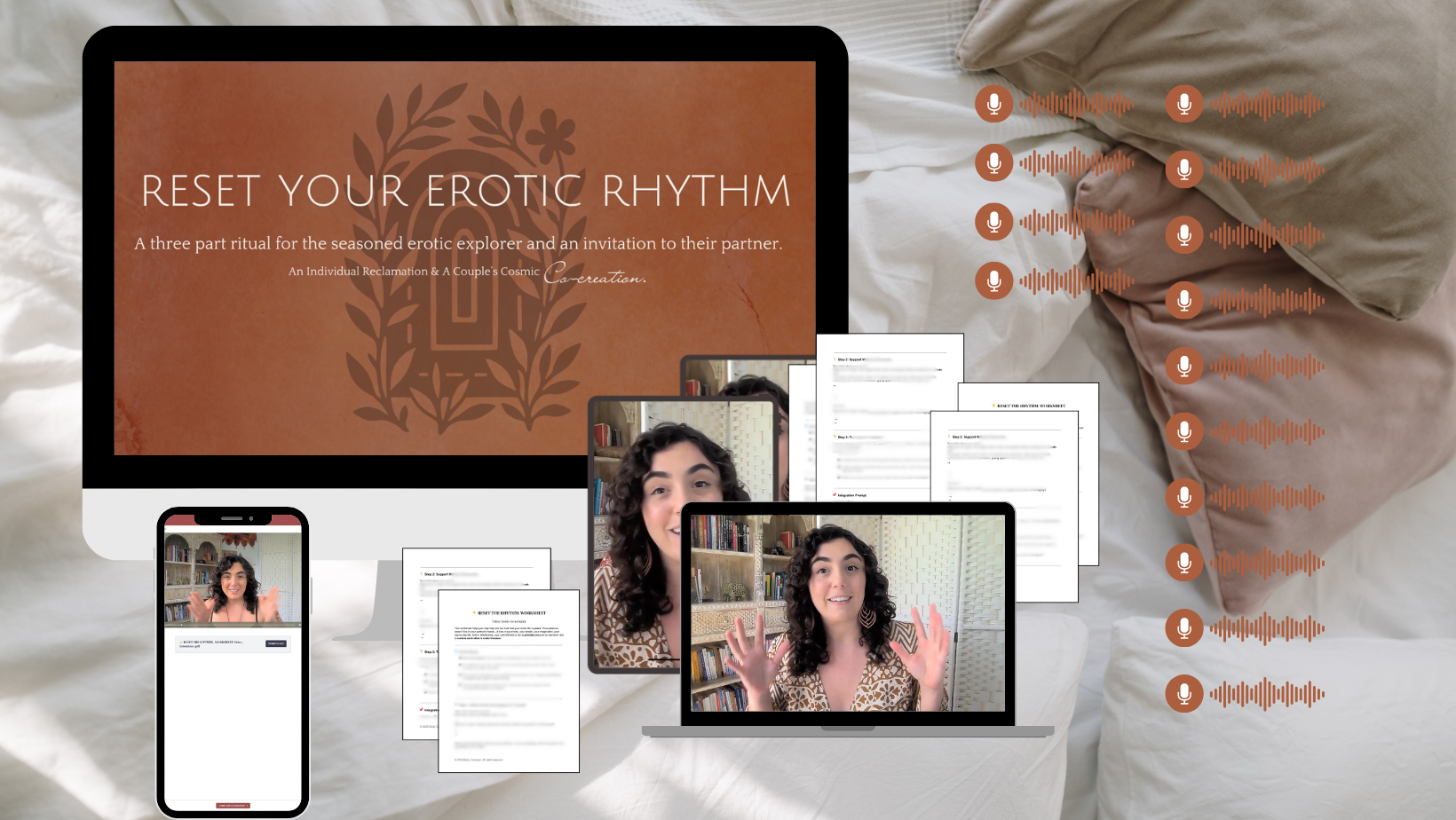
  • How to Have Great Valentine’s Sex After Months of Meh Sex — Body Compass

    How to Have Great Valentine’s Sex After Months of Meh Sex — Body Compass

    BLOG

    How to Have Great Valentine’s Sex After Months of Meh Sex — Body Compass

    How to Have Great Valentine’s Sex After Months of Meh Sex
    Dec 31
    Written By Nicole card
    (Without Forcing Romance, Faking Desire, or Pretending Nothing’s Been Wrong)
    What we will cover:How to have sex on Valentine’s Day when you’re not in the moodValentine’s Day sex after a dry spellWhat to do on Valentine’s Day if we haven’t been having sexHow to make Valentine’s Day intimate without sexIs it normal to not want sex on Valentine’s DayValentine’s Day pressure sexWhy Valentine’s Day makes relationship problems worseValentine’s Day emotional laborNow let’s get into it…There’s a very specific feeling that hits sometime in late January.It’s subtle at first. A tightening in your chest when a Valentine’s email pops up. A little eye-roll when you pass the candy aisle. A faint dread when someone asks, “So, do you have plans?”Because you know what’s coming.Not just Valentine’s Day — but what it asks of your relationship.If you’ve been having months of meh sex — or no sex, or sex that technically “counts” but doesn’t land anywhere in your body — Valentine’s Day can feel like an unspoken deadline.Like suddenly sex is no longer private. No longer contextual. No longer allowed to be complex.Now it’s a referendum.On your relationship. On your desirability. On whether something is “wrong.”You might love your partner deeply. You might feel emotionally bonded. You might even feel grateful for the life you’ve built together.And yet… when you imagine Valentine’s sex, your body doesn’t open.It braces.That doesn’t mean you’re broken. It means your body is telling the truth before your mouth has words for it.And Valentine’s Day — loud, pink, prescriptive Valentine’s Day — has a way of amplifying truths we’ve been quietly managing all year.This is not a blog about tricks, positions, or pretending. This is about how intimacy actually returns after distance, and how to let Valentine’s Day become a doorway instead of a demand.
    QUIZ: 💗 💕 ❤️‍🔥GET YOUR PERFECT VALENTINE’S DAY DATE PLAN!
    How Delulu Is Your Relationship This Valentine’s Day?
    Find out which expectations might be sabotaging — or spicing up — your Valentine’s Day this year…and get a date plan that actually fits your relationship.CLICK HERE TO TAKE THE QUIZ
    First: Let’s Redefine “Great Valentine’s Sex”If your sex life has been quiet, strained, or inconsistent lately, “great Valentine’s sex” cannot mean what the culture tells you it means.It cannot mean:a spontaneous surge of lust that overrides months of disconnectiona perfectly orchestrated night that proves you’re still doing relationships “right”slipping into a role you no longer inhabit just to keep the peaceBecause here’s the thing no one tells you: your body knows when it’s being asked to perform reassurance instead of pleasure.Great Valentine’s sex — real great sex — doesn’t come from pressure. It comes from alignment.After a dry or meh season, great sex often looks quieter than expected.It might look like:sitting close without planning the next movelaughing in a way that hasn’t happened in a whileletting touch linger without escalationfeeling your breath deepen instead of holding itSometimes the most erotic thing is realizing you don’t have to produce anything tonight.Sometimes the relief itself is what wakes desire back up.Why Sex Gets “Meh” (And Why Valentine’s Day Exposes It)Sex doesn’t become meh because attraction disappears overnight.It becomes meh slowly — quietly — through a thousand tiny moments of adaptation.You adapt to stress. You adapt to schedules. You adapt to emotional labor imbalances. You adapt to disappointments you didn’t have language for. You adapt to being the one who notices, tracks, initiates, or repairs.Your body adapts by doing what bodies do best: conserving energy.Desire isn’t lazy. It’s economical.When life becomes about managing, coordinating, and surviving, desire often steps back — not out of spite, but out of intelligence.And then Valentine’s Day arrives like a spotlight with a clipboard.Suddenly there’s an expectation that tonight will somehow bypass:months of exhaustionunresolved tensionunspoken resentmentgrief you haven’t named yetYour nervous system doesn’t work that way.Your body remembers:how safe it has felthow often it’s been rushedhow much space it’s been given to say noValentine’s Day doesn’t create problems.It reveals the season you’re already in.
    QUIZ: 💗 💕 ❤️‍🔥GET YOUR PERFECT VALENTINE’S DAY DATE PLAN!
    How Delulu Is Your Relationship This Valentine’s Day?
    Find out which expectations might be sabotaging — or spicing up — your Valentine’s Day this year…and get a date plan that actually fits your relationship.CLICK HERE TO TAKE THE QUIZ
    The #1 Mistake Couples Make on Valentine’s Day After a Dry SpellThey make sex carry the emotional weight of the relationship.Sex becomes proof.Proof that:you still want each othernothing has really changedthe distance hasn’t “won”And the moment sex becomes proof, it stops being playful.Now your body isn’t just responding to sensation — it’s managing meaning.You’re monitoring:Am I into this enough?Is he reading my hesitation?What if this opens something I don’t want to deal with tonight?Your partner might be doing their own version:Is she forcing this?What does it mean if she doesn’t want to?Am I about to be rejected on Valentine’s Day of all days?That’s not an erotic container.That’s a performance stage with emotional landmines.And no one relaxes into desire while tiptoeing.Start Here: Rebuild Erotic Safety (Not Just Romance)Romance without safety is just stimulation layered over tension.Candles can’t do the work your nervous system is asking for.Erotic safety is the felt sense that:nothing bad will happen if desire doesn’t appearno one will be punished for honestyconnection is allowed to be incompleteThis is why a simple sentence can change everything:“There’s no pressure tonight. I just want to be with you.”That sentence tells your body:I don’t have to defend myself.And when defense drops, sensation has somewhere to land.This is one of the great paradoxes of desire: it often returns only after it stops being demanded.Safety doesn’t kill eroticism. It’s what gives it permission.How to Actually Prepare for Valentine’s Sex (Days Before, Not Minutes Before)Most people think intimacy is created in the bedroom.It’s not.It’s created in tone.In the days leading up to Valentine’s Day, your body is quietly tracking:how you’re spoken to when you’re tiredwhether bids for connection are met or missedhow often you feel like a teammate versus a managerwhether effort feels mutual or assumedA genuine moment of attunement three days earlier does more for desire than any last-minute gesture.When you feel emotionally considered, your body softens.When you feel taken for granted, it tightens.Desire is not a decision. It’s a response to context.
    💘 💌 💖Quiz: How Delulu Is Your Relationship This Valentine’s Day?
    Find out which expectations might be sabotaging — or spicing up — your Valentine’s Day this year…and get a date plan that actually fits your relationship.Click HERE
    A Better Valentine’s Day Game Plan (Especially After Months of Meh)Instead of aiming for fireworks, aim for orientation toward each other.1. Name the Reality — Gently, HonestlyNaming what’s true doesn’t ruin the night.Avoiding it does.Saying something like:“I want tonight to feel good, not pressured. I’ve missed feeling close to you.”This creates a shared ground instead of opposing sides.2. Build Intimacy Without a ScriptSit close without touching. Touch without escalating. Talk without steering toward sex.Eroticism often lives in the moments where nothing is required to happen next.3. Let Desire Emerge — Or NotIf desire shows up, meet it with curiosity. If it doesn’t, meet that with kindness.Either way, you’ve done something essential: you’ve told your body it’s safe to be honest again.That alone changes the future.What If Only One of You Wants Sex?This is where Valentine’s Day hurts the most.Because it can feel like a referendum on love itself.But often, what’s happening isn’t rejection — it’s mismatch of needs.One of you might be using sex to feel:closereassuredwantedThe other might need:emotional safetyspaciousnessrelief from pressureNeither is wrong.They’re just speaking different nervous-system languages.When you slow down enough to understand what sex represents for each of you, something shifts.The fight softens. The polarity relaxes. Connection becomes possible again.
    QUIZ: 💗 💕 ❤️‍🔥GET YOUR PERFECT VALENTINE’S DAY DATE PLAN!
    How Delulu Is Your Relationship This Valentine’s Day?
    Find out which expectations might be sabotaging — or spicing up — your Valentine’s Day this year…and get a date plan that actually fits your relationship.CLICK HERE TO TAKE THE QUIZ
    Why “Scheduling Sex” Isn’t the Villain (But Pressure Is)We’ve been sold the idea that spontaneous desire is the gold standard.It’s not.Especially in long-term relationships, desire often arises after engagement, not before.Scheduling intimacy can be deeply erotic when it’s framed as:shared timeexplorationpresenceNot obligation.Valentine’s Day doesn’t have to be the moment everything is fixed.It can be the moment you decide to stop pretending.The Truth No One Says About Desire SlumpsDesire doesn’t disappear.It retreats when it doesn’t feel safe to stay.And like anything returning after a long winter, it needs:warmthpatienceroom to arrive in its own timeYou don’t call it back by demanding it perform.You call it back by changing the conditions.When Valentine’s Sex Becomes a Turning Point (Instead of a Letdown)The most meaningful Valentine’s nights aren’t always the sexiest.They’re the ones where:something softenshonesty replaces performancetwo people stop trying to manage the momentThat softness is erotic. That safety is arousing. That truth is where intimacy begins again.If You Want Help Rebuilding Desire — TogetherIf Valentine’s Day keeps highlighting the same pain points year after year, it’s not because you’re failing.It’s because modern relationships were never taught how to evolve desire over time.That’s why I created Reset Your Erotic Rhythm (RYER) — a guided, embodied process where:women stop carrying relational growth alonemen are supported to grow without being taught by their partnerdesire is treated as a living system, not a performanceGreat sex doesn’t come from effort.It comes from alignment.One Last ThingIf this Valentine’s Day feels tender instead of triumphant, that doesn’t mean something is wrong.It means your relationship is alive enough to ask for something more honest.And that question — What do we actually need now?That’s not a problem.That’s the beginning. 💘
    QUIZ: 💗 GET YOUR PERFECT VALENTINE’S DAY DATE PLAN!
    How Delulu Is Your Relationship This Valentine’s Day?
    Find out which expectations might be sabotaging — or spicing up — your Valentine’s Day this year…and get a date plan that actually fits your relationship.CLICK HERE TO TAKE THE QUIZValentine’s Day gets weird in long-term relationships — not because you don’t love each other, but because you’re both walking around with unspoken expectations, fantasies, and assumptions about what the day should be.This quiz reveals the exact Valentine’s Day script your relationship is quietly operating on this year — and then gives you a perfectly-matched date plan designed for your actual dynamic, not a generic romance holiday fantasy.If you’ve ever said, “I’m fine with whatever we do…” while secretly meaning something very specific, this quiz is for you.Because you’re done with Valentine’s Day flattening your nuance — and ready for a version of connection that finally feels like you.CLICK HERE TO TAKE THE QUIZ
    Nicole card
    Previous
    Previous
    The Last-Minute Valentine’s Day Plan for Couples Who’ve Been In a Rut
    Next
    Next
    Valentine’s Day in a Sexless Marriage: What It’s Trying to Tell You
    How to Have Great Valentine’s Sex After Months of Meh Sex
    Nicole Siegel

    Curious if this work is right for you?

    Book a free 30-minute call — no pressure, no commitment.