Blog

  • The Last-Minute Valentine’s Day Plan for Couples Who’ve Been In a Rut — Body Compass

    The Last-Minute Valentine’s Day Plan for Couples Who’ve Been In a Rut — Body Compass

    BLOG

    The Last-Minute Valentine’s Day Plan for Couples Who’ve Been In a Rut — Body Compass

    The Last-Minute Valentine’s Day Plan for Couples Who’ve Been In a Rut
    Jan 1
    Written By Nicole card
    The Last-Minute Valentine’s Day Plan for Couples Who’ve Been in a Rut
    What we will cover:Last-minute Valentine’s Day ideas for couplesLast-minute Valentine’s Day plans for couplesWhat to do for Valentine’s Day last minuteLast-minute Valentine’s Day ideas at homeValentine’s Day plans when you forgot to planLast-minute Valentine’s Day ideas without giftsValentine’s Day when you feel disconnectedWhat to do on Valentine’s Day if your relationship is in a rutValentine’s Day for couples in a rutHow to reconnect on Valentine’s DayValentine’s Day when you’re not feeling closeValentine’s Day ideas for struggling couplesThere’s a specific kind of silence that settles in when Valentine’s Day is almost here and neither of you has said anything yet.No plans. No jokes about it. No “we should probably…” texts.Just the quiet awareness that something is expected — and neither of you knows how to initiate it without making things worse.Maybe you keep meaning to talk about it, but the timing never feels right. Maybe you’re both waiting for the other to care more. Maybe you care deeply — but you’re exhausted, burned out, or quietly unsure how to get back to each other without opening a whole conversation you don’t have the capacity for right now.So now it’s last-minute.And instead of excitement, what you feel is:pressureguiltconfusiona faint sense of failure you can’t quite justifyHere’s the thing no one says loudly enough:Being in a rut doesn’t mean your relationship is broken. It usually means it’s been carrying too much without enough support.This blog isn’t about a perfect Valentine’s Day. It’s about a real one — one that works with where you actually are, not where you think you’re supposed to be.First, Let’s Name the Rut (Without Turning It Into a Crisis)A rut isn’t dramatic.It’s not constant fighting. It’s not explosive resentment. It’s quieter than that.A rut is:defaulting to logistics instead of curiositytouching out of habit, not presenceknowing each other’s routines but not each other’s inner weatherloving each other — but feeling oddly far awayRuts form when life gets louder than intimacy.Work deadlines. Stress. Health. Kids. Aging parents. Emotional labor that quietly piles up on one person’s plate.And then Valentine’s Day shows up like a mirror you didn’t ask to look into.If you’re reading this and wondering, “Is it normal to feel disconnected on Valentine’s Day?” — yes. Incredibly.Especially in long-term relationships where no one taught you how to re-enter intimacy after drift.
    QUIZ: 💗 💕 ❤️‍🔥GET YOUR PERFECT VALENTINE’S DAY DATE PLAN!
    How Delulu Is Your Relationship This Valentine’s Day?
    Find out which expectations might be sabotaging — or spicing up — your Valentine’s Day this year…and get a date plan that actually fits your relationship.CLICK HERE TO TAKE THE QUIZ
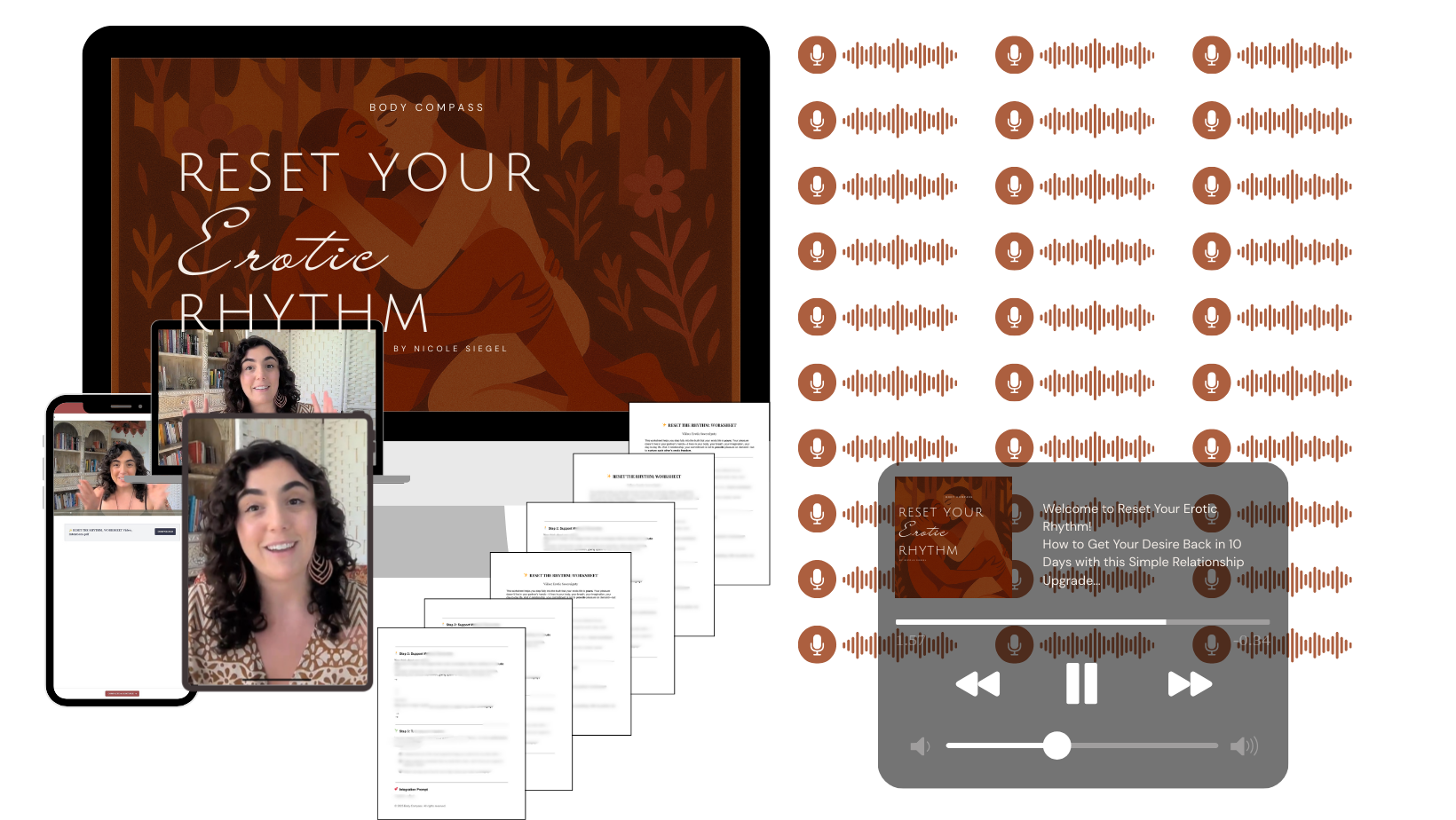
    Why Last-Minute Valentine’s Plans Feel So LoadedThe panic isn’t about the plan.It’s about what the plan represents.Last-minute Valentine’s Day planning can feel like:proof you didn’t prioritize the relationshipproof you’re “bad at romance”proof something important has slippedBut here’s a reframe that matters:The fact that you’re looking for a plan at all means the relationship still matters to you.Indifference doesn’t Google solutions.Ruts don’t come from lack of love — they come from lack of bandwidth.The Big Mistake: Trying to “Fix” the Rut in One NightThis is where couples go wrong every year.They think Valentine’s Day has to:reignite passionrepair distanceresolve months of disconnectionprove the relationship is still aliveThat’s too much to ask of a single evening.When Valentine’s Day becomes a make-or-break moment, your nervous system goes into self-protection mode.You’re not showing up curious. You’re showing up guarded.Real connection doesn’t happen under emotional ultimatums — even unspoken ones.So if you’re in a rut, the goal of Valentine’s Day is not resolution.The goal is re-orientation.A Body Compass Reframe: You’re Not Late — You’re Just HonestThere’s a myth that romance has an expiration date.That if you didn’t plan something early enough, it “doesn’t count.”Your body doesn’t care about calendars. It cares about sincerity.A last-minute Valentine’s plan can be deeply intimate if it’s rooted in:truth instead of performancepresence instead of pressurerepair instead of pretendingSometimes the most romantic thing you can do is stop lying to yourselves about where you are.The Actual Last-Minute Valentine’s Day Plan (That Works in a Rut)This isn’t about grand gestures. It’s about changing the relational temperature — even slightly.Step 1: Name the Moment You’re In (Out Loud)This is the most important step — and the one people skip.Something simple, like:“I know we’re kind of in a rut, and I don’t want Valentine’s Day to feel awkward or pressured. I just want to feel close to you.”This does three crucial things:It releases pressureIt tells the truthIt creates shared groundConnection starts when neither of you has to pretend.Step 2: Choose Connection Over ImpressingIf you’re in a rut, skip anything that requires high energy, high performance, or high emotional stakes.Instead, choose something that allows:slownessconversationshared presenceA walk. A quiet meal at home. Sitting together without screens. Listening to music.The question isn’t “Is this romantic enough?”The question is: “Will this help us feel human together again?”Step 3: Remove the Expectation of Sex (Yes, Really)Nothing kills intimacy faster than unspoken sexual pressure.Especially if sex has been part of the rut.Saying — explicitly or implicitly —“There’s no pressure for this to turn into sex.”Often does more for desire than trying to manufacture it.When your body knows it can relax, sensation has somewhere to land.Sex that emerges from safety is always better than sex that’s negotiated through obligation.Step 4: Touch Without a GoalIf you touch at all, let it be:slownon-escalatingexploratoryHand-holding. Sitting close. A hand on a thigh without expectation.Eroticism begins when touch is allowed to be what it is — not a means to an end.What If One of You Cares More About Valentine’s Day Than the Other?This is incredibly common — and deeply misunderstood.Often, it’s not about the holiday itself.It’s about what Valentine’s Day represents:effortbeing consideredbeing chosenIf one of you feels disappointed and the other feels pressured, the issue isn’t romance.It’s unmet relational needs colliding with different coping strategies.Instead of arguing about the day, ask:“What does this day bring up for you?”That question alone can soften the rut.Why This Still Counts (Even If It’s Simple)There’s a quiet grief many couples carry: We used to be better at this.But relationships don’t fail because they change. They fail when change goes unacknowledged.A last-minute Valentine’s plan that meets reality is infinitely more intimate than a perfectly planned night built on denial.This is how ruts actually begin to loosen — not through spectacle, but through honesty.If You’re Wondering: “Is This Normal?”Yes.It’s normal to:feel disconnected sometimesstruggle with desire in long-term relationshipsnot know how to come back to each otherfeel pressure around Valentine’s DayWhat’s not normal is being taught nothing about how to navigate these seasons — and then blaming yourself for struggling.When a Rut Is a Signal, Not a FailureRuts often appear right before growth.They’re the body’s way of saying:The old way isn’t working anymore. Something needs to evolve.Valentine’s Day doesn’t have to solve that.It can simply mark the moment you stop ignoring it.If You Want Support Beyond a One-Night ResetIf ruts keep repeating — around Valentine’s Day or otherwise — it’s not because you’re doing relationships wrong.It’s because modern couples were never taught how to:evolve intimacy over timeredistribute emotional laborwork with desire instead of forcing itThat’s why I created Reset Your Erotic Rhythm (RYER) — a guided process where:women stop carrying relational growth alonemen are supported to grow without being taught by their partnercouples learn how to re-enter intimacy after disconnectionBecause intimacy isn’t about trying harder.It’s about finding a rhythm that actually fits your lives.One Last ThingIf this Valentine’s Day feels imperfect, quiet, or unresolved — you haven’t failed.You’ve told the truth.And honesty is often the first step out of a rut — not the last.You’re not behind. You’re right on time. 💘
    QUIZ: 💗 💕 ❤️‍🔥GET YOUR PERFECT VALENTINE’S DAY DATE PLAN!How Delulu Is Your Relationship This Valentine’s Day?Find out which expectations might be sabotaging — or spicing up — your Valentine’s Day this year…and get a date plan that actually fits your relationship.CLICK HERE TO TAKE THE QUIZ
    Nicole card
    Previous
    Previous
    🎙️Modern Relationships Are Doing Ancestral Work
    Next
    Next
    How to Have Great Valentine’s Sex After Months of Meh Sex
    Nicole Siegel

    Curious if this work is right for you?

    Book a free 30-minute call — no pressure, no commitment.
  • 🎙️Modern love is a sh*t show — Body Compass

    🎙️Modern love is a sh*t show — Body Compass

    BLOG

    🎙️Modern love is a sh*t show — Body Compass

    🎙️Modern love is a sh*t show
    Jan 16
    Written By Nicole card
    Embed Block
    Enter a valid embed URL or code.
    Click here to listen on SpotifyEpisode Description You’re having the same fight on repeat, the sex feels obligatory (or nonexistent), and somehow you’re the one carrying the emotional weight of the whole relationship. You’re not broken—and you didn’t choose wrong. In this episode, we unpack why modern love feels like a sh*t show, how we got here, and what’s actually happening underneath the exhaustion.Topics We CoverWhy modern relationships feel so hardFeeling like you’re doing all the work in a relationshipLoss of intimacy and sex in long-term relationshipsWhy women feel like their partner’s motherEmotional labor and resentment in relationshipsWhy desire fades after the honeymoon phaseWhy love feels like work instead of connectionSearch Tags modern love problems, relationship struggles women, emotional labor in relationships, loss of intimacy, sexless relationship, feeling like his mom, relationship resentment, long term relationship problems, why relationships feel hard, relationship burnout, unhappy but in love, modern relationship dynamics🌟🌟Reset Your Erotic Rhythm🌟🌟👉 Explore the Couples CourseA self-guided intimacy journey for rebel lovers who’ve woken up—and are done dragging their unwilling partner behind them. 📲 THIS IS A NEW PODCAST AND WE NEED YOUR HELP! Help This Podcast ThriveIf your body hummed, your brain lit up, or you whispered “WTF yes” during this episode…💌 Don’t keep it to yourself.✨ Download the episode🌱 Leave a review (it’s podcast gold and helps us reach more pleasure-curious weirdos)👯‍♀️ Send it to that one friend who totally vibes with eco-intimacy, sacred sex, or just needs a little erotic permission slip today.Tag @bodycompass.me if you share—it seriously means the world 💫 🌿 Resources & Links: To work with Nicole 1 to 1: Email bodycompass.me@gmail.com or schedule a free 30 minute consultation with her here. Freebie #1—>Free Erotic Body Reconnection Kit (Previously 3 Best Sexological Bodywork Practices)The 3 most impactful practices from My Erotic Literacy Vault—field tested in sessions, and personally loved by yours truly—to Melt Freeze, Rebuild Trust, and Restore Erotic Aliveness.Free Download | Created by a Certified Sexological Bodyworker® Freebie #2—>Download our ultimate FREE erotic symptom decoder: The DSM-XXX: Desire & Somatics Mythos✨ Our 100+ page reference guide for anyone who’s ever been told their sexuality is dysfunctional—when really, it’s just been misinterpreted. 🌿👉 DOWNLOAD HERE Freebie #3—>Take the Portal Quiz: Your Erotic Survival PatternThe hidden pattern running your pleasure life—and how to burn it to the ground.👉 TAKE THE QUIZ HERE Find me on Insight Timer 💫 𖤓 ૐ 🧘🏻‍♀️ ✧˖° 🪬 🌿 Go Deeper with Self-Ritual:Reset Your Erotic Rhythm👉 Explore the Couples CourseA self-guided intimacy journey for rebel lovers who’ve woken up—and are done dragging their unwilling partner behind them. Lover, Not Mother: How to Stop Mothering Your Guy in 10 Days👉 Explore the 10 Day Digital ImmersionA relationship upgrade for the woman who is ready to burn it all to the ground if someone else doesn’t start picking up the fckng slack. Contact Nicole directly here—>bodycompass.me@gmail.comTranscript: If you’ve ever felt like your body’s betrayed you like pleasure is something reserved for other people or something, you’re always getting wrong. This little corner of podcast land is for you. I’m your radical rageful mama Bear here to defend your right to feel good in your body. Welcome to season two of the Nature of Pleasure.This season, we’re talking all about relationships and what it’s like to love inside systems and family patterns that were never built for the kind of intimacy we’re trying to have now, because here’s the truth, pleasure isn’t a side dish. It’s not fluff. It’s not a luxury. It’s your body’s way of saying, I’m alive, I belong, and I have power.Welcome to the nature of pleasure. I’m Nicole Siegel, certified sexological body worker and creator of the Body Compass Method, and this is where we unravel the quiet codes of your body, the hidden intelligence beneath desire, and the organic rhythm of your erotic nature.All right. All right. Today we are talking about how modern love is a total shit show. Tell me if this sounds familiar. You have the same fight on repeat about dishes or laundry or who’s more tired, but what you’re really fighting about is closeness, intimacy, sex, and the fact that you feel like you’re carrying the whole damn relationship on your back and you have for years, or maybe you’re lying in bed next to your partner, scrolling on your phone.Pretending you’re fine and pretending you’re fine with the fact that sex has slowed to what once every couple months, and when it does happen, it feels like you’re just checking a box so he doesn’t get cranky about it. Or maybe it’s the conflict. You start out wanting connection and two minutes later you’re in full blown war saying things you don’t even mean he shuts down.You get louder. And then hours or days pass where you are living next to each other, basically like strangers.If any of this hits, you are not alone. You’re not broken, you are not being dramatic. You are a woman living in the middle of a cultural cluster. Fuck, where women are taught to over function. Men are allowed to under function. And even encouraged to do so, and no one is given the actual intimacy skills to make love last past the honeymoon phase.This is why I’m here with this episode because love is supposed to be hard. Sometimes it’s human, but it shouldn’t feel like you’re grading a group project where you are the only one who’s shows up. So let’s talk about why Modern Love feels like a shit show, how we got here and what’s actually happening underneath the chaos.Because intimacy isn’t supposed to feel like a second job. It’s supposed to feel like being met.So how did we get here? How did love the thing that should feel like nourishment? End up feeling like you’re grading a group project where your partner barely shows up. So, let’s see. Zoom in. For most of history, marriage wasn’t about love. It was about survival. Property alliances, children, love is a bonus if you got it.Intimacy was barely on the table. Women were expected to be obedient, selfless, reproductive machines. Men were trained to be providers and protectors, not lovers or emotionally available partners. Fast forward to the 18th and 19th centuries, the rise of companion.The rise of companion marriage for the first time, people start thinking, Hey, maybe I should actually like the person I’m legally tied to. But still, the roles stayed rigid. Women were the caretakers, the moral compass, the angel of the house. Men were the rational breadwinner winners, breadwinners, emotional, intimate.Emotional intimacy was still not a skill either gender was taught. Then the 20th century explodes things open, feminism, birth control to sexual revolution. Women demand more pleasure, equality, partnership. We move from marriage as a duty to marriage should fulfill me, which was radical. But here’s the problem.The roles didn’t evolve at the same pace. Women were told, yes, you can work, you can have sex, you can want more. But the cultural training of men stayed basically the same. Don’t cry, don’t need, don’t talk about feelings. Be a man. So what happens? Women over-function carrying the emotional and erotic labor of relationships while men under function.Not always because they’re unwilling, but because they literally haven’t been trained. Nobody pulled them aside and said, here’s how you regulate your nervous system in a fight. Here’s how you touch someone with attunement. Here’s how you build safety so intimacy can grow. And you know what? Women didn’t get that training either.Instead, we got Disney, Hollywood, and Hallmark cards. We were told that love should feel like passion. That never fades sex. That’s always spontaneous intimacy that happens naturally without work. So. No one said, Hey, after the honeymoon, your bodies will reveal more wounds. Your nervous systems will trigger each other, and the real work of intimacy will begin.So here we are trying to build modern love on top of centuries of patriarchal conditioning, Victorian prudishness and Hollywood fantasy. And when it collapses, we think it’s our fault. We think we chose wrong. We think we’re broken. But here’s the truth. Your body isn’t broken. Your relationship isn’t doomed.What’s broken is a story we inherited about what love should be and the complete lack of embodied intimacy skills we’ve been given to navigate real relationships.So on top of all of that history, here’s the other problem. The myth we were handed about what modern love is supposed to feel like. We were sold. This idea that once you found your person, intimacy should just work. That chemistry should be automatic, that sex should stay exciting. That conflict should make you closer, that if it’s hard, you’re doing it wrong or worse, you pick the wrong partner.And that myth is absolutely wrecking people because what’s actually happening is that you fall in love. There’s novelty, there’s desire. Your nervous systems are on high, your nervous systems are high on dopamine and hope and projection. You’re seeing the best edited version of the other person and honestly of your self too.And then time passes, stress enters, real life enters, bodies change hormone shift. Hormones shift. Old wounds come online. You stop performing and start revealing, and instead of being told this is the real beginning of intimacy, most of us panic you think, why don’t I want sex the way I used to? Or Why does everything turn into a fight?Or why do I feel like his mom more like his mom than his lover? Why do I miss him even when he’s sitting right next to me? This is where the myth kicks in hard because the story says if love is right, it should just feel easy. But real intimacy isn’t easy. It’s exposing long-term. Love doesn’t just bring closeness.It brings up everything in you that learned how to survive by staying guarded, pleasing, controlling, or disappearing, and no one told you that. No one told you that desire changes form over time. No one told you that safety can kill spark and be the thing that allows deeper eroticism later. No one told you that conflict isn’t a sign of failure.It’s a sign that something vulnerable is trying to surface. So instead, couples do what they know how to do. They manage, they cope. They lower expectations. They stop touching, they turn sex into a negotiation or a performance. They keep the peace instead of telling the truth. And especially for women, this turns into a very specific heartbreak.You didn’t stop loving him. You didn’t stop wanting intimacy. You stopped wanting intimacy like this, obligatory, disconnected. Rushed untuned. That’s not a libido problem. That’s a myth of modern love problem because we were taught how to fall in love, but we were never taught how to stay intimate once the fantasy burns off.So let’s get specific about what.So where the, so the part where most relationships, the part, so the part where most relationship advice goes wrong is where people say you just need to communicate better. Or have you tried date night? Or my personal favorite. You need to ask for your needs more clearly. And listen, communication definitely matters, but if communication alone fixed intimacy, you wouldn’t be listening to this.Listening to this episode, here’s what’s actually going on. Underneath your bodies are running the relationship, not your intentions, not your love, not how much you want it to work, your nervous systems. When a relationship is new, your bodies are relaxed, cur curious, open novelty gives you energy. Desire feels effortless.You’re regulated enough to be generous, but long-term intimacy does something different. It doesn’t just bring pleasure, it brings exposure. The longer your’re with someone, the more your body starts revealing the old survival strategies. How you learn to protect yourself, how you learn to stay connected, how you learn to keep the peace.And for a lot of women, that strategy looks like anticipating and managing, softening, holding it all together. For a lot of men, it looks like withdrawing, minimizing, deflecting, or getting defensive when emotions get big. Not because either of you are not trying hard enough, but because those strategies once kept you safe.Here’s the thing most people don’t realize. Your body does not experience emotional disconnection as a neutral. It experiences it as threat. So when conflict shows up, your nervous system doesn’t go, oh great, an opportunity for growth. It goes, something isn’t safe. Brace protect. Control is escape. And once your body is in protection mode, eroticism shuts down, not as punishment, but as wi wisdom because desire requires enough safety to let go, and you cannot let go when you feel responsible for everything.That’s why when you can talk about sex, that’s why you can talk about sex endlessly and still not want it. This is why therapy can help you understand each other. And still not fix intimacy. And this is why date night doesn’t touch the deeper problem. Because intimacy isn’t a mindset issue. It’s an embodied capacity.This is where my work as a sexological body worker comes in. Real intimacy isn’t created by insight alone. It’s created when bodies learn over time that it’s safe to soften, to feel, to want to reach. That conflict can be repaired. And that kind of somatic work is the exact work that I do.So here is the shift I want you to try to internalize, because this is where a lot of women quietly give up. You’re not doing all of this work just so love becomes slightly less exhausting. You’re not here to build tolerance for disappointment.You are not here to learn how to cope better with a relationship that’s, that drains you. We can all raise our expectations for our relationships more. The thing you’re actually longing for is possible deep, deep, deep. That deep longing you can only hear when you get really quiet, you’re here because somewhere in your body, you know, love is supposed to feel different than this.Not perfect, but deeply alive.And that aliveness doesn’t mean more conversations. It means more contact and more truth and more sensation, more responsiveness. When relationships actually evolve the way they’re meant to, a very specific thing happens. You stop feeling like the emotional regulator for the entire relationship. You stop bracing before hard conversations and you stop having sex.That makes. That leaves you feeling emptier than before you feel wanted again, not chased, not obligated, but genuinely desired. You feel met, not managed, not appeased, but actually responded to. You feel like you can soften without losing yourself. That’s not fantasy. That’s not exceptional couples. That’s not what happens when intimacy, that’s what happens when intimacy stops being performative and starts being embodied.Because desire doesn’t disappear in long-term love. It changes location. It moves out of novelty and into attunement, out of performance and into presence, out of tension, and into polarity that actually feels erotic instead of exhausting. And when that shift happens, love stops feeling like a constant negotiation.It starts feeling like something you participate in instead of manage. Not because you lowered your expectations, but because the relationship finally grew into something you’re capable of, something capable of holding you.Okay.So if you’re sitting there thinking, yes, this is exactly it. And also we’ve tried so many things. We’re already in couples therapy. We’ve read the books. I wanna say something gently, but really clearly, this level of relational change does not happen by accident or with more effort or with more information.It almost. Never happens when the woman is trying to carry it alone, either because you are inside the system, you’re trying to change. You can’t be your partner’s teacher and their lover. You can’t be the emotional container and still feel, still feel desired. You can’t re-pattern intimacy while you’re the one doing all the regulating modern love needs something we were never given.A container for learning intimacy together. That is why I created my program Reset Erotic Rhythm or R-Y-R-Y-E-R. It’s not couples therapy. It’s not communication training. It isn’t about fixing your partner or teaching you how to ask more nicely. Like so many other couples programs I see out there, it is a structured relational container designed to do what our culture never did.Teach intimacy at the level where it actually lives in the body, the nervous system, and the relationship itself in this program, women can stop being the ones dragging growth forward. We don’t need to do that anymore. I will hold that path for you. Men are, men in the program are taught directly by me how to develop emotional and erotic capacity without their partner having to mother them through it.It is no longer your job. And couples are guided through a process that rebuilds safety, desire, and repair together. At the end of the program, we do a couple’s reset, where you really get to feel the change that’s been made deep in your body, and your body actually starts to trust your partners again,reset erotic rhythm exists because modern love is asking more of us than ever before, and we were never given the skills to meet it. And that’s not a failure of love. It’s a missing education. So if this episode feels like it’s naming something you’ve been living inside of, if part of you knows there’s more available than survival, resentment, or emotional distance in your relationship, then this is your invitation.Just stop trying it. Stop trying to fix it alone. Love is supposed to evolve right now. That’s the change that we’re all living inside of. And living in the, and it can evolve with the right structure to support it. All of the details are in the show notes, and I hope to see you inside. Okay.
    Nicole card
    Previous
    Previous
    🎙️The Relationship You Long For Is Possible
    Next
    Next
    🎙️Modern Relationships Are Doing Ancestral Work
    Nicole Siegel

    Curious if this work is right for you?

    Book a free 30-minute call — no pressure, no commitment.
  • 🎙️The Relationship You Long For Is Possible — Body Compass

    🎙️The Relationship You Long For Is Possible — Body Compass

    BLOG

    🎙️The Relationship You Long For Is Possible — Body Compass

    🎙️The Relationship You Long For Is Possible
    Jan 23
    Written By Nicole card
    Embed Block
    Enter a valid embed URL or code.
    Click here to listen on SpotifyEpisode Description You’re tired of having the same conversation over and over and still not feeling met. You can feel in your body that the relationship you long for should be possible—but you can’t tell if it’s fixable or if this is just what love looks like. In this episode, we talk about why that longing isn’t naïve, what’s actually breaking down underneath the fights, and what real intimacy is asking of us now.Topics We CoverFeeling stuck in the same arguments with your partnerWhy communication doesn’t fix intimacyAm I asking too much in my relationship?Why I feel more emotionally mature than my partnerFeeling resentful but not wanting to leaveWhy long-term relationships stop working the old wayWhat a healthy relationship is supposed to feel likeSearch Tags relationship problems women, feeling unheard in a relationship, am I asking too much relationship, emotional maturity gap, relationship resentment, constant fighting relationship, intimacy issues couples, long term relationship struggles, modern relationship advice, healthy relationship expectations🌟🌟Reset Your Erotic Rhythm🌟🌟👉 Explore the Couples CourseA self-guided intimacy journey for rebel lovers who’ve woken up—and are done dragging their unwilling partner behind them. 📲 THIS IS A NEW PODCAST AND WE NEED YOUR HELP! Help This Podcast ThriveIf your body hummed, your brain lit up, or you whispered “WTF yes” during this episode…💌 Don’t keep it to yourself.✨ Download the episode🌱 Leave a review (it’s podcast gold and helps us reach more pleasure-curious weirdos)👯‍♀️ Send it to that one friend who totally vibes with eco-intimacy, sacred sex, or just needs a little erotic permission slip today.Tag @bodycompass.me if you share—it seriously means the world 💫 🌿 Resources & Links: To work with Nicole 1 to 1: Email bodycompass.me@gmail.com or schedule a free 30 minute consultation with her here. Freebie #1—>Free Erotic Body Reconnection Kit (Previously 3 Best Sexological Bodywork Practices)The 3 most impactful practices from My Erotic Literacy Vault—field tested in sessions, and personally loved by yours truly—to Melt Freeze, Rebuild Trust, and Restore Erotic Aliveness.Free Download | Created by a Certified Sexological Bodyworker® Freebie #2—>Download our ultimate FREE erotic symptom decoder: The DSM-XXX: Desire & Somatics Mythos✨ Our 100+ page reference guide for anyone who’s ever been told their sexuality is dysfunctional—when really, it’s just been misinterpreted. 🌿👉 DOWNLOAD HERE Freebie #3—>Take the Portal Quiz: Your Erotic Survival PatternThe hidden pattern running your pleasure life—and how to burn it to the ground.👉 TAKE THE QUIZ HERE Find me on Insight Timer 💫 𖤓 ૐ 🧘🏻‍♀️ ✧˖° 🪬 🌿 Go Deeper with Self-Ritual:Reset Your Erotic Rhythm👉 Explore the Couples CourseA self-guided intimacy journey for rebel lovers who’ve woken up—and are done dragging their unwilling partner behind them. Lover, Not Mother: How to Stop Mothering Your Guy in 10 Days👉 Explore the 10 Day Digital ImmersionA relationship upgrade for the woman who is ready to burn it all to the ground if someone else doesn’t start picking up the fckng slack. Contact Nicole directly here—>bodycompass.me@gmail.comTranscript: If you’ve ever felt like your body’s betrayed you like pleasure is something reserved for other people or something, you’re always getting wrong. This little corner of podcast land is for you. I’m your radical rageful mama Bear here to defend your right to feel good in your body. Welcome to season two of the Nature of Pleasure.This season, we’re talking all about relationships and what it’s like to love inside systems and family patterns that were never built for the kind of intimacy we’re trying to have now, because here’s the truth, pleasure isn’t a side dish. It’s not fluff. It’s not a luxury. It’s your body’s way of saying, I’m alive, I belong, and I have power.Welcome to the nature of pleasure. I’m Nicole Siegel, certified sexological body worker and creator of the Body Compass Method, and this is where we unravel the quiet codes of your body, the hidden intelligence beneath desire, and the organic rhythm of your erotic nature. All right. This episode is for you if your relationship feels like a constant fucking conversation. Not one big blow up, but the same argument over and over with different wording, maybe different setting. You’re trying to explain something that feels obvious in your body and somehow it turns into a debate about tone or timing or what you mean by that.And I wanna say that the relationship that your soul is longing for is actually possible and. I will not be talking about you surrendering more into your feminine or embodying any specific archetypes. I’m not going to give you scripts to use. I.To appease him or to get him to lower his defenses. We are going way, way, way deeper than that. ‘ cause I hear you. When you say you need more presence and then he hears criticism, you say you’re tired. He hears rejection. You try to explain why sex doesn’t feel good anymore and end up apologizing for hurting his feelings, and you end up Googling things like, why do I feel so angry at my boyfriend?Am I asking too much? In a relationship? And depending on the day you land in one of two places, either you are in deep.And the bells of breakup culture or watching videos that say if he wanted to, he would, and wondering if you should just burn it all down. Or if you’re resigned telling yourself, this is just how men are, this is what long-term relationships look like. Or Maybe I’m the problem. What no one is helping you name is this.You are trying to solve a structural problem inside a relationship using personal blame. You’re trying to explain something that doesn’t even have language yet, because what’s actually happening isn’t just about communication. It’s about love languages. It’s not about love languages. It’s not about you being too much or him being not enough.It’s about two people who were raised inside a culture that split emotional development by gender and thenand then told to go figure out intimacy together with absolutely no training or guidance. So you are in fights that feel personal. But are actually developmental and they’re not necessarily even developmental to you two as individuals. We are inan early developmental stage culturally about relationships, and I’m going to explain more about that. Later on in the episode. So when you are arguing about dishes, sex and feelings, you’re actually underneath fighting about who has to grow first.And right now it probably feels like you if you’re the woman in the heterosexual relationship, and that is why you’re pissed off because no one told you that. Being emotionally mature in a relationship often just means women doing more work, more tracking, more naming, more, staying present while the other person shuts down or checks out.And you are at the point where you can’t tell if this is fixable or if it’s just what love looks like when you are awake and he is not.That’s what we’re talking about today. Not how to talk nicer, not how to be more patient, not how to communicate better. I’m not gonna sell you on some.Spiritu Spiritualized version.Of the same trap that we have ended up in for centuriesof the woman learning how to relax and surrender more. And the man being more masculine. I will not be giving you scripts for nonviolent communication. We’re not doing tips and tricks here. We’re gonna get straight to the heart of thingsbecause there is another way to do this.So here is the part that really messes with your head. I know that these fights feel personal. They feel like he’s not listening to you, like he’s choosing not to show up. Like you’re explaining the same thing for the 10th time and somehow still speaking different languages. Of course it feels like a character issue, like he doesn’t care enough or he’s selfish, or he’s emotionally stunted, or you picked wrong.But if I told, what if I told you, but what if I told you that most of these fights aren’t actually about you or him at all? They’re about capacity, not desire, not intention, not love capacity to stay present when things get uncomfortable. Capacity to hear impact without collapsing or defending capacity to tolerate emotional intensity without shutting down or lashing out.Capacity to repair without needing to be right. Most adults were never taught how to do that, especially men. And that’s not a moral judgment, it’s just a developmental reality because here’s what’s, here’s what usually happens, girls were trained early to track emotion, to notice shift. And tone to smooth things over.To explain, re-explain, adjust. Boys were trained early to manage performance, to stay composed, to avoid emotional overwhelm, to disengage when things felt confusing or threatening. So now you’re adults trying to build intimacy and you’re colliding right at the place where things where those trainings diverge.You’re trying to name the problem. He’s trying to escape the feeling you are trying to push for clarity. He’s pulling away to regulate. You are asking for connection. He’s hearing failure, and the tragedy is this. You interpret his shutdown as indifference. He experiences your intensity as anger, as danger.So the fight escalates, not because either of you is wrong, but because neither of you has the internal bandwidth to stay with what’s actually happening.This is why the same argument keeps looping. You’re not stuck because you’re incompatible. You’re stuck because the relationship is asking for both of you to grow past the level of emotional development you were handed. And here’s the part that no one tells women. When you’re the one with more emotional range, more language, more tolerance for discomfort, it feels like you’re dragging the relationship forward alone, which is why resentment builds.It’s why desire dies and why breakup culture starts to look tempting. Because from where you are standing, it feels like I’m already doing the work. Why do I have to do more? You’re not wrong. The missing piece isn’t effort. It’s that you cannot teach your partner emotional capacity from inside the relationship.And here’s what’s really important to understand about all this. The place where your relationship feels the worst is usually the place where it’s asking for the most growth, but not growth. Read a book or learn better communication skills, growth like your nervous system, no longer getting to run the show the way it always has.Because long-term relationships do something brutal and unavoidable. They take away your exits. In the beginning when things felt lighter, you could avoid certain conversations. You could smooth things over, you could fuck it out. You could keep parts of yourself tucked away. But over time, that stops working.The relationship gets close enough that all old strategies start failing. The pleasing stops working. The explaining stops working, the shutting down stops working and just be chill thing. The just be chill thing absolutely stops working. And when those strategies fail, it feels like the relationship is breaking.But what’s actually breaking is the version of adulthood you were operating from. Adult relationships. Don’t just ask for love. They ask for emotional adulthood. The ability to stay present when you’re flooded, the ability to hear something hard without making it about your worth. The ability to self-regulate instead of outsourcing regulation to your partner, the ability to repair without punishing.Most of us never had to develop those capacities before we could survive on attraction, on chemistry, on being nice people, on good intentions. Until we couldn’t. So when your relationship hits this edge, when things get louder, messier, more repetitive.That’s not because it’s doomed necessarily. It’s probably because the relationship has moved you into a stage where unconscious patterns can’t carry you anymore. And this is where people usually go wrong. They think this shouldn’t be hard. Or if it were right, it wouldn’t feel like this. Or maybe we’re just incompatible.But what’s actually happening is you are being asked to grow inside love instead of outside of it. And that’s so terrifying becauseit reveals the depths of your guts. Everything is on display. Your heart, your lungs, your belly, all of it’s out in the open. And especially for men who were never supported in developing emotional capacity, and for women who were trained to over function instead of receive, it’s really, really scary. So you end up in this middle place, you don’t wanna give up, but you can’t keep doing it the same way and no one has shown you what comes next.That’s the gap. And it’s not between you and him, it’s between the kind of relationship you want. And the emotional skills you were never taught how to build.So let me paint a picture for you for what it actually looks like when a relationship stops feeling like a constant problem to be solved. It’s not perfect. It’s not calm all the time, but it’s workable in a way that gives you your life back and it looks like you still get triggered, but it doesn’t immediately turn into a fight.There’s a pause, not because you’re biting your tongue, but because your body actually has somewhere else to go, but don’t have to convince him that your experience is real. You don’t have to escalate to be heard. You don’t have to choose between staying quiet or blowing things up. He can feel your disappointment without collapsing into shame or defensiveness.You can feel his confusion without turning into the translator for the entire relationship and slowly, almost imperceptively. Sometimes something shifts because the relationship stops being the place where you prove yourself and becomes a place where parts of you finally get to land. This is the part people don’t know is possible.Intimacy can actually become the thing that grows you up. Not the thing that drains you. And I think we can all feel that, like our hearts and our souls are longing for that and grasping for that so desperately we know that we want it and we just don’t have the path to get there. And this is the evolution that we are all asking to move through societally in relationships.We know that we’re transitioning from an old paradigm into the new. We don’t quite know what the new looks like. We know that we need to compost the old, and anytime you move from one developmental stage to the next,I’m gonna use a metaphor that my friend Wendy always uses with me with. It’s like going from. A ladder one, the top of one ladder to the bottom of the A next ladder, and there’s a gap in between where it feels like you could fall to your death. There’s this space in between where you kind of have to leap and on a societal level, that’s where we are with relationships right now.The place we’re moving into. Is this version of relationship where there’s enough emotional capacity on both sides. Your partner doesn’t reflect your wounds back to you. They help you metabolize them just by staying, not by fixing you, or being perfect. They just stay present. This is where your younger parts can come forwardbecause your pain is no longer a threat.When a relationship can hold that kind of humanity, desire often comes back totally on its own, not because you worked on sex, but because your body finally feels safe enough to open again. You don’t fantasize about escape. You don’t numb out or emotionally leave to get through the week. You don’t feel like you’re parenting someone.It starts to feel like two adults learning how to be in intimacy together.And I wanna say that this kind of relationship is not rare because it’s unrealistic. It’s rare because most people were never shown how to develop the inner capacity that it requires because it’s a lot of work, simply because we didn’t have models of this growing up. And there are very few resources in general that can dream at this level of relationship and give you a path towards it.We were never taught how to find true love, not how to grow it inside of us.And here’s the part most women don’t get told or they can feel is true.But they were not taught how toset this responsibility down for good. You cannot be your partner’s developmental environment. You can’t be the place he learns emotional regulation, accountability. And presence while also being the person he’s afraid of. Disappointing growth requires a separate container, a place where skills can be learned without the relationship being online in every moment.And it’s the same for you. I.You can’t alchemize this new relational paradigm as you are over-functioning in the relationship. You need a container.That is why I created a structure. A structured relational container for couples. It’s not therapy, it’s not coaching, and it’s not a quick fix. It’s a journey, and it’s called reset your erotic rhythm. It’s something that I feel really passionately about, and it was born out of working with couples and individuals for years that were stuck in this very pattern.What often happened in my work was that I was working with one part of a couple I. So let’s say I’d be working with the woman in a heterosexual relationship and she’s dealing with her side of the socialization and how she so shows up in a relationship because of it, and I was able to give her the tools to create more space for herself and have internal boundaries so that she wasn’t over-functioning all the time, but that left her counterpart in the couple.It left him. Without the relational and emotional and regulation, inter regulation skills to really meet her where she now was, or I was working with the man and he was changing how he was functioning in the relationship, but the woman couldn’t see that he was updating, or rather she had not been given an opportunity for her body to learn to trust this new.Self that he was bringing to their connection. And so this journey is an eight week course where I have wrapped in a beautiful little bow, every step of that process you get your own space in the her track too.Finally learn the skills that you need to stop over-functioning. And I would bet that you are doing it in every single part of your life, not just in your relationship, because that’s what women are taught to do. And. He will get his own space facilitated by me, not by you, where he learns the basic human relational skills that he needs to have to show up the way that he’s really longing to in the partnership.And the third track is you two, coming together and rebuilding somatic intimacy, not by giving you tips and tricks of how to do sex better or override your bodies in order to meet a standard. Of what a good sex life looks like. It’s actually giving you the foundational tool so that your soul, your heart, your body, your nervous system, is all aligned with the physical connection that you two have Again.It reset. Erotic rhythm is a place where men can build emotional and nervous system capacity without their partner carrying them, without you carrying them. It’s a place where women can step out of the manager role and feel what it’s like to stop holding everything together, and the relationship itself can reset out of survival mode and into something more alive.And this.Program is built on this one core idea that intimacy isn’t just about attraction or communication. It’s about whether two people have the internal capacity to stay present, regulated, and responsive inside of closeness. This program separates the work that can’t happen inside the relationship and then brings couples back together once something real has shifted.Not to perform better, but to actually relate differently, like all of the generations past in our lineage have been yearning for that, have been working for you. Get to be the first woman that.
    Nicole Siegel

    Curious if this work is right for you?

    Book a free 30-minute call — no pressure, no commitment.
  • 🎙️Why Breakup Culture Isn’t the Whole Story- The Hidden Complexity of Modern Love — Body Compass

    🎙️Why Breakup Culture Isn’t the Whole Story- The Hidden Complexity of Modern Love — Body Compass

    BLOG

    🎙️Why Breakup Culture Isn’t the Whole Story- The Hidden Complexity of Modern Love — Body Compass

    🎙️Why Breakup Culture Isn’t the Whole Story- The Hidden Complexity of Modern Love
    Jan 30
    Written By Nicole card
    Embed Block
    Enter a valid embed URL or code.
    Click here to listen on SpotifyEpisode Description You don’t actually want to leave—you just want rest. Somewhere between loving him and feeling depleted, breakup culture starts whispering that leaving is the only empowered option. In this episode, we unpack why that story isn’t the whole truth, and what modern love is really asking of us beneath the exhaustion.Topics We CoverBreakup culture and modern relationshipsFeeling torn between staying and leaving a relationshipWhy women feel emotionally exhausted in relationships“He’ll never get it” and what that feeling actually meansEmotional maturity gaps in relationshipsWhy love feels confusing even when it’s realIs leaving always the healthiest option?Search Tags breakup culture, modern love struggles, should I break up, feeling exhausted in a relationship, emotional labor women, relationship confusion, stay or leave relationship, modern relationship advice, emotional maturity gap, unhappy but still in love 🌟🌟Reset Your Erotic Rhythm🌟🌟👉 Explore the Couples CourseA self-guided intimacy journey for rebel lovers who’ve woken up—and are done dragging their unwilling partner behind them. 📲 THIS IS A NEW PODCAST AND WE NEED YOUR HELP! Help This Podcast ThriveIf your body hummed, your brain lit up, or you whispered “WTF yes” during this episode…💌 Don’t keep it to yourself.✨ Download the episode🌱 Leave a review (it’s podcast gold and helps us reach more pleasure-curious weirdos)👯‍♀️ Send it to that one friend who totally vibes with eco-intimacy, sacred sex, or just needs a little erotic permission slip today.Tag @bodycompass.me if you share—it seriously means the world 💫 🌿 Resources & Links: To work with Nicole 1 to 1: Email bodycompass.me@gmail.com or schedule a free 30 minute consultation with her here. Freebie #1—>Free Erotic Body Reconnection Kit (Previously 3 Best Sexological Bodywork Practices)The 3 most impactful practices from My Erotic Literacy Vault—field tested in sessions, and personally loved by yours truly—to Melt Freeze, Rebuild Trust, and Restore Erotic Aliveness.Free Download | Created by a Certified Sexological Bodyworker® Freebie #2—>Download our ultimate FREE erotic symptom decoder: The DSM-XXX: Desire & Somatics Mythos✨ Our 100+ page reference guide for anyone who’s ever been told their sexuality is dysfunctional—when really, it’s just been misinterpreted. 🌿👉 DOWNLOAD HERE Freebie #3—>Take the Portal Quiz: Your Erotic Survival PatternThe hidden pattern running your pleasure life—and how to burn it to the ground.👉 TAKE THE QUIZ HERE Find me on Insight Timer 💫 𖤓 ૐ 🧘🏻‍♀️ ✧˖° 🪬 🌿 Go Deeper with Self-Ritual:Reset Your Erotic Rhythm👉 Explore the Couples CourseA self-guided intimacy journey for rebel lovers who’ve woken up—and are done dragging their unwilling partner behind them. Lover, Not Mother: How to Stop Mothering Your Guy in 10 Days👉 Explore the 10 Day Digital ImmersionA relationship upgrade for the woman who is ready to burn it all to the ground if someone else doesn’t start picking up the fckng slack. Contact Nicole directly here—>bodycompass.me@gmail.comTranscript: Hey, y’all. Okay? Today we are talking all about. Why breakup culture isn’t the whole story. The narrative of modern love is so much more complex. There’s a lot of hidden complexity here, and we are gonna dive straight into it. So I know this is gonna sound familiar to you, where there’s this moment, usually late at night when the house is quiet.And your nervous system finally has a second to speak to you, and this thought slips in almost against your will, where you think maybe he’ll never fucking get it. Maybe he will never get it, not angrily, not dramatically, just tired. It doesn’t come from a place of hatred. It’s actually coming from a place of depletion.You’ve explained yourself so many times. Your own words feel hollow at this point. You’ve softened your delivery. You’ve tried being direct, you’ve tried being patient, you’ve tried not caring so much, and somewhere along the way the cultural chorus just keeps getting louder. The, if you wanted to, he would, or you shouldn’t have to teach a grown man or men.Don’t change or don’t waste your best years waiting and suddenly leaving gets framed as empowerment, as clarity, as self-respect, and sometimes it is. Sometimes leaving is the right choice, but what no one talks about is how many women don’t actually want to leave, or at least not fully. They just want rest.They want to stop feeling like the emotional manager of the relationship. They want to stop translating their inner world into freaking bullet points. They want to stop carrying the invisible weight of what’s missing. So breakup culture offers a super seductive promise. If you leave, the ache will end, and for some women it does, but for many others, the ache just shifts into something else.It rests in another arena of your life. Because the ache was never actually about him. It was about being asked to hold a kind of relationship that our, our culture has never actually taught anyone how to sustain. And this is where I’m gonna slow down because the story that women are waking up and men are.Behind is true, but it’s also completely incomplete. And the story that love should be easy. If it’s right, is comforting but misleading. What if the problem isn’t that your relationship is broken? What if the problem is that we are trying to live inside a relational paradigm that is still in its infancy and calling ourselves failures when it hurt?It’s what if your exhaustion isn’t a sign that you should give up, but a sign that you’ve been carrying something far larger than any one woman was ever meant to carry alone. So that is the doorway we are walking through today. Stay with me.I’m going to help explain all of those.Contradictory, confusing urges you have of staying or leaving of loving, but also being disappointed of trying so hard, but never really seeing change.So here is the part that changes everything once you’ve actually let it land. The kind of relationship you are trying to have is basically brand new, not just to you, but to the world.This version of love and partnership has never existed in human history. For most of human history, relationships were about survival. You paired up to eat, to have kids, to not die to get more property, but you did not expect your partner to understand your emotional triggers or to process their childhood wounds, to co-regulate your nervous system, to talk about feelings without shutting down to share domestic labor.Equitably, stay sexually connected for decades and help you become your best self. That is like a lot. That’s a lot to expect outta a partnership. I’m not saying you shouldn’t, but stay with me. Let me explain what we’re asking. Of. Relationships now would’ve been spread across an entire village before you would’ve had women for emotional closeness.Elders for wisdom, community for support. Ritual for remaining lovers, for pleasure. Now we’re like, Hey, can you do all of that for me forever? And also not be annoying? And when it doesn’t work, we assume something is wrong with us or with him. But the truth is, we’re in the early stages of a relational experiment.No one prepared us for. Modern emotional love. The idea that your partner should see, you know you and grow with you is still in its infancy. We don’t have models, we don’t have training, we don’t have shared language. We’re just kind of out here winging it with nervous systems shaped by generations of survival, scarcity, and emotional shutdown.I mean, just think about your parents for a moment. I’m guessing that you didn’t receive. The bestparadigm for connection from their relationship. So when women say, I’ve outgrown him, or I’m doing all of the emotional work. Or I feel like I’m dragging him forward. That’s not because men are inherently incapable. It’s because we handed them a rule book that never taught them how to play this game. And then we told women they were crazy for being exhausted.And this doesn’t mean you should tolerate neglect. Obviously it doesn’t mean you should stay in something harmful at all, but it does mean that the pain you’re feeling isn’t necessarily evidence that love is a lie. It’s evidence that the structure we’re living inside of is incomplete, and once you see that, the question stops being, what’s wrong with him?Or why am I still here and starts becoming? What kind of support would a relationship like this? Actually need to survive this magical, co-creative, egalitarian, mutually growthful relationship that has never existed before in human history. What would that actually need to survive? Because most couples aren’t failing.They’re just trying to build something unprecedented without any scaffolding at all.I. When women say he’ll never learn what they’re actually naming isn’t a man. They’re naming the collapse of a story. The story that love should eventually work. The story that if you try hard enough, communicate clearly enough, evolve enough. The relationship will meet you there. And when that doesn’t happen, something in the body kind of gives up.Not loudly, not dramatically, but quietly. He’ll never learn. Isn’t a judgment, it’s a grief response. It’s what the nervous system says when it’s been reaching forward for a long time with no reliable place to land. And here’s the part that’s rarely named. Women aren’t outgrowing men. They’re outgrowing a relational paradigm that never accounted for their full of aliveness.For most of history, women’s emotional and erotic needs were not the center of relationship. They were managed, contained, sacrificed, spiritualized, or ignored. So when a woman today says, I need more emotional presence, or I need depth, I need intimacy, that actually changes me. We’re not asking for too much.We’re not asking for something that has. Never we’re asking for something that has never been structurally supported, and when that need goes unmet, we individualize it. We make it about him or about her. He’s emotionally unavailable, or I chose wrong, or I’m bad at relationships. But what’s actually happening is larger than any one couple.We’re living inside a transitional moment in the history of intimacy right now, a moment where women’s in their lives are no longer optional, but the structures to hold that truth haven’t fully arrived yet. The norms to hold that truth haven’t fully arrived yet.The rhetoric on relationships has not caught up to us, so he’ll never learn, becomes a story that helps us survive that gap because believing the relationship is impossible, feels safer than staying inside longing with no language for what’s actually missing. This is where breakup culture steps in and says, don’t ask questions, just leave.Don’t stay curious. Choose yourself, girl. Don’t grieve. Upgrade, and sometimes that’s necessary, but other times it’s short circuit, something far more interesting because the question isn’t, can he learn? The question is what kind of relationship would make learning possible at all? That’s the inquiry. Most of us were never actually given permission to ask.The truth is that we’ve been taught to think about relationships as something you either get right or fail at, compatible or incompatible, healthier, toxic. Secure or doomed. But that frame is actually too freaking small for what relationships actually do to us. A real relationship doesn’t just support you, it initiates you.Initiation isn’t comfortable, it’s not efficient. It doesn’t happen on a timeline. Initiation is what happens when life puts you in a situation that exposes the exact places you’ve never had to grow before and doesn’t let you bypass them.That’s what long-term relationship does. It brings your unfinished business to the surface, your defenses, your survival strategies, your old bargains about love. And for women especially, this is where the confusion really sets in. Because we were taught that maturity means communicating better and being self-aware and doing the work.So when a woman grows and her partner doesn’t immediately meet her, there. She assumes the relationship has failed, but initiation doesn’t happen simultaneously. People wake up at different moments in different ways through different doorways, and modern culture has no tolerance for that and no roadmap.For what to do. We want relationships that look evolved without going through the destabilization that actual evolution requires. So when the relationship starts to stretch us, instead of asking, what is this asking me to become, we ask, is this a sign I chose wrong? That question shuts the whole thing down because initiation requires staying present in uncertainty, in discomfort, and not knowing yet what the relationship is becoming.This doesn’t mean staying in something unsafe at all. It doesn’t mean enduring chronic neglect, not even a little bit. It means not every moment of misalignment is a verdict. Not every developmental gap is a deal breaker. Not every struggle is a sign you’ve outgrown love itself. Some relationships aren’t dying.They’re trying to initiate both people into a deeper adulthood without a script, without elders, and without a culture that knows how to guide that super complicated process. So women end up alone with the questions, is this growth or is this stagnation? Am I being patient or am I abandoning myself? And because we don’t have a map for that territory, we reach for the loudest narrative available.Break up, start over, try again. But initiation doesn’t end when you leave. It just keeps following you because the work was never about him. It was about learning how to stay present in a living, evolving bond without disappearing, without dominating, without giving up on love too early or giving up on yourself.This is the part of relationship no one teaches us how to recognize.So this is the real reason why leaving isn’t always the liberation we think, and why staying isn’t weakness. There’s a story circulating right now that says if it’s hard, you’re settling. If you’re frustrated, you’ve outgrown him. If you’re unhappy, the answer is to leave, and sometimes that’s true. Leaving can be literally lifesaving.It can be soul saving. It can be clarifying. It can be the first time a woman actually chooses herself in your lineage. But here’s what we don’t talk about enough. Leaving has become the only culturally sanctioned move for a woman who wants her pain taken seriously. Staying as framed as weakness, as low standards as fear.So women learn to hide the truth. I still love him. I don’t actually want a different life. I just want this one to feel alive again. And because we don’t have language for that longing, we collapse it into a simpler story like he’s holding me back. But here’s the uncomfortable truth. Leaving doesn’t automatically free you from the work, it just changes the setting.If you haven’t learned how to stay present in conflict, name your needs without disappearing, feel, desire without over-functioning, repair, without keeping score. Those patterns don’t dissolve. When a relationship ends, they reappear with the different face. And this doesn’t mean that staying is always the braver choice.It means bravery isn’t determined by whether you stay or leave. Bravery is determined by whether you’re willing to stay in truth. And truth is rarely clean and tidy. Truth sounds like I’m not okay with how this is, or I don’t know yet what I want, or I need something different and I dunno how to build it.Breakup culture doesn’t leave room for that kind of honesty. It wants a villain, a conclusion, a glow up arc, but real relational maturity live. In the in between and the willingness to ask, what is this relationship actually asking of me now? What am I avoiding by leaving? What am I betraying by staying, those questions don’t have Instagram answers.They require time and support, and a framework that understands relationship as a living system, not a pass fail test. And without that framework, women are forced to choose between two false options. Endure in silence or leave in certainty. But there is a third way and it requires a different orientation to love.And here is the reframe that I want to give you today. Most relationships don’t fail because people don’t love each other. They fail because they don’t have the infrastructure to hold. What love brings up. Love activates everything. Attachment, fear, desire, power, shame, longing, and we throw couples into that fire with no training, no shared language, and no rituals for repair.No understanding of nervous systems. No cultural patience for learning curves. Then we’re shocked when things fall apart.So women assume the gap they’re feeling is permanent, that if he hasn’t changed by now, he never will. But what’s often missing isn’t desire or capacity. It’s a shared container for growth. Without that container, effort turns into resentment, and communication turns into policing, sex turns into pressure, and then everyone blames themselves.And women end up thinking, I’m asking for too much, and men end up thinking, I’ll never get it right, and neither of those is true. What’s true is this growth inside relationship is not intuitive. It’s taught, it’s practiced. It’s reinforced through experience. When couples learn how to repair instead of retreat or slow down, instead of escalate, track the relationship instead of blaming each other.Stay present. When it gets uncomfortable, something fundamental shifts the relationship, stops feeling like a problem to solve and starts feeling like a living thing. You’re tending together. That’s not romantic fantasy. That is developmental reality. And without access to that reality, breakup culture becomes the default.Not because it’s wiser, but because it’s the only option anyone ever explained.So I wanna leave space for a little bit of storytelling. Now I’m gonna give you a backstage pass into a moment in my own relationship, uh, that really changed the way I understand. The he’ll never learn idea.And this is the moment I saw the younger version of my partner. And I don’t mean like metaphorically, I mean for a split second. It was like I could actually see it like his face softened into this younger. Much younger face, the one from before, he learned how to be guarded in my, in my mind’s eye, I saw his small body like tiny, a little boy in the hallway or a kitchen and somebody’s voice getting sharp, tension, filling the room and his whole system, doing what a kid’s system does when it realizes, oh no, I’m not safe right now.He didn’t fight. He didn’t argue, he didn’t explain. He just turned away. He got quiet. He went somewhere inside of himself where no one could reach him, and suddenly I understood something that no amount of communication tips ever taught me. When I’m trying to talk to him about those moments, I’m not talking to a fully resourced adult all the time.I’m talking to the part of him that learned a long time ago that closeness costs that being seen as dangerous, and that conflict means punishment. Here’s the part that like really cracked me open. At the same time I saw my younger self, not in a like cute inner child way, in a visceral body way. I could feel her.The part of me that has been tracking time, like it’s a threat. The part of me that’s like, how long is this going to take? Am I wasting my life? Am I going to end up like the woman before me strong and tired and swallowing my needs? If I don’t fix this soon, I’m going to disappear. And I realized this dynamic isn’t just women evolved, man behind it’s too nervous system with two nervous systems, with two different survival strategies.His says, hide, shut down, turn away, stay safe. Mind says, speed up. Solve it. Fix it. Now, don’t lose your chance. So when I’m pushing for the convers
    Nicole Siegel

    Curious if this work is right for you?

    Book a free 30-minute call — no pressure, no commitment.
  • 🎙️The Myth of the Valentine’s Day Spark- Why Long-Term Desire Doesn’t Work the Way You Think — Body Compass

    🎙️The Myth of the Valentine’s Day Spark- Why Long-Term Desire Doesn’t Work the Way You Think — Body Compass

    BLOG

    🎙️The Myth of the Valentine’s Day Spark- Why Long-Term Desire Doesn’t Work the Way You Think — Body Compass

    🎙️The Myth of the Valentine’s Day Spark- Why Long-Term Desire Doesn’t Work the Way You Think
    Feb 6
    Written By Nicole card
    Embed Block
    Enter a valid embed URL or code.
    Click here to listen on SpotifyEpisode Description You love him, but Valentine’s Day makes you want to crawl out of your skin instead of into bed. If desire feels pressured, performative, or completely absent lately, you’re not broken—and your relationship isn’t doomed. In this episode, we unpack why the “spark” myth fails long-term love and what your body has been trying to tell you all along. pastedTopics We CoverLoss of desire in long-term relationshipsWhy Valentine’s Day creates pressure around sexWhy the spark fades in healthy relationshipsFeeling disconnected but still in loveDesire cycles and erotic seasonsWhy stress and resentment kill libidoHow long-term attraction actually worksSearch Tags valentine’s day relationship pressure, loss of desire long term relationship, why the spark is gone, sexless relationship, intimacy issues couples, low libido relationship, long term desire, valentine’s day sex expectations, relationship desire problems, modern relationship intimacy🌟🌟Reset Your Erotic Rhythm🌟🌟👉 Explore the Couples CourseA self-guided intimacy journey for rebel lovers who’ve woken up—and are done dragging their unwilling partner behind them. 📲 THIS IS A NEW PODCAST AND WE NEED YOUR HELP! Help This Podcast ThriveIf your body hummed, your brain lit up, or you whispered “WTF yes” during this episode…💌 Don’t keep it to yourself.✨ Download the episode🌱 Leave a review (it’s podcast gold and helps us reach more pleasure-curious weirdos)👯‍♀️ Send it to that one friend who totally vibes with eco-intimacy, sacred sex, or just needs a little erotic permission slip today.Tag @bodycompass.me if you share—it seriously means the world 💫 🌿 Resources & Links: To work with Nicole 1 to 1: Email bodycompass.me@gmail.com or schedule a free 30 minute consultation with her here.  Freebie #1—>Free Erotic Body Reconnection Kit (Previously 3 Best Sexological Bodywork Practices)The 3 most impactful practices from My Erotic Literacy Vault—field tested in sessions, and personally loved by yours truly—to Melt Freeze, Rebuild Trust, and Restore Erotic Aliveness.Free Download | Created by a Certified Sexological Bodyworker® Freebie #2—>Download our ultimate FREE erotic symptom decoder: The DSM-XXX: Desire & Somatics Mythos✨ Our 100+ page reference guide for anyone who’s ever been told their sexuality is dysfunctional—when really, it’s just been misinterpreted. 🌿👉 DOWNLOAD HERE Freebie #3—>Take the Portal Quiz: Your Erotic Survival PatternThe hidden pattern running your pleasure life—and how to burn it to the ground.👉 TAKE THE QUIZ HERE Find me on Insight Timer 💫 𖤓 ૐ 🧘🏻‍♀️ ✧˖° 🪬 🌿 Go Deeper with Self-Ritual:Reset Your Erotic Rhythm👉 Explore the Couples CourseA self-guided intimacy journey for rebel lovers who’ve woken up—and are done dragging their unwilling partner behind them. Lover, Not Mother: How to Stop Mothering Your Guy in 10 Days👉 Explore the 10 Day Digital ImmersionA relationship upgrade for the woman who is ready to burn it all to the ground if someone else doesn’t start picking up the fckng slack.  Contact Nicole directly here—>bodycompass.me@gmail.comTranscript: If you’ve ever felt like your body’s betrayed you like pleasure is something reserved for other people or something, you’re always getting wrong. This little corner of podcast land is for you. I’m your radical rageful mama Bear here to defend your right to feel good in your body. Welcome to season two of the Nature of Pleasure.This season, we’re talking all about relationships and what it’s like to love inside systems and family patterns that were never built for the kind of intimacy we’re trying to have now, because here’s the truth, pleasure isn’t a side dish. It’s not fluff. It’s not a luxury. It’s your body’s way of saying, I’m alive, I belong, and I have power.Welcome to the nature of pleasure. I’m Nicole Siegel, certified sexological body worker and creator of the Body Compass Method, and this is where we unravel the quiet codes of your body, the hidden intelligence beneath desire, and the organic rhythm of your erotic nature. All right, today we are talking all about the myth of the Valentine’s Day spark. Let’s get into it. So let me guess. It’s mid-February. Everywhere you look, someone is selling you red roses, red lingerie, red expectations, and somewhere under all of that is the quiet creeping question. You’re not really saying out loud.Why don’t I feel the spark the way I used to?Because according to Valentine’s Day culture, desire should be automatic, effortless, synchronized, preferably peaking somewhere between dinner reservations and dessert. And if it’s not, well, clearly something’s wrong with you, with him, with the relationship. But here’s what I wanna say right off the bat, and I’m going to say it plainly because you don’t need more romanticized bullshit right now.Long-term desire does not work the way you’ve been told It does, and the thing that’s killing intimacy and otherwise loving relationships isn’t lack of chemistry. It’s the pressure to perform chemistry on demand. See, most of us were raised on this idea that the spark is the gold standard. That attraction should feel electric forever, that if you really loved each other, Valenti, Valentine’s Day and romantic holidays would just work.But that belief quietly ignores how bodies actually function, how nervous systems work, how desire moves in real relationships over time. Because desire isn’t a spark, it’s not a mood. It’s not a personality trait. It’s not something you either have or lose. Desire is actually rhythmic. It moves in cycles.It has seasons. It responds to safety, stress, attunement, resentment, repair, rest, novelty, timing, so many things, and Valentine’s Day. Is basically asking your relationship to be in full erotic summer, even if you are very clearly in an emotional winter. So if you’ve ever found yourself thinking, I love him, but I don’t feel turned on lately.Or, why does this feel like pressure instead of pleasure? Or why am I bracing instead of opening or basically like Valentine’s Day is the absolute.Best time for a relationship audit, and you can now list perfectly all the things that are wrong in your connection with your partner. I want you to know that response is super intelligent. Your body isn’t failing the test. Your body is responding honestly to the conditions it’s in. And today we’re gonna take the pressure off the spark and talk about what actually creates long-term erotic connection.We’re going to talk about rhythm, about attunement, about why desire disappears when it’s demanded and reappears when it’s listened to. And most importantly, I wanna give you permission to stop diagnosing your relationship as broken when what’s really missing is a framework that can actually, that actually understands how desire works over time.So let’s talk about the myth of the Valentine’s Day spark and what your body has been trying to tell you all along.So let’s talk about chemistry for a second. I really, really hate this word. We’ll start off there. So much quiet damage gets done with this concept. When people say the spark, what they’re usually talking about is early stage attraction, novelty uncertainty, that delicious nervous system activation where you don’t quite know if you’re safe, but you’re very alive.That phase is real and it is intoxicating, and it’s not designed to last forever. In fact, biologically speaking, it cannot last forever. Early attraction is fueled by heightened alertness. Your body is scanning, attuning, orienting there. There’s risk, there’s mystery. There’s no shared rhythm yet, so your system stays slightly on edge, which is fun until it isn’t, because over time, intimacy, real intimacy asks for something different.Long-term desire doesn’t grow from perpetual uncertainty. It grows from safety that doesn’t suffocate aliveness.And here’s where the myth sneaks in. We’re told that if desire changes, something must be wrong, that if the spark soften softens, the relationship is dying. That if you don’t feel instantly turned on, you should panic, fix it or move on. So instead of listening to the body, we start policing it. We start asking, why don’t I want sex the way I used to?Or, what’s wrong with me? Or Why does this feel like effort now? And nobody ever tells us the truth, which is that desire doesn’t disappear in long-term relationships. It reorganizes.The rhetoric, that relationship, that desire always dies in marriages in long-term relationships, is just so incredibly unhelpful and doesn’t reflect reality. We just don’t have the skills to move through different seasons with our eroticism. We don’t have the skills to do that individually in ourselves, and we don’t have the skills to do it in partnership either.So desire reorganizes in long-term relationships. It stops responding to novelty alone and starts responding to rhythm, to timing, to emotional safety, to whether there’s unresolved tension sitting quietly between you. To whether your nervous system feels met or like it’s carrying too much, and Valentine’s Day is basically built on the fantasy that chemistry should be immune to all of that.And it’s not as if stress doesn’t matter, as if resentment doesn’t matter, as if the fact you’ve been emotionally managing the relationship for months shouldn’t affect your libido at all. It is a wild expectation when you actually slow down and look at it. So if your desire doesn’t automatically switch on because the calendar says it’s time, that doesn’t mean the spark is gone.It means your body is operating with more intelligence than the story you were given reflects.Once you understand that the entire conversation about attraction starts to change because the question stops being, how do I get my spark back and becomes, what rhythm is my body actually in right now? And what would help it shift?So let’s dig into the science of all of this. You guys know I love.The inner mechanics of how the body actually works. So early stage desire, the kind we are taught to absolutely worship is novelty driven. Like I’ve already said, it’s nervous system based.Your body is alert, curious, slightly on edge. There’s uncertainty which creates charge. Your system is asking, who is this? Am I safe? Am I wanted, what could happen next? That kind of desire feeds on the unknown, but here’s the part, no one prepares us for long-term. Love asks your nervous system to stand down, to soften, to relax into familiarity, and that means desire can’t rely on novelty alone anymore.Instead, long-term desire requires safety plus aliveness, not safety. That’s boring, not aliveness, that’s chaotic, but a living rhythm between the two. This is where everything shifts because desire isn’t a straight line, it’s not a personality trait. And it’s absolutely not high libido every day forever because again, desire moves in cycles.It has seasons. Your body’s capacity changes depending on stress, connection, resentment, rest repair. Some days your system has room for erotic charge. Some days it barely has room to be touched. That doesn’t mean something is wrong. It means your body is responding accurately to its environment.And this is how spa spark culture does real harm. When desire shifts. Women tend to turn inward and think, what’s wrong with me? Why don’t I want sex the way I used to? Or, why does this feel like work? When in reality they’re often just under-resourced, over overstimulated, emotionally caring more than they realize.And men, they internalize it differently. They start thinking they’re undesirable, rejected, failing. When what’s actually missing is not attraction, it’s attunement. Spark culture tells both partners the same lie that long-term attraction should feel like early attraction. So instead of listening, couples panic instead of listening to their bodies themselves or souls, couples just panic.They start performing intimacy by scheduling sex or forcing romance, or finding tips, tricks, techniques to try.And then there’s the dreaded Valentine’s Day fight about flowers or dinner reservations.Valentine’s Day can often be a time whereValentine’s Day is a beautiful. Valentine’s Day is a very common instance where couples are projecting the ways that they are not feeling met or fulfilled, or the inner work that they still have left to do onto how this holiday goes, but are, they’re actually talking about grief and fear and unmet needs.Because your nervous system is constantly asking one question, am I safe enough to open stress, resentment, emotional labor, all tell the body to close, and you can’t override that with lingerie or chocolates or dinnerbecause desire requires relational presence. It happens when the body feels safe enough, met enough, alive enough, not pressured. That’s exactly why in my work, we don’t start with sex. We start with resetting the nervous system rhythm between partners,because every couple has a rhythm. The problem is most couples are fighting theirs instead of listening to it. Their rhythmic closeness, moments of wanting to emerge their rhythmic distance, moments of needing space. There are cycles of capacity, times when your body has energy and times when it doesn’t, and there are erotic seasons.Winter, spring, summer, fall resentment builds when couples don’t understand what season they’re in because Valentine’s Day often lands right in emotional winter, and then we act shocked when fireworks don’t happen. Expecting erotic key in that moment is like yelling at a rosebush in December and calling it broken,and this is the moment I want you to feel some real relief and just really sink into this. Your season determines your spark. You’re not failing, you’re just out of rhythm.And let me take this one step further because I don’t actually think Valentine’s Day is a villain. I think it’s a mirror. Valentine’s Day doesn’t create problems in relationships. It reveals them. It amplifies whatever rhythm is already there. The closeness, the distance, the longing, the resentment, the unsaid things, which is why it can feel so intensebecause the state. Isn’t really about romance. It’s about timing. And timing is everything when it comes to desire. Valentine’s Day asks your relationship to synchronize on demand, but bodies don’t work like that. Bodies work like ecosystems. They’re warm, slowly, cool, slowly. They respond to pressure by closing, not opening.So when Valentine’s Day plans don’t land, that’s information. It’s your body saying something here needs tending before it can bloom.Because desire that has a deadline isn’t desire. It’s compliance with good lighting. So instead of saying, why don’t I feel the spark tonight? A more honest question might be, what’s been unsaid between us? Or where have I been overriding my body continuously? Or where have we been slightly out of sync for a while now?Valentine’s Day becomes meaningful, not when it produces fireworks, but when it shows you where relationship temperature, where your relationship’s temperature actually is.And here’s the part that’s gonna sound kind of counterintuitive and probably also deeply relieving if you let it land. Couples don’t rekindle desire by trying harder. They don’t fix it with better communication scripts or more date nights. They don’t fix it by powering through discomfort of push, pushing themselves to want more sex.Desire comes back when pressure leaves the room when bodies feel like they’re allowed to arrive. Honestly, when timing is respected. When repair happens, where it’s been quietly needed,erotic reconnection happens when couples learn how to soften the nervous system and repair what’s been left, hanging and reintroduce aliveness slowly in ways the body can actually receive. Not grand gestures, not performative intimacy, micro moments of truth.Because when you understand erotic rhythm, cycles of closeness and distance, seasons of capacity, the nervous systems need for pacing intimacy stops feeling so fragile, and it becomes durable.A few years ago, I started noticing the same pattern again and again in my work.Couples weren’t asking for better sex tips. They were actually asking for relief, relief from pressure and confusion and feeling like something was wrong when their bodies were just responding intelligently to stress, history and misattunement. They needed a way to understand why desire shuts down, why talking doesn’t always help.By trying harder usually makes things worse, and how to rebuild closeness without forcing it. So I created a relationship container that I am so excited to tell y’all about. That is specifically designed to do one thing, help couples reset their erotic rhythm, not by jumping straight into sex, not by assigning roles or scripts, but by starting with the nervous system where desire actually lives and building a foundation from the ground up and handing over.In passing down the handbook for Modern Love that we should have all we should have always inheritedinside this work, couples learn how to read their own and others capacity, read their own in each other’s capacity. Understand erotic seasons repair, disconnect early, rebuild safety without losing aliveness. It’s slow on purpose because the body doesn’t open under demand. It opens under attunement. And if you’re here listening to this pod, I know that you know that that’s true.And there’s a generational,because asking these questions about your relationship is actually generational healing. Most couples aren’t struggling because they’re doing something wrong. They’re struggling because they’re trying to build intimacy inside a generational mess that they didn’t choose to inherit. Patterns of silence, patterns of over-functioning patterns where women learn to manage emotional reality and men learn to armor against it.No one taught us how to be in relationship. We inherited templates. Templates where women became the translator of feelings, the carriers of relational labor, the ones who noticed when something was off and tried to fix it quietly. And men inherited templates where emotional attunement wasn’t taught, where vulnerability wasn’t modeled, and where desire got tangled up with performance instead of presence.So when intimacy starts to strain, guess who feels responsible? Her. She starts reading, listening to podcasts. Trying to find the words, trying to help him understand what she needs while slowly losing her erotic energy in the process. This dynamic alone will shut desire down because nothing kills eroticism faster than having to parent the relationship.And here’s the thing, most women sense, but rarely say out loud. You cannot heal a generational relational pattern from inside the role you were trained to play. You can’t be the one holding the emotional field. Translating the insight and teaching your partner and also be the one who relaxes into des desire, these two roles cancel each other out.That is why I created this program I’m so excited about called Reset Your Erotic Rhythm. It’s not just another course for women to take on their own or a thing for you to explain to your partner. This is actually a shared relational container, which was really important to me because I see women over function constantly in my work.They’re trying to fix the relational dynamic on their own or trying to teach their partner how to participate in the relationship in the way that they really need to fully show up. But you can’t be teacher and partner. This program does the work, does the teaching for you? It’s a shared relational container with separate spaces for each of you so the work doesn’t keep landing on your shoulders.And this work I teach both of you, I teach the women I teach, the men I hand over the new relational paradigm, give you actionable steps of how to really birth it into

    Nicole Siegel

    Curious if this work is right for you?

    Book a free 30-minute call — no pressure, no commitment.
  • 🎙️What 8 Weeks Can Do for the Rest of Your Relationship: Reset Your Erotic Rhythm — Body Compass

    🎙️What 8 Weeks Can Do for the Rest of Your Relationship: Reset Your Erotic Rhythm — Body Compass

    BLOG

    🎙️What 8 Weeks Can Do for the Rest of Your Relationship: Reset Your Erotic Rhythm — Body Compass

    🎙️What 8 Weeks Can Do for the Rest of Your Relationship: Reset Your Erotic Rhythm
    Feb 13
    Written By Nicole card
    Embed Block
    Enter a valid embed URL or code.
    Click here to listen on SpotifySign up for Reset Your Erotic Rhythm HERE!!Episode Description You love your partner—but intimacy feels heavy, effortful, and strangely lonely. You’re doing the emotional work, translating the feelings, trying to keep connection alive, and wondering why love feels so hard when it shouldn’t. In this episode, I explain what Reset Your Erotic Rhythm actually is, who it’s for, and why so many couples are exhausted without knowing why. pastedTopics We CoverWhy intimacy starts to feel like work in long-term relationshipsFeeling like the emotional manager or translator in your relationshipWhy couples get stuck repeating the same patternsWhat’s missing from therapy, communication tools, and polarity workWhy you can’t be your partner’s teacher and still feel desireWhat Reset Your Erotic Rhythm actually does (and why it’s different)How couples rebuild intimacy without one person carrying it allSearch Tags relationship reset, emotional labor women relationships, intimacy issues couples, long term relationship stuck, couples program intimacy, relationship exhaustion, feeling alone in a relationship, modern relationship help, emotional load relationship, desire and intimacy course🌟🌟Reset Your Erotic Rhythm🌟🌟👉 Explore the Couples CourseA self-guided intimacy journey for rebel lovers who’ve woken up—and are done dragging their unwilling partner behind them. 📲 THIS IS A NEW PODCAST AND WE NEED YOUR HELP! Help This Podcast ThriveIf your body hummed, your brain lit up, or you whispered “WTF yes” during this episode…💌 Don’t keep it to yourself.✨ Download the episode🌱 Leave a review (it’s podcast gold and helps us reach more pleasure-curious weirdos)👯‍♀️ Send it to that one friend who totally vibes with eco-intimacy, sacred sex, or just needs a little erotic permission slip today.Tag @bodycompass.me if you share—it seriously means the world 💫 🌿 Resources & Links: To work with Nicole 1 to 1: Email bodycompass.me@gmail.com or schedule a free 30 minute consultation with her here.  Freebie #1—>Free Erotic Body Reconnection Kit (Previously 3 Best Sexological Bodywork Practices)The 3 most impactful practices from My Erotic Literacy Vault—field tested in sessions, and personally loved by yours truly—to Melt Freeze, Rebuild Trust, and Restore Erotic Aliveness.Free Download | Created by a Certified Sexological Bodyworker® Freebie #2—>Download our ultimate FREE erotic symptom decoder: The DSM-XXX: Desire & Somatics Mythos✨ Our 100+ page reference guide for anyone who’s ever been told their sexuality is dysfunctional—when really, it’s just been misinterpreted. 🌿👉 DOWNLOAD HERE Freebie #3—>Take the Portal Quiz: Your Erotic Survival PatternThe hidden pattern running your pleasure life—and how to burn it to the ground.👉 TAKE THE QUIZ HERE Find me on Insight Timer 💫 𖤓 ૐ 🧘🏻‍♀️ ✧˖° 🪬 🌿 Go Deeper with Self-Ritual:Reset Your Erotic Rhythm👉 Explore the Couples CourseA self-guided intimacy journey for rebel lovers who’ve woken up—and are done dragging their unwilling partner behind them. Lover, Not Mother: How to Stop Mothering Your Guy in 10 Days👉 Explore the 10 Day Digital ImmersionA relationship upgrade for the woman who is ready to burn it all to the ground if someone else doesn’t start picking up the fckng slack.  Contact Nicole directly here—>bodycompass.me@gmail.comTranscript: A figure appears at the edge of the path just as people are realizing they can’t keep walking the same way. She isn’t in a hurry. She doesn’t promise shortcuts. She carries no tools for fixing or forcing. She knows the terrain too well for that. She moves by listening to the places where breath tightens.Where Desire thins and where love keeps going, even as ease slips away. Those who notice her don’t always know her name at first. They just feel the strange relief of no longer being alone on the road.If you’ve been listening to this season, you’ve heard me talk about reset erotic rhythm, the program I’m opening very soon for couples who love each other, but feel stuck in patterns that have slowly made intimacy heavier than it used to be. And if you are still here, still listening, there’s usually a really good reason for that.Most of the people who find their way to this podcast are deeply loving, thoughtful humans. You care about your partner so much. You care about the relationship. You’ve tried to talk things through. You’ve tried to be patient and generous and understanding. You’ve probably had moments where you thought we’re good people.Why does this feel so hard? Or, we’re putting in so much effort, but things aren’t getting easier. What I see over and over again is that. What’s happening is you’re trying to carry something much bigger than just the two of you. You’re holding emotional patterns that didn’t even start with you, and ways of relating that were shaped long before either of you knew what intimacy was supposed to feel like.And when those patterns start running, the relationship, intimacy quietly slips out the side door, not because the love is gone. But because there’s no room left for ease,reset, erotic rhythm exists for that exact moment. It’s a guided relational container for couples who want intimacy to feel alive again without one person becoming the teacher, the translator or the emotional manager. It’s designed so that both partners are supported in their own learning and then gently brought back together in a way that restores connection, safety, and desire.Let’s start at the beginning. It usually begins like this. You love your partner. There’s history there and tenderness and inside jokes. A life you’ve built together, and yet, somewhere along the way it starts to feel like you’re walking through familiar terrain that suddenly doesn’t make sense anymore.Conversations loop, intimacy feels effortful, desire feels quieter or further away. Or like something You mean you keep meaning to come back to. You look around and think, why does this feel so hard when we care so much? You keep going anyway, and you adjust, you carry more. You tell yourself this is just what long-term relationships are like.And then usually when you’re tired enough to stop forcing something else appears. Kind of like a presence walking alongside you and saying, you’re not lost, tore, just carrying, you’re just trying to navigate something. No one ever taught you how to move through.And that space of pause is where reset erotic rhythm, my live couples course lives. It exists for couples who are standing in that in-between place where love is still very much alive, but the old ways of relating no longer work where neither person is wrong. But both are exhausted when, where intimacy hasn’t disappeared, it’s just waiting for the conditions to change.Sometimes when something has been carried for a long time, what is needed is. A solution that doesn’t barge in like the oppressive systems at play had to do. What is needed is a solution that doesn’t, doesn’t barge in like the oppressive systems at play did many years ago. It arrives slowly or and organically and regeneratively.It comes quietly. It’s shaped by listening to patterns, to histories, to the places where people keep getting tired in the same way. Reset your erotic rhythmemerged just like that. Not to fix or correct, but to move alongside what was already happening. To pay attention to where intimacy thins where effort replaces ease and where love keeps going, but aliveness struggles to breathe. And she learned the terrain by walking it, by noticing where people slow down, where they start doubting themselves and where they keep trying to adjust.Instead of asking whether the path itself needs to change, reset, erotic rhythm arrived in a land already shaped by centuries of footsteps, worn paths where people had learned how to love. By watching what survived in this land, closeness had rules. Women learn to read the weather before it changed. To sense shifts before words were spoken, to keep the hearth warm even when they were cold themselves.Men learn different lessons, how to hold themselves together, how to keep moving, how to swallow, fear, softness, longing, anything that might slow them down or pull, pull them apart. No one called these lessons cruel. They were called normal. They were called just the way things are. So when two people met and tried to build a life together, they did what everyone before them had done.They followed the paths already carved into the ground. At first, the road felt familiar, easy even, but over time it narrowed.Conversations began looping back on themselves, like travelers circling the same clearing. And still they kept walking. They thought the problem was them. They thought they needed better tools, better words, better effort. But the truth was simpler and harder. The land itself was exhausted. Reset your erotic rhythms stepped into this world without a weapon and without a map.She wasn’t there to fix anyone or lead them out. She came to listen to the ground, to the patterns, to the places where people kept getting lost. She, no, she noticed something others had missed, that no one had ever been taught how to rest together that intimacy had been asked to survive inside systems built for endurance and not aliveness.Okay.So instead of asking couples to try harder on the same narrow paths, she began gathering them around fires, along wider roads, in places where no one had to pretend they were tired. And slowly, almost imperceptively, the land began to soften. Paths widened breath returned and people realized they weren’t failing at a journey they were walking.One that had never been redesigned. This is the world reset. Erotic rhythm moves through.Can you erase that last line?This is what Reset erotic rhythm was determined to do, to redesign the paths that people walk, to come together, to narrow them, to include all of the nuance of human experience to create room for actual love.The reason I am talking about reset erotic rhythm, my couples program like this as a character in a story that’s walking this path, is because she really is alive To me, this program is so close to my heart and it really has grown completely organically from the ground. It has grown through my experience with the couples.I’ve worked with one on one. It’s come from my. Community events.It’s come from my endless fascination, maybe even obsession with relationships, trying to figure out how they work, breaking them down into their elements and building them back up into something that actually sustains life. The kind of relating that we’re all longing so much for.This group program was created because I saw over and over again that the challenges that couples were dealing with weren’t just about their relationship. It wasn’t just about them two. And I know it feels personal and it feels specific, and it feels like your dynamic, your patterns, your stuck places.But what I saw over and over again is people carrying far more than their actual relationship. What they were carrying was generations of relational training that we, none of us ever consciously agreed to. We’re carrying ways of loving that were built around survival and not actual intimacy and ways of partnering that were shaped by duty and gender roles in silence and endurance.And ways of being together that were never designed for nervous systems like ours that are sensitive, aware, longing for depth and aliveness. So when you feel exhausted, while you’re still loving your partner, when you feel like you’re doing so much emotional work just to keep things steady and when intimacy feels like something you’re constantly maintaining instead of inhabiting, of course, all that feels really heavy.Because most of us were never taught how to be in relationships that are both secure and alive and adaptable and regenerative. We were taught how to keep things together and how to avoid conflict or to manage each other’s feelings or to perform closeness, not how to stay connected to ourselves inside the relationship.And the truth is this work was never meant to be done alone. These patterns were created at a systemic cultural. Community level and they need to meet, they need to be dismantled. In that same way you were never supposed to individually unlearned centuries of relational conditioning inside a two person container, while also staying attracted and emotionally regulated and sexually alive and kind.And that’s not a personal failure, that’s a structural issue. And this is why, this is exactly why reset your erotic rhythm exists because people who care deeply need support, not just insight. When they start waking up to how much they’ve been holding, reset your erotic rhythm or are YER is a response to care and to consciousness and to the moment when you realize, I don’t wanna keep doing this the hard way.It’s a place where the weight you’ve been carrying gets named and shared and slowly set down because when the burden, lightens connection starts to return on its own because it’s given the conditions to grow.So let’s go back to our. Story. Our main character reset erotic rhythm is walking. She can, as she continues walking, she begins to notice the rules. People kept trying to live by the ones handed down as truth, even when they didn’t fit the terrain anymore. Rules that said, intimacy could be restored if you just picked the right side.That des desire lived in polarity alone, that one person must lead and the other follow that one must soften while the other hardens that if things weren’t working, someone must be doing it wrong. And these rules were everywhere painted on signposts, whispered, whispered in advice, taught as certainty, and yet wherever people tried to follow them, the same thing happened.Women tried to shrink or sharpen themselves into something more desirable, something less. Too much. Men tried to step into roles they’d never been shown how to inhabit without armor. Couples tried to contort themselves into shapes that promised passion, but quietly stripped away, tenderness, reset, erotic rhythm.Didn’t argue with these rules. She simply watched what they did. She saw how they flattened complexity. How they turned living, breathing relationships into diagrams. How they asked people to override their bodies in the name of a theory, so she chose a different way. Instead of dividing the world into forces that had to oppose each other, she paid attention to rhythm, to timing, to capacity, to the way closeness and distance, naturally ebb and return when there is safety, she listened to nervous systems instead of ideals.She treated desire not as a performance to maintain, but as something that responds to being met, where others asked couples to pick roles. She asked them to slow down where others demanded polarity. She made room for nuance where others promised certainty she offered attunement.This was not a rejection of masculinity or femininity. Is it? It was a refusal to make them cages in her presence. No one was asked to become someone else in order to be wanted. No one was reduced to a function. No one was blamed for adapting to a world that taught survival better than intimacy. That taught survival over intimacy, and slowly something shifted.People stopped trying to force desire back into their lives. They stopped measuring themselves against rules that never accounted for history, trauma, or tenderness. They began to feel again, not because they were doing intimacy right, but because they were finally allowed to be whole. This is the magic of reset erotic rhythm.There are no shortcuts. No spectacle, just a quiet, radical act of letting complexity belong. And the space between you and your partner.By the time people find their way here, they’ve usually really tried a lot of things already to fix the challenges in their relationship. Uh, maybe books or podcast binges therapy. Be maybe inhabit your feminine better courses. Or just communicate better conversation scriptsreset. Erotic rhythm is so different because it actually works at the.Can you delete that last line? Reset Erotic rhythm is so different because the way that I have designed this program is much like I.Many estuaries that are leading into this larger societal and.Cultural shift that’s needed right now. There are a lot of levels that I’ve intent that are intentionally included in this program that create the systems that.Change the flow of the river towards the new relational paradigm that all of our souls are yearning for so deeply.One way that. Reset Tic Rhythm does this is by taking generational, he healing super, super seriously. This program isn’t framed as individual self-improvement. It’s not. Your attachment style is a problem or your communication skills need work. What we’re ultimately working with here is inherited relational patterns, ways of loving and partnering, desiring, caretaking, withdrawing, and surviving.That did not start with you or your partner. That’s why this work can’t be done in isolation, not all of it. This is systems level healing, not just an individual growth path. And that’s also why reset happens in community. The group aspect of this program is so, so important and creates so much magic when you hear other couples naming the same dynamics, the same exhaustion, the same disconnection, the same longing.Something really important happens. The shame drops and the self blame softens. The nervous system realizes, oh, this isn’t just us. That’s how patterns that have been passed down for generations actually start to unwind. Not by fixing individuals, but by changing the relational field they exist in. And another major difference.Another thing that makes this program really different is that it’s not reductionist, and that is a pet peeve of mine that I see in so much material that’s available out there on relationships. A lot of relationship content out there boils everything down to polarity, masculine, feminine leader, follower, pursuer, er, and I just don’t think.Humans actually work that way. I don’t believe those frames capture the real complexity of long-term relationships, and I don’t believe they actually help couples feel closer. Most of the time, this program won’t flatten your relationship into roles, and it does not pathologize one partner, and it doesn’t rely on simplistic explanations for deeply layered dynamics.This is also not a program that blames men. And I wanna say that really explicitly because blaming men actually creates a dynamic where we are quietly asking women to carry more emotional labor in the name of growth. Because if it’s true that men just are that way and they’re just less capable than us, then that leaves us in a position where we are going to carry the mental load forever.It also roots in a kind of poison in your relationship that just starts attacking your foundation under the soil. That eventually spreads to your entire relationship ecosystem in this program. There’s so much room for rage and anger of all of the centuries past that have led to all of these challenges that we’re experiencing in today, and it does not reduce the problem down to.If he wanted to, he would. We need so much more nuance than that. At the core of this work is something much more grounded, and it’s that both partners need empathy and po. Both partners need patience, and both partners need to feel understood and not fixed. That’s why in this program, there are separate learning tracks.So each partner can actually hear themselves think and feel, and reflect without performing or defending. And there are guided spaces where you come back together that are specifically designed for somatic reset and repair. So the integration does not fall totally on you. You are not expected to translate the material.You’re not expected to conv
    Nicole Siegel

    Curious if this work is right for you?

    Book a free 30-minute call — no pressure, no commitment.
  • Signs You’re Carrying the Emotional Weight in Your Relationship (And What It’s Doing to Your Body) — Body Compass

    Signs You’re Carrying the Emotional Weight in Your Relationship (And What It’s Doing to Your Body) — Body Compass

    BLOG

    Signs You’re Carrying the Emotional Weight in Your Relationship (And What It’s Doing to Your Body) — Body Compass

    Signs You’re Carrying the Emotional Weight in Your Relationship (And What It’s Doing to Your Body)
    Apr 24
    Written By Nicole card
    By Nicole | Body Compass You track the tension in the room before he does. You initiate the conversations about “us.” You manage his feelings, anticipate his needs, soften your tone so he doesn’t shut down — and then spend the next hour wondering why you feel so exhausted, so unsexy, so far away from the woman you used to be. This is emotional labor. And if you’re reading this, you’re probably carrying most of it. What Is Emotional Labor in a Relationship? Emotional labor is the invisible, unpaid work of managing feelings — yours, his, and the relationship’s. It’s the mental load of tracking where you two stand, planning the repair conversations, knowing when to push and when to pull back. Sociologist Arlie Hochschild coined the term in the 1980s to describe the effort of managing emotions as part of paid work. But in intimate relationships, it looks like this: You’re the one who brings up hard conversationsYou read his mood before you know your ownYou coach him through his emotions while yours go unmetYou’ve become the emotional memory of the relationship — you remember everything, he forgets most of itYou feel more like his therapist or mother than his lover Research consistently shows that women carry a disproportionate share of emotional labor in heterosexual partnerships. But knowing the statistic doesn’t make it feel less lonely. Why It Kills Desire (This Part Is Important) Here’s something most relationship resources won’t tell you: The dynamic that makes you a great emotional caretaker is the same dynamic that makes desire disappear. When you’re in the role of manager, tracker, fixer — your nervous system is running in a kind of low-grade vigilance. You’re scanning. Monitoring. Bracing. That is not a body that can open into desire. And it’s not a failure of love. It’s biology. Your body cannot simultaneously be in protect mode and receive mode. The over-functioning that keeps your relationship stable is the exact thing quietly suffocating your attraction. Over time, this shows up as: Low libido or absent desireA vague resentment you can’t quite nameFeeling more annoyed by him than turned onGoing through the motions of intimacy without really landing in itA creeping sense that you’re parenting your partner, not loving him If you’re noticing the attraction fading, it’s worth asking: not what happened to us — but what role am I playing that makes desire impossible? What Emotional Labor Actually Feels Like in the Body This is where somatic awareness changes everything. Most women I work with don’t initially connect the emotional labor they carry to their physical experience of intimacy. But the body keeps score of all of it. Carrying the emotional weight in a relationship can show up somatically as: Chronic upper body tension — shoulders, jaw, chest — from constant vigilancePelvic holding or tightness — the body braced against vulnerabilityNumbness during sex — not because you don’t want connection, but because your system learned it wasn’t safe to fully arriveFatigue that sleep doesn’t fix — the exhaustion of emotional management is real and cumulativeDisconnection from your own desire — you’ve been so attuned to his needs that you’ve genuinely lost track of your own The body is not broken. It is responding correctly to an uneven dynamic. What the body needs is not more management — it needs the dynamic itself to shift. The Difference Between Over-Functioning and Over-Giving These are not the same thing, and the distinction matters. Over-giving is generous. It’s loving. It’s bringing him soup when he’s sick or planning the anniversary trip. Over-functioning is structural. It’s when you are the one holding the emotional architecture of the relationship — tracking closeness, managing conflict, maintaining the connection — while he remains in a kind of comfortable, passive receiving mode. Over-functioning often develops gradually, out of genuine care. But it creates a structural imbalance: you become the emotional teacher, initiator, and parent in the relationship. And that structure — not the love between you — is what makes desire impossible. The goal isn’t to give less. It’s to stop doing work that should be shared. What Helps (And What Doesn’t) What doesn’t actually help: More communication — if the dynamic is structural, talking about it keeps you in the teacher roleWaiting for him to notice — he usually can’t see what you’re holding because he’s never had to hold itWorking harder on yourself — this is already something you’ve been doing, probably for years What actually works: 1. Making the invisible visible — to yourself first. Before you can redistribute the emotional load, you have to see exactly how much you’re carrying. Most women are shocked when they inventory it. This is the first step in Lover, Not Mother, a 10-day audio journey designed specifically for women beginning to see this pattern. 2. Understanding the cycle, not just the symptoms. The emotional labor pattern is part of a larger dynamic I call the Teacher Trap Cycle™ — a loop where you unconsciously take on the role of guide, explainer, or emotional initiator, and he unconsciously steps back. Naming the cycle is different from blaming either of you. It’s about understanding the structure so you can interrupt it. 👉 Attraction, Unforced is a deep-dive masterclass on exactly this — the Teacher Trap Cycle™, why it develops, and a step-by-step Exit Protocol™ for getting out of it. Not just understanding it. Moving out of it. 3. Working at the level of the body. Reading about emotional labor is useful. But if you want to stop doing it — to actually stop scanning, bracing, managing — that shift has to happen in the nervous system, not just the mind. Somatic work is how you stop over-functioning not as a decision, but as a way of being. A Note on Resentment If you’ve been carrying this for a long time, there’s likely resentment underneath it. That resentment is not a character flaw. It is the natural result of an unacknowledged, uncompensated labor that has been going on for years. Resentment is actually information. It’s your body saying: this is not sustainable. something needs to change. The question is whether that change is a conversation, a structural shift in the relationship, or — if it’s gone on long enough — a deeper reckoning with what you actually want. You deserve to be in a relationship where the emotional weight is shared. Where you are desired, not just relied upon. Where you can arrive in intimacy without first managing the weather of the room. That is not too much to want. That is the baseline. Where to Start If you’re just beginning to name this pattern, start with Lover, Not Mother — $47, self-paced, 10 days of audio guidance to help you see the pattern clearly and begin shifting it. If you already know the pattern and you’re ready to do the deeper work of exiting it, Attraction, Unforced is the next step — a masterclass with the Teacher Trap Exit Protocol™ built in. And if you want private support — somatic, relational, direct — you can learn about the Relational Pattern Intensive or book a Clarity Call to find the right fit. Nicole is a Certified Sexological Bodyworker® and creator of the Body Compass Method™. Her work sits at the intersection of somatic healing, sexual aliveness, and relational repair. Learn more about her work →
    Nicole card
    Previous
    Previous
    How Couples Actually Break the Emotional Labor Loop (It’s Not More Conversation)
    Next
    Next
    🎙️What 8 Weeks Can Do for the Rest of Your Relationship: Reset Your Erotic Rhythm
    Nicole Siegel

    Curious if this work is right for you?

    Book a free 30-minute call — no pressure, no commitment.
  • How Couples Actually Break the Emotional Labor Loop (It’s Not More Conversation) — Body Compass

    How Couples Actually Break the Emotional Labor Loop (It’s Not More Conversation) — Body Compass

    BLOG

    How Couples Actually Break the Emotional Labor Loop (It’s Not More Conversation) — Body Compass

    How Couples Actually Break the Emotional Labor Loop (It’s Not More Conversation)
    Apr 25
    Written By Nicole card
    By Nicole | Body Compass You’ve had the conversation. Probably more than once. You’ve named the imbalance. You’ve explained what emotional labor is, maybe even sent him the article. He listened. He nodded. He said he wanted to do better. And then, within a few weeks, you were back to carrying it again. Not because he’s a bad partner. Not because you explained it wrong. But because understanding a pattern and moving out of it are two completely different things — and most couples only ever get to the first part. If you and your partner are here — past the “we need to talk about this” stage and into the “we’ve talked about it and nothing’s changing” stage — this is for you. Why Talking About It Keeps You Stuck Here’s the painful irony of emotional labor conversations: The moment you sit him down to explain what emotional labor is, how it works, and what you need from him — you are doing emotional labor. You are initiating. You are educating. You are managing the discomfort of the conversation so it doesn’t go sideways. You are tracking whether he’s understanding, whether he’s defensive, whether you need to soften or push. You are, in the very act of addressing the problem, demonstrating the problem. This is what I call the Teacher Trap — the loop where you become his guide, his explainer, his emotional initiator, and he unconsciously steps into the role of student. It feels like progress in the moment. But structurally, it deepens the very dynamic you’re trying to exit. The trap isn’t a character flaw in either of you. It’s a pattern — one that formed gradually, probably from genuine love and care on both sides. And patterns don’t dissolve through insight alone. They require structural interruption. What “Structural Interruption” Actually Means A structural interruption is not a better conversation. It’s not a chore chart, a shared Google calendar, or a weekly check-in (though those things can help at the margins). It’s a deliberate, guided process where both partners are working simultaneously — but separately — on their own side of the dynamic. Because here’s what most couples miss: this pattern is two-sided. Her side: The over-functioning, the scanning, the bracing. The way she initiates repair before she even knows she’s doing it. The way she’s learned to manage the relationship’s emotional temperature without being asked — because at some point, it felt necessary. His side: The under-functioning that looks like ease but often isn’t. The confusion about what she needs. The sense that he’s always getting it wrong without knowing why. The way he’s learned to defer to her emotional lead because she’s usually already there first. Both sides need to shift. And they need to shift in tandem — not in the same room, having the same conversation, but in parallel, with their own guided work. When only one partner works on the pattern, the pattern typically stays. The over-functioner learns to pull back; the under-functioner doesn’t know how to step up; the gap just becomes more visible and more painful. Real change happens when both partners are doing their own work at the same time. What Changes When the Dynamic Shifts Most couples come to this work focused on the surface problem: the imbalance, the resentment, the disconnection. What they find, when the dynamic actually shifts, is that the desire comes back. Not immediately. Not dramatically. But gradually, as she stops over-functioning, something in her nervous system begins to soften. The vigilance that kept her managing and tracking starts to quiet. She begins to arrive in moments rather than monitor them. And as he steps into genuine initiation — not because she asked him to, but because the structure of the relationship now expects it — she can actually receive him. For the first time in a long time, she doesn’t have to teach him how to show up. He just does. That shift — from managed connection to actual contact — is what makes desire possible again. Attraction doesn’t die in these relationships. It goes into hiding. The right structural conditions bring it back. The Mistake Most Couples Make at This Stage They wait until they’re in crisis. The emotional labor loop is insidious because it’s functional. The relationship works. Life keeps moving. Kids, careers, logistics — it all gets handled, because she handles it. But underneath, something is quietly eroding. She’s getting more tired, more resentful, more numb. He’s getting more confused, more passive, more disconnected from her in ways neither of them can fully articulate. By the time most couples seek help, the resentment has calcified. The distance is wide. The desire has been gone so long she’s started to wonder if it ever really existed. The couples who reset most effectively are the ones who act before the crisis. They can feel the pattern but they haven’t yet lost the goodwill. There’s still warmth between them — enough to work with, enough to build from. If you’re reading this and thinking we’re not in crisis, but something is off — that’s the window. That’s exactly when this work is most effective. What a Real Reset Looks Like Not a weekend workshop where you hold hands and do exercises you’ll forget by Tuesday. Not another book you’ll read and he won’t. Not a couples therapist who sees you both together for 50 minutes a week while the pattern plays out in the other 167 hours. A real reset is a structured, multi-week process with: Separate tracks for each partner — so she’s not teaching him, and he’s not just receiving her workDaily practice built in — because patterns shift through repetition, not single revelationsSomatic grounding — so the shift happens in the nervous system, not just the intellectA clear framework — so you’re both working toward the same structural change, even when you’re doing different things to get there This is exactly what Reset Your Erotic Rhythm is built to do. About Reset Your Erotic Rhythm Reset Your Erotic Rhythm is an 8-week live group program for couples who understand the pattern intellectually and are ready to move it somatically — in their bodies and their dynamic, not just their minds. It includes: Separate partner tracks — each of you works on your own side of the dynamic, without recreating the Teacher Trap in the program itselfLive calls for integration, questions, and real-time supportDaily audio guidance — short, embodied practices that fit into real lifeThe Teacher Trap Exit Protocol™ — a step-by-step framework for interrupting the over-functioning loop at the root It’s not therapy. It’s not a communication course. It’s a structural reset — designed for couples who are still in it, still love each other, and are ready to stop managing the relationship and start living it again. Learn more about Reset Your Erotic Rhythm → If You’re Not Sure You’re Ready for the Full Reset Start with understanding your own side of the pattern first. Lover, Not Mother is a $47 self-paced audio journey for women beginning to see their role in the dynamic — before bringing a partner in. Many women find that doing this work first gives them the clarity and groundedness to approach the couples work differently. And if you want to talk through what’s right for your specific situation, you’re welcome to book a Clarity Call. One Last Thing The emotional labor loop is not a sign that your relationship is broken. It is a sign that your relationship learned something — a way of organizing itself that once made sense and no longer does. What was learned can be unlearned. The pattern that formed gradually can be interrupted deliberately. You don’t have to burn it down. You have to reset the rhythm. Nicole is a Certified Sexological Bodyworker® and creator of the Body Compass Method™. Her work sits at the intersection of somatic healing, sexual aliveness, and relational repair. Learn more →
    Nicole card
    Previous
    Previous
    Online Courses for Couples Who Want to Enhance Their Sexual Relationship
    Next
    Next
    Signs You’re Carrying the Emotional Weight in Your Relationship (And What It’s Doing to Your Body)
    Nicole Siegel

    Curious if this work is right for you?

    Book a free 30-minute call — no pressure, no commitment.
  • Online Courses for Couples Who Want to Enhance Their Sexual Relationship — Body Compass

    Online Courses for Couples Who Want to Enhance Their Sexual Relationship — Body Compass

    BLOG

    Online Courses for Couples Who Want to Enhance Their Sexual Relationship — Body Compass

    Online Courses for Couples Who Want to Enhance Their Sexual Relationship
    Apr 25
    Written By Nicole card
    By Nicole | Body CompassIf you’re looking for an online course to improve your sexual relationship as a couple, most of what you’ll find falls into two categories: communication-based couples therapy programs, or sex-education courses focused on technique and skills.Both have their place. But if what’s actually getting in the way is deeper — a nervous system that’s learned to brace, a dynamic where one partner has become the emotional manager, a body that stopped responding and nobody knows why — those approaches tend to address the surface without reaching the root.The courses below are different. They’re built on the Body Compass Method™ — a somatic approach to desire and intimacy that works with the body’s intelligence rather than trying to override it. Each one addresses a specific entry point, at a different level of depth and investment.Here’s a breakdown of every couples-oriented offering at Body Compass, so you can find the right fit for where you actually are.For Couples Just Beginning to Understand What’s in the Way
    When Closeness Feels Like Pressure$57 · Self-paced · 5-day couples course · Lifetime access→ Learn more and enrollFor couples where everything works — except this.You love each other. You’re connected in most ways. But somewhere along the line, intimacy started feeling heavy. One partner dreads the moment desire is expected. The other feels unwanted and doesn’t know whether to bring it up or just wait. You’ve had the same conversation more than once and it hasn’t gone anywhere.This 5-day course doesn’t give you communication scripts or intimacy homework. It introduces the Root Work framework — a guided inquiry into the nervous system patterns and unspoken needs that quietly create the pressure neither of you intended. Sixteen short videos, each paired with a reflection and one small action. Works whether you go through it together or each take it separately first.Best for: Couples who feel like best friends but can’t get this one thing right. The entry point — the place understanding begins.For Women Ready to Understand Their Own Side of the Dynamic
    Lover, Not Mother$47 · Self-paced · 10-day audio journey · Lifetime access→ Learn more and enrollTechnically a solo course, but one of the most impactful things a woman can do for her relationshipIf she has become the emotional manager — the one who initiates repair, tracks closeness, coaches him through conflict, carries the invisible weight of the partnership — this is where to start. The 10-day audio journey helps her see the pattern clearly, understand her own role in it, and begin the process of stepping out of it.Many couples find that when she does this work first, the couples work that follows moves much faster and much deeper.Best for: Women beginning to see the over-functioning pattern and wanting to understand it from the inside before bringing a partner in.For Couples Ready to Go Deeper on the Desire and Attraction Dynamic
    Attraction, Unforced$147 · Self-paced masterclass · Lifetime access→ Learn more and enrollA deep-dive video program on the Teacher Trap Cycle™ — the dynamic where she becomes his emotional guide, explainer, and initiator, and desire disappears in the process.This masterclass goes beyond naming the pattern. It includes the Teacher Trap Exit Protocol™: a step-by-step process for actually getting out of the dynamic, not just understanding it. Includes the core masterclass, practice videos, and the full exit protocol.Best for: Couples — or women in couples — where the teacher-student dynamic is clearly present and they’re ready to dismantle it with a structured approach.For Individuals and Couples Navigating Low Desire, Pain, or Shutdown
    When Your Body Says No$197 · Self-paced · Lifetime access→ Learn more and enrollFor anyone whose body has gone quiet — low or absent desire, painful sex, numbness, shutdown during intimacy, difficulty with orgasm or erection. Designed for individuals but used by couples, often with each partner moving through it at their own pace.This course reframes every common sexual difficulty through the Body Compass Method — not as dysfunction to be fixed, but as communication to be understood. Sixteen video lessons, six somatic audio practices, and the DSM-X: a 100+ page companion guide that translates every common sexual diagnosis into body-based language that actually makes sense.Best for: Anyone who has been told something is wrong with their body and is exhausted from approaches that treat the symptom rather than listening to what’s underneath.For Couples Ready for a Full Structural Reset
    Reset Your Erotic Rhythm$597 · 6-week live group program with separate partner tracks→ Learn more and join the waitlistThe flagship couples program. Built for couples who understand the pattern — the over-functioning, the emotional labor imbalance, the desire that’s gone into hiding — and are ready to shift it at the level of the body, not just the mind.What makes this different from couples therapy or communication courses: both partners work simultaneously on their own side of the dynamic, with separate tracks. She’s not teaching him. He’s not just receiving her work. Each partner has their own guided process, running in parallel, with live calls for integration and daily audio practice built into real life.This is structural change — not a better conversation, but an actual reset of the dynamic that made intimacy feel impossible.Best for: Couples with genuine goodwill between them who are ready for deep, embodied work. Currently enrolling for the next cohort.How to ChooseIf you’re not sure where to start, here’s a simple guide:Start with When Closeness Feels Like Pressure ($57) if you want to understand what’s driving the distance between you — together, without blame, at a low commitment.Start with Lover, Not Mother ($47) if she wants to understand her own side of the pattern before bringing a partner in.Start with When the Body Says No ($197) if the presenting issue is a body that’s stopped responding — pain, low desire, shutdown, numbness — and you want to work at the level of the nervous system.Move to Attraction, Unforced ($147) when the teacher-student dynamic is clearly present and you want a structured process for exiting it.Move to Reset Your Erotic Rhythm ($597) when you’re both ready for the full reset — separate tracks, live support, somatic daily practice, structural change.Not Sure What’s Right for You?Book a free Clarity Call and we’ll figure it out together. These courses work best when you start in the right place — and that’s what the call is for.Nicole Siegel is a Certified Sexological Bodyworker® and creator of the Body Compass Method™ — a somatic approach to desire, intimacy, and relational aliveness. Learn more about her work →
    Nicole card
    Previous
    Previous
    Why You’ve Lost Attraction to Someone You Still Love
    Next
    Next
    How Couples Actually Break the Emotional Labor Loop (It’s Not More Conversation)
    Course materials preview
    Nicole Siegel

    Curious if this work is right for you?

    Book a free 30-minute call — no pressure, no commitment.
  • Why You’ve Lost Attraction to Someone You Still Love — Body Compass

    Why You’ve Lost Attraction to Someone You Still Love — Body Compass

    BLOG

    Why You’ve Lost Attraction to Someone You Still Love — Body Compass

    Why You’ve Lost Attraction to Someone You Still Love
    Apr 27
    Written By Nicole card
    By Nicole | Body Compass You still love him. That part isn’t in question. You care about him deeply. You chose him. You can list, without hesitation, all the reasons he’s a good man — kind, present, trying. You’re not looking for the door. But something has quietly gone missing. When he reaches for you, there’s a flatness where desire used to be. You go through the motions of intimacy and come out the other side feeling more alone than before. You catch yourself wondering: is this just what long-term relationships become? Or worse: is something wrong with me? Nothing is wrong with you. But something is worth understanding. The Myth of Fading Desire The most common story we tell about lost attraction goes like this: passion naturally fades over time, familiarity breeds contempt, the honeymoon phase ends and you settle into comfort. It’s just biology. It happens to everyone. This story is both partially true and deeply unhelpful — because it positions fading desire as inevitable, which means there’s nothing to do but accept it or leave. But most of the women I work with didn’t lose desire gradually and evenly, the way a candle burns down. They lost it in a specific direction, at a specific point, in response to something that shifted in the dynamic between them. Desire doesn’t usually just fade. It goes into hiding — for a reason. And when you understand the reason, you have somewhere to go with it. The Most Common Reason Attraction Disappears It’s not boredom. It’s not familiarity. It’s not even incompatibility. It’s this: at some point, without either of you fully choosing it, the roles shifted. You became the one who manages. Who initiates repair. Who tracks the emotional state of the relationship, anticipates tension, smooths things over before they escalate. Who carries the mental load — the planning, the remembering, the invisible work of keeping everything running. And he — also without fully choosing it — stepped back. Into a kind of comfortable passivity. Deferring to your emotional lead because you were always already there first. This is the dynamic researchers call emotional labor imbalance. And it is, in my experience, the single most common hidden driver of lost desire in long-term relationships. Here’s why it matters so much for attraction specifically: Desire requires a particular kind of safety — not the safety of routine and reliability, but the safety of being met. Of feeling like there is someone on the other side who is genuinely present, genuinely initiating, genuinely capable of holding something. When you are the one doing most of the holding, that safety disappears. Not because he’s a bad partner, but because the structure of the relationship has made it impossible. You cannot desire someone you are busy managing. You cannot be his lover and his emotional manager at the same time. The body won’t allow it. What This Feels Like From the Inside Lost attraction rooted in emotional labor imbalance has a particular texture. It tends to feel like: A vague, low-grade irritability toward him that you can’t fully justifyGoing through the motions of sex without landing in itFeeling more like his mother or therapist than his partnerA creeping sense that you’re the only adult in the relationshipNumbness where desire used to live — not pain, just absenceGenuine confusion, because you want to want him, and you don’t understand why you don’t It’s different from the loss of attraction that comes from a fundamental incompatibility, or from falling out of love. It has a quality of suppression rather than absence — like desire is still there, somewhere underneath, but has learned it isn’t safe to surface. That distinction matters. Because suppressed desire can be restored. Desire that’s been structurally blocked can be unblocked — when the structure changes. What Your Body Is Actually Doing This is the part that most relationship advice skips entirely. Lost desire isn’t just a psychological or relational phenomenon. It lives in the body. Specifically, it lives in the nervous system. When you are chronically in the role of emotional manager — scanning, tracking, anticipating, bracing — your nervous system is running in a state of low-grade vigilance. You are, on some level, always on. A body that is always on cannot open into desire. The same system that keeps you alert and managing is the system that, when it finally quiets, allows pleasure to surface. You cannot be in protect mode and receive mode simultaneously. Over time, if the vigilance becomes chronic enough, the body stops trying to access desire at all. It’s not a decision. It’s an adaptation. Your system learned that opening wasn’t safe — or simply wasn’t available — and it adjusted accordingly. This is why so many women find that therapy, communication exercises, and date nights don’t fully solve the problem. The issue isn’t in the mind. It isn’t even entirely in the relationship dynamic. It’s in the nervous system’s learned response to that dynamic. Shifting it requires working at that level — not just thinking differently, but feeling differently. In the body, in real time. What Doesn’t Help (Even Though It Seems Like It Should) More dates. Date nights create space, but they don’t change the underlying dynamic. You can be at a candlelit dinner and still be managing the emotional weather of the room. Talking about it more. Important, yes. But the moment you sit him down to explain the problem, you’re doing the labor again. Talking about emotional labor is still emotional labor. Waiting for it to come back on its own. Sometimes it does. More often, without any structural change, the distance just quietly grows. Focusing only on yourself. Self-work is valuable. But if the dynamic between you doesn’t shift, you’ll keep coming back to the same wall. Where to Start If you’re recognizing yourself in this — the flatness, the managing, the desire that’s gone somewhere you can’t find — the most useful first step is understanding your own side of the pattern before anything else. Not to fix yourself. But to see clearly what you’re doing, why you’re doing it, and what it would mean to stop. Lover, Not Mother is a 10-day audio journey I created specifically for this moment — for women who are beginning to see the pattern and want to understand it from the inside out. It’s self-paced, it’s $47, and it’s the entry point into this work for a reason: it starts with you, not with fixing him or fixing the relationship. Because the truth is, when you stop over-functioning — when you genuinely stop, not as a strategy but as a shift — everything else starts to move. If Your Partner Is Also Ready to Work on This Lost attraction rooted in emotional labor imbalance is a couples issue, even if it shows up most visibly in her. Both sides of the dynamic need to shift for desire to fully return. If you’re both in it and ready for a structured reset — not more conversation, but an actual process with separate tracks, daily practice, and somatic grounding — Reset Your Erotic Rhythm is the 8-week program built for exactly this. And if you want to talk through what’s right for your situation, book a Clarity Call. A Last Word on Loving Someone You’re Not Attracted To It is one of the lonelier experiences a person can have — to be inside a relationship with someone you genuinely love, and to feel the desire gone. It can make you question everything: your love, your partner, your own capacity for pleasure. It can make you feel broken in a way that’s hard to name to anyone. You are not broken. Your body is not broken. Your desire did not disappear because something is fundamentally wrong with you or with your relationship. It went somewhere. And with the right conditions, it can come back. Nicole is a Certified Sexological Bodyworker® and creator of the Body Compass Method™. Her work sits at the intersection of somatic healing, sexual aliveness, and relational repair. Learn more →
    Nicole card
    Previous
    Previous
    What Actually Works for Low Sexual Desire (And What the Medical Sites Won’t Tell You)
    Next
    Next
    Online Courses for Couples Who Want to Enhance Their Sexual Relationship
    Nicole Siegel

    Curious if this work is right for you?

    Book a free 30-minute call — no pressure, no commitment.